
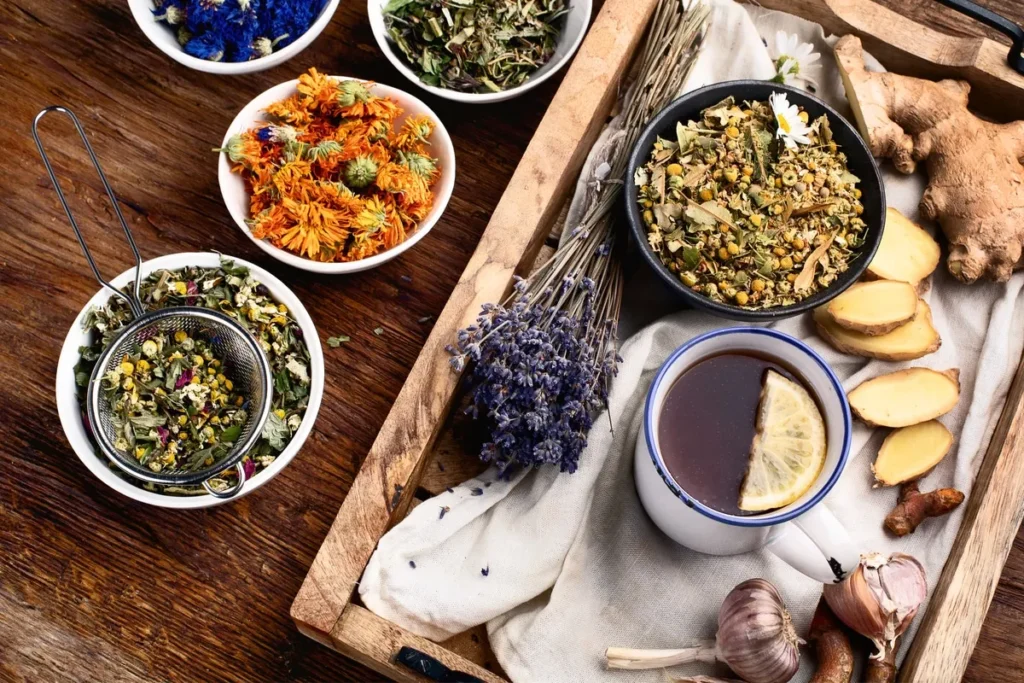
Chronic inflammation is a big health problem. It’s linked to heart disease, diabetes, and arthritis. Some anti-inflammatory herbs and spices have special compounds. These can help ease pain and cut down inflammation.
Turmeric and ginger are just a few kitchen items that fight inflammation. They’re backed by science. Adding these anti-inflammatory spices to your meals can help manage chronic pain. It also supports a healthier life.
Key Takeaways
Discover the potent anti-inflammatory herbs that can help alleviate pain and reduce inflammation.
Learn how to incorporate anti-inflammatory spices into your daily meals for overall wellness.
Explore the natural and effective way to support your body’s defenses against chronic inflammation.
Understand the link between chronic inflammation and various diseases.
Find out how to promote a healthier lifestyle with natural remedies.
Understanding Chronic Inflammation and Its Impact
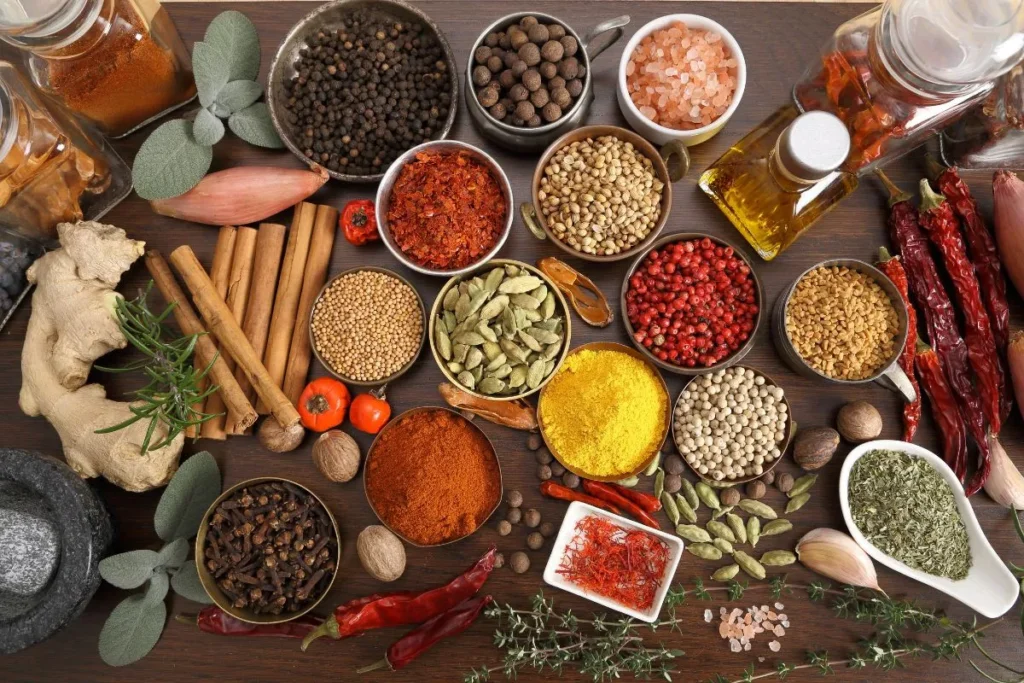
Inflammation is a natural response but can be harmful if it lasts too long. Chronic inflammation can cause many health problems, like arthritis and heart disease. It’s important to understand how inflammation is linked to disease to prevent and treat it.
The Link Between Inflammation and Disease
Studies show chronic inflammation is linked to many diseases. Sometimes, the body’s response to injury or infection doesn’t stop. This can lead to conditions such as rheumatoid arthritis, diabetes, and heart disease.
Turmeric, with its curcumin, has been studied over 10,000 times. It shows great promise in fighting inflammation. A study found that curcumin has anti-inflammatory, antioxidant, and anti-cancer properties.
How Natural Compounds Target Inflammatory Pathways
Natural compounds in herbs and spices can fight inflammation. For example, ginger has gingerol, which blocks inflammation and helps with joint pain and stiffness.
Exploring the science behind inflammation and natural compounds can lead to a healthier life. Adding anti-inflammatory herbs to our daily routine is a powerful step towards this goal.
Top Herbs for Inflammation and Pain Management
Nature has many solutions for fighting inflammation, with herbs leading the way. Adding these natural remedies to your daily life can cut down on the need for painkillers. It also helps you fight chronic inflammation more effectively.
Here are some herbs known for their anti-inflammatory effects and pain relief. They are great for helping you live a healthier, more balanced life.
Turmeric
Turmeric has curcumin, a compound that fights inflammation. It has been shown to reduce joint pain and improve mobility. This makes turmeric a strong ally in the fight against inflammation.
You can use turmeric as a spice, take it as a supplement, or apply it topically. It offers many ways to benefit from its anti-inflammatory properties.
Ginger
Ginger has been used for centuries for its anti-inflammatory effects. It helps with joint pain and stiffness. Ginger’s active compounds, like gingerol, reduce inflammation and aid in healing.
Adding ginger to your diet is easy. You can make teas, add it to meals, or take supplements. It’s a natural way to manage pain and inflammation.
Cayenne Pepper
Cayenne pepper contains capsaicin, which blocks pain receptors. This makes it a great natural pain reliever for inflammation-related pain.
You can use cayenne pepper in cooking for flavor and heat. Or, apply it topically in creams to target pain areas directly.
Rosemary
Rosemary is full of rosmarinic acid, which fights inflammation. It also improves cognitive function. This makes rosemary a valuable herb for overall health.
Rosemary is versatile. You can use it in cooking, make teas, or use it as an essential oil in aromatherapy. It offers many ways to manage inflammation and boost well-being.
Exploring these natural herbs and adding them to your lifestyle can help you manage inflammation and pain better. It can lead to a more comfortable and vibrant life.
Conclusion: Practical Ways to Incorporate Anti-inflammatory Herbs Daily
Adding anti-inflammatory herbs to your daily routine is easy and beneficial. Use turmeric and ginger in your cooking to get their anti-inflammatory benefits. This helps support your body’s health.
Herbs like rosemary and cayenne pepper are great for cooking. Add rosemary to roasted veggies or cayenne to soups for flavor. These herbs make your meals tasty and help fight inflammation and pain.
Changing your cooking habits to include these herbs is a good start. They offer natural ways to reduce pain and inflammation. This way, you can live a life free from chronic pain and inflammation.
FAQ
What are some common anti-inflammatory herbs and spices?
Common anti-inflammatory herbs and spices include turmeric, ginger, cayenne pepper, and rosemary. These natural ingredients have been used for centuries to support health and help reduce inflammation in the body.
How do anti-inflammatory herbs and spices work to reduce inflammation?
Anti-inflammatory herbs and spices contain compounds that help fight inflammation by reducing swelling, easing discomfort, and supporting the body’s natural healing response. Regularly including them in your diet can promote better overall health.
What are some ways to incorporate anti-inflammatory herbs into my daily routine?
It’s easy to add these herbs and spices into your daily meals. You can mix turmeric into oatmeal or warm milk, add ginger to soups or stir-fries, or season your dishes with rosemary to enjoy their benefits.
Can anti-inflammatory herbs and spices be used in conjunction with traditional pain relief medications?
Yes, these herbs and spices can be used alongside traditional pain relief medications. However, it is important to consult a healthcare professional before making any changes to your treatment plan, especially if you take prescription medications.
Are there any anti-inflammatory herbs that are particularly effective for arthritis pain?
Turmeric and ginger are especially helpful for arthritis pain. They are known to reduce inflammation and provide natural relief from stiffness and joint discomfort.
How long does it take to see the benefits of using anti-inflammatory herbs and spices?
The time it takes to experience benefits varies from person to person and depends on the herb being used. Many individuals notice improvement in swelling and discomfort within a few days to a few weeks of consistent use.
Can I use anti-inflammatory herbs and spices if I have a sensitive stomach?
Yes, but with caution. Ginger is generally gentle and well-tolerated, whereas cayenne pepper may irritate sensitive stomachs. Starting with small amounts can help you determine what works best for you.
Are there any other health benefits to using anti-inflammatory herbs and spices beyond pain relief?
Yes, many anti-inflammatory herbs and spices offer additional health benefits. They can improve digestion, strengthen the immune system, support heart health, and help reduce stress. Their wide range of benefits makes them valuable additions to a healthy lifestyle.
References
Herbs For Inflammation: Secret Spices For Relief
https://pmc.ncbi.nlm.nih.gov/articles/PMC5871277/