Heroin addiction is a big problem in the US, affecting hundreds of thousands. In 2023, about 587,000 people aged 12 or older said they had a heroin use disorder.
Recovery is possible with the right treatment. Solutions include medication, behavioral therapy, and detox programs. GoldCity Center focuses on each patient, using the latest medical methods to help.
Knowing about heroin treatment options and the need for proven methods is key. It’s the first step towards getting better.
Key Takeaways
Heroin addiction treatment is a critical public health intervention.
Medication-assisted therapy and behavioral interventions are effective treatment options.
GoldCity Center offers a patient-centered approach to heroin treatment.
Comprehensive detoxification programs are available for those struggling with heroin use disorder.
Evidence-based solutions deliver real results in recovery.
Understanding Heroin Addiction and Withdrawal

Heroin addiction is a serious issue, affecting about 587,000 people in the U.S. as of 2023. It’s a complex problem that needs a deep understanding of its causes, symptoms, and how to treat it.
The Science of Heroin Dependency
Heroin dependency happens when the body gets used to heroin. This leads to physical and mental dependence. The drug works by making the brain release happy chemicals like dopamine.
But over time, the brain needs more heroin to feel the same happiness. This is because it gets less responsive to dopamine.
Key factors contributing to heroin dependency include:
Genetic predisposition
Environmental factors
Mental health conditions
Social and peer influences
Recognizing When It’s Time to Seek Help
It’s important to know when someone needs help for heroin addiction. Look for signs like:
Needing more heroin to feel the same effect
Feeling sick when they can’t use heroin
Ignoring important tasks and activities
Using heroin even when it causes problems
Doctors use tests to diagnose addiction. They might include a psychiatrist, psychologist, or counselor. Medicines like methadone and buprenorphine help treat addiction.
Getting help is the first step to recovery. With the right treatment, people can beat heroin addiction and live a better life.
Effective Heroin Addiction Treatment Approaches
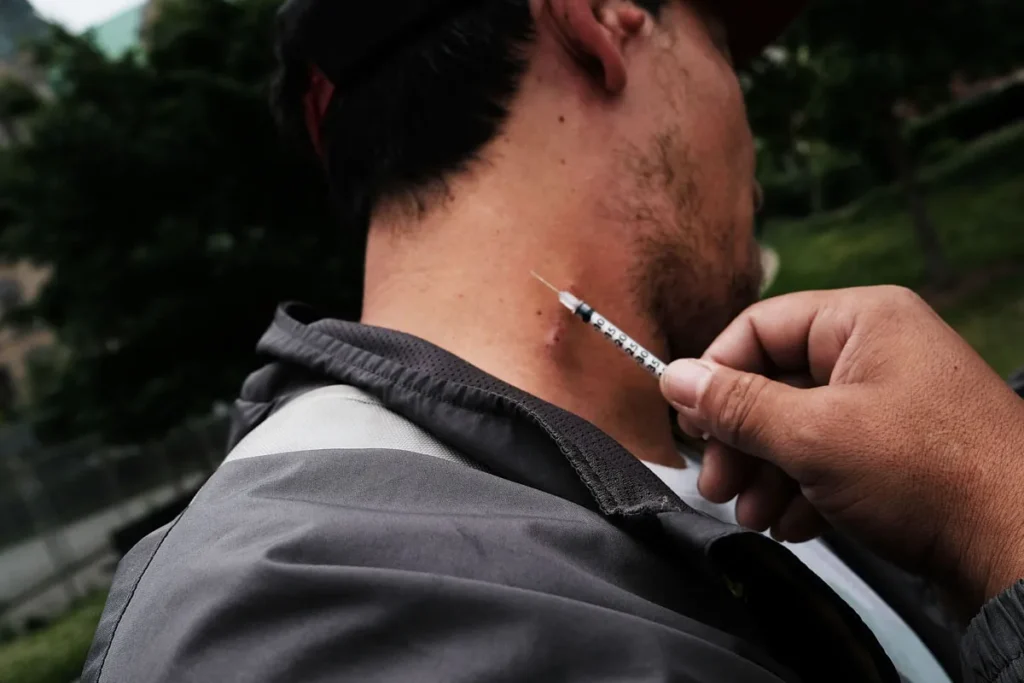
Heroin addiction treatment has changed a lot. Now, we have options like Medication-Assisted Treatment (MAT) and inpatient programs. Every year, about 372,000 people get inpatient treatment, and 832,000 get outpatient treatment. This shows that there’s no single way to treat everyone.
Medical Detoxification Process
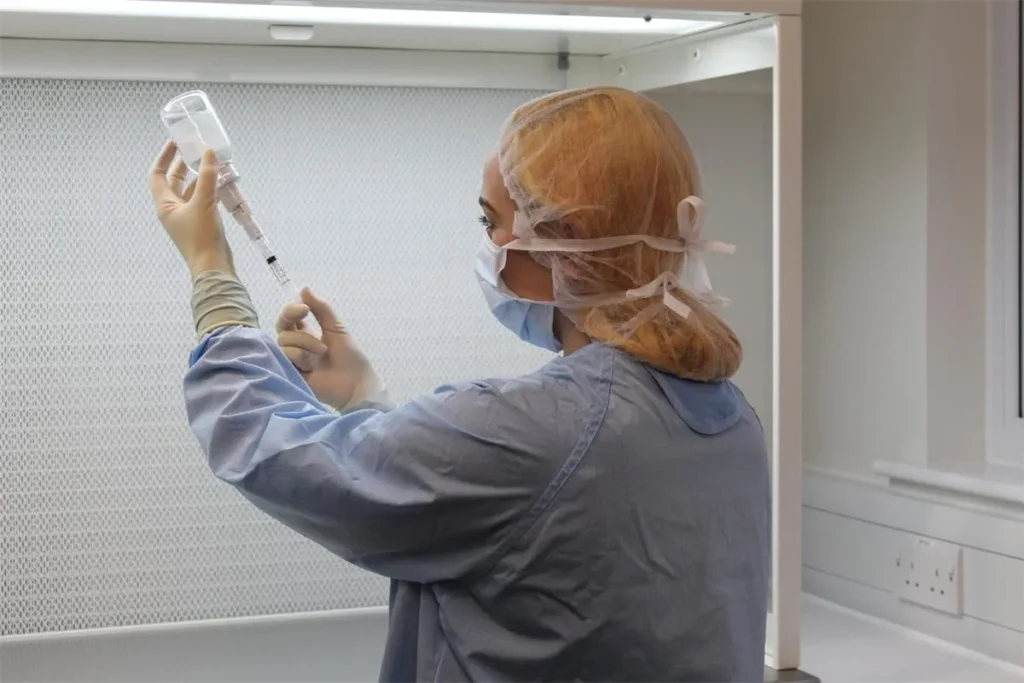
The first step in treating heroin addiction is medical detox. It helps manage withdrawal symptoms when someone stops using heroin. This step is key to getting ready for more treatment.
Key aspects of medical detoxification include:
Monitoring and managing withdrawal symptoms
Using medications to ease withdrawal
Providing a safe environment for the detox process
Medication-Assisted Treatment (MAT) Options
MAT combines medicines like buprenorphine or methadone with counseling and therapy. Studies show it can help patients live longer and use fewer illegal drugs. This method works well because it tackles both the physical and mental sides of addiction.
Benefits of MAT include:
Reduced risk of overdose
Improved retention in treatment programs
Decreased illicit drug use
Inpatient vs. Outpatient Programs
Choosing between inpatient and outpatient treatment depends on the person’s needs. Inpatient programs offer a structured setting for those with severe addiction. Outpatient programs are more flexible, allowing people to keep up with daily life.
The best treatment plan is one that fits the person’s needs. It should include medical detox, MAT, and either inpatient or outpatient care as needed.
Building a Sustainable Recovery Plan
Recovering from heroin addiction means creating a plan that lasts. This plan should cover physical health, mental well-being, and social life. It’s all about making a big change for the better.
Developing a Strong Support Network
Having a strong support network is key for those fighting heroin addiction. This network can include family, friends, support groups, and doctors. Behavior therapy helps people deal with cravings and avoid going back to drugs.
Self-help groups are also very important. They offer a sense of belonging and understanding. This can really help people stay on track with their recovery. Sharing stories with others who get it can be very helpful.
Addressing Co-occurring Mental Health Conditions
Many people with heroin addiction also have mental health issues like depression or anxiety. It’s important to tackle these problems to recover fully. Medication-Assisted Treatment (MAT) helps manage withdrawal and cravings, and also mental health.
Therapies that focus on both addiction and mental health are best. This way, people can get better in all areas. It helps them stay sober for longer.
Long-term Recovery Strategies and Success Rates
Staying sober long-term takes hard work and dedication. Medication-Assisted Treatment (MAT) can help up to 50% of people stay clean or use less.
By mixing different treatments and making them fit each person’s needs, recovery programs can really help. This way, more people can stay sober for good.
Conclusion
Recovering from heroin addiction is tough, but it’s possible with the right help. Recent numbers show a big drop in heroin overdose deaths. This is thanks to better health care efforts.
Getting heroin addiction help is the first step to recovery. People struggling with heroin can talk to a doctor or counselor. They can help find the best heroin treatment plans.
A good heroin recovery plan includes detox, medicine, and counseling. Knowing about these treatments and having a strong support group helps. This way, people can beat heroin addiction and stay sober for good.
FAQ
What is heroin addiction treatment?
Heroin addiction treatment is a mix of medical, behavioral, and social help. It aims to help people overcome heroin use disorder. This includes medication, therapy, and support groups for lasting recovery.
How does medication-assisted treatment (MAT) work for heroin addiction?
MAT uses medicines like methadone or buprenorphine to manage withdrawal and cravings. These drugs help people stabilize and start their recovery journey.
What are the differences between inpatient and outpatient heroin addiction treatment programs?
Inpatient programs offer 24/7 care in a place where you live for a while. Outpatient programs let you get treatment at home, fitting it into your daily life.
How can I develop a strong support network for heroin recovery?
To build a support network, connect with family, friends, and groups like Narcotics Anonymous. Counseling or therapy can also offer a sense of community and help you stay on track.
What role do co-occurring mental health conditions play in heroin addiction treatment?
Mental health issues like depression can lead to heroin use. Good treatment tackles both addiction and mental health together, using therapy and medicine.
What are the success rates for heroin addiction treatment?
Success rates vary based on treatment type, individual needs, and support. Studies show that a mix of medicine, therapy, and support can greatly reduce heroin use and improve recovery chances.
How can I access heroin addiction treatment resources?
You can find treatment by contacting local health groups, using online locators, or asking healthcare providers for help. Many places offer assessments to find the right treatment for you.
What is the role of behavioral therapy in heroin addiction treatment?
Behavioral therapy, like cognitive-behavioral therapy (CBT), helps change negative thoughts and behaviors. It teaches coping skills and helps manage cravings and triggers.
Can heroin addiction be treated with natural or alternative therapies?
Some people try alternative therapies like acupuncture. But, the best treatments for heroin addiction are medicine and therapy.
How long does heroin detoxification typically take?
Detox time varies based on addiction severity and health. The first withdrawal phase usually lasts 5-7 days, but some symptoms can last weeks.
What is the importance of long-term recovery strategies in heroin addiction treatment?
Long-term recovery plans, like ongoing therapy and support groups, help keep sobriety. They lead to a fulfilling life in recovery.
References
Centers for Disease Control and Prevention. Evidence-Based Medical Insight. Retrieved from https://www.cdc.gov/overdose-prevention/treatment/index.html