

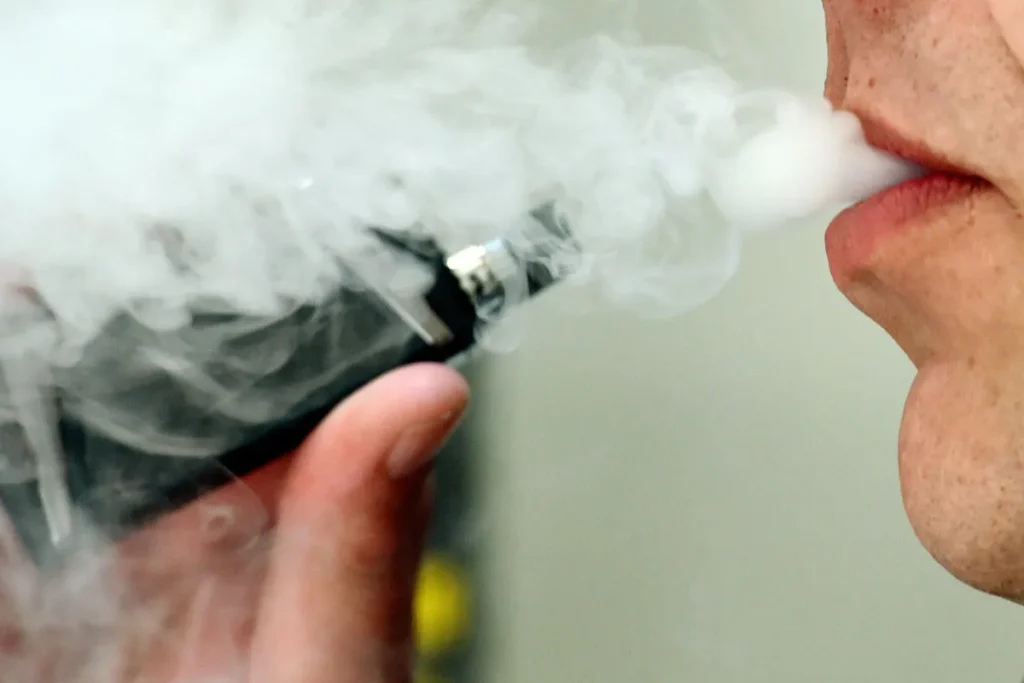
Quitting vaping is a tough journey that needs determination, the right knowledge, and support. A Truth Initiative survey found that 67% of young adults ages 18-24 want to quit vaping in the new year. This shows a growing wish to beat this habit.
Knowing the quit vaping timeline and the challenges can help a lot. The first week can be tough with withdrawal symptoms. But, most people start feeling better after 10 days.
With the right strategy and support, people can tackle both the physical and mental sides of quitting vaping. GoldCity Center uses a patient-centered approach. It combines medical treatment with caring support to help people live vape-free.
Key Takeaways
Quitting vaping presents both physical and psychological challenges.
Most withdrawal symptoms subside within 10 days of quitting.
A patient-centered approach can significantly aid in the quitting process.
Evidence-based medical treatment and compassionate care are key.
Quitting vaping offers both short- and long-term health benefits.
Understanding the Challenges of Quitting Vaping

Quitting vaping is tough, but knowing why makes it easier. Vaping, with its nicotine, creates both physical and mental dependence. This makes stopping hard.
Physical vs. Psychological Dependence
Nicotine, found in most vaping products, changes brain chemistry. This leads to physical dependence. When nicotine is gone, withdrawal symptoms appear.
Psychological dependence comes from vaping’s emotional and social ties. It’s about feeling relaxed or bonding with others.
What Makes Quitting Vaping Difficult
The first week without vaping is the hardest. The body misses nicotine. Symptoms like cravings and restlessness are common.
These symptoms are intense at first. Having a plan to deal with them is key.
Quitting vaping is hard because of nicotine addiction and vaping’s role in daily life. Knowing this helps find ways to overcome addiction.
Understanding vaping addiction’s physical and mental sides helps prepare for quitting. This knowledge leads to a better plan to beat addiction.
How Long Does It Take to Quit Vaping: The Complete Timeline

Quitting vaping is tough, but knowing the timeline helps. It’s a journey with physical and mental challenges. The Centers for Disease Control and Prevention (CDC) says having a plan and support is key.
The First 24 Hours
The first 24 hours are the hardest. Symptoms like anxiety and cravings for nicotine start soon after. Stay hydrated and find ways to distract yourself from cravings.
Days 2-3: The Hardest Phase
Days 2-3 are the toughest. Symptoms peak, making cravings hard to handle. The EX Program offers quit plans and support to get through this.
Days 4-7: Initial Improvement
By days 4-7, you start to feel better. Symptoms lessen, and cravings weaken. This is a key time to build new habits.
Weeks 2-4: Gradual Recovery
Weeks 2-4 see more recovery. Cravings ease, and confidence grows. Focus on a healthy lifestyle and avoiding triggers.
Quitting vaping takes patience and the right support. Knowing the timeline helps prepare for challenges. Stay committed to a vape-free life.
Effective Strategies to Manage Withdrawal Symptoms
Quitting vaping is tough, but managing withdrawal symptoms is key. It’s important for a vape-free life.
Nicotine Replacement Therapy Options
Nicotine Replacement Therapy (NRT) helps with withdrawal symptoms. The CDC recommends using products like patches, gum, or lozenges. These can ease the discomfort of quitting vaping.
NRT products come in various forms. Patches release nicotine all day. Gum or lozenges help with sudden cravings.
Building a Strong Support System
A strong support system is essential. About 70 percent of adult smokers want to quit. Those with support do better.
Having someone to talk to helps a lot. Support groups offer encouragement and advice. They’re online or in-person.
Lifestyle Changes That Reduce Cravings
Changing your lifestyle can help with cravings. Exercise, meditation, and a healthy diet reduce symptoms.
Engage in regular physical activity to distract yourself from cravings.
Practice stress-reducing techniques to manage anxiety.
Eat a balanced diet to maintain your overall health.
Coping With Psychological Triggers
Dealing with psychological triggers is important. Know what situations or emotions make you want to vape. Then, find ways to avoid or manage them.
Developing a coping plan means understanding your triggers. Have a plan for dealing with them. This could be avoiding certain situations or using other coping methods.
Conclusion: Embracing a Vape-Free Future
Quitting vaping is a journey to a healthier life. It’s about overcoming nicotine addiction and moving towards a vape-free future. This path leads to a better, more vibrant life.
Quitting vaping brings many benefits. You’ll see improvements in your mental and physical health. You’ll also feel less stressed and anxious, and save money too.
Starting a vape-free life is a big step. It needs commitment and support. Using nicotine replacement therapy, building a support network, and making lifestyle changes can help. These steps can make quitting vaping easier and lead to a brighter future.
Keep going on your journey to a vape-free life. The benefits of quitting vaping are real and will greatly improve your well-being. Stay committed, and you’ll find happiness and health in your future.
FAQ
Is quitting vaping hard?
Yes, quitting vaping can be tough because of nicotine’s hold on you. But, with the right help and plan, you can do it.
How long does it take to get over vaping?
Getting over vaping takes different times for everyone. But, most feel better in a few weeks. Symptoms usually peak in the first few days and then lessen over weeks.
What day is the hardest when quitting vaping?
Days 2-3 are usually the toughest when you stop vaping. This is because of strong nicotine withdrawal symptoms.
Is it hard to quit vaping?
Quitting vaping is tough, but it’s doable. Knowing the challenges and having a good plan helps a lot.
How long after quitting vaping do you feel better?
You’ll likely start feeling better in a few weeks after quitting. The exact time can vary, but you’ll notice improvements in 2-4 weeks.
How hard is it to stop vaping?
Stopping vaping is hard, but not impossible. The right mindset and strategies can help you succeed.
What are the most effective strategies for quitting vaping?
Good strategies include using nicotine replacement therapy, having a strong support system, making lifestyle changes, and dealing with emotional triggers.
How long does quitting vaping take?
Quitting vaping takes different times for everyone. But, with effort, most can overcome it in weeks to months.
When does quitting vaping get easier?
Quitting vaping gets easier after the first few weeks. This is when your body adjusts to not having nicotine and symptoms lessen.
Why is it so hard to quit vaping?
Quitting vaping is hard because of nicotine’s physical and mental grip. It’s also a habit. Knowing this helps you make a better quitting plan.
References
National Center for Biotechnology Information. Evidence-Based Medical Insight. Retrieved from https://pmc.ncbi.nlm.nih.gov/articles/PMC7171279/


