


Knowing how fast alcohol is processed by the body is key for those who drink. The liver is the main part that breaks down alcohol. It does this at a steady rate.
The body can handle about one standard drink per hour. This means your blood alcohol level (BAC) goes down by 0.015 to 0.020 per hour. Many things can change how fast this happens, like your size, what you’re made of, and the type of alcohol you drink.
Key Takeaways
The liver metabolizes alcohol at a fixed rate.
On average, one standard drink is processed per hour.
BAC reduces by about 0.015 to 0.020 per hour.
Factors like body size and composition affect alcohol metabolism.
Understanding alcohol metabolism helps in making informed decisions.
Understanding Alcohol Metabolism
It’s important to know how your body breaks down alcohol. This process involves the liver enzyme alcohol dehydrogenase. It turns ethanol into acetaldehyde, then into acetate, and eventually into water and carbon dioxide.
How Your Body Processes Alcohol
The body breaks down alcohol at a steady rate. On average, it can handle one standard drink per hour. This rate can change based on liver health and metabolism.
When you drink alcohol, it gets absorbed into your blood. It then goes to the liver for breakdown. The liver’s efficiency can be affected by genetic factors.
The Role of the Liver in Alcohol Breakdown
The liver is key in alcohol metabolism. It turns ethanol into acetaldehyde, a harmful substance. The liver’s health greatly affects how fast alcohol is broken down.
A healthy liver breaks down alcohol well. But liver damage can slow this process. People with liver issues may feel alcohol’s effects longer.
How Long Till Alcohol Is Out of Your System
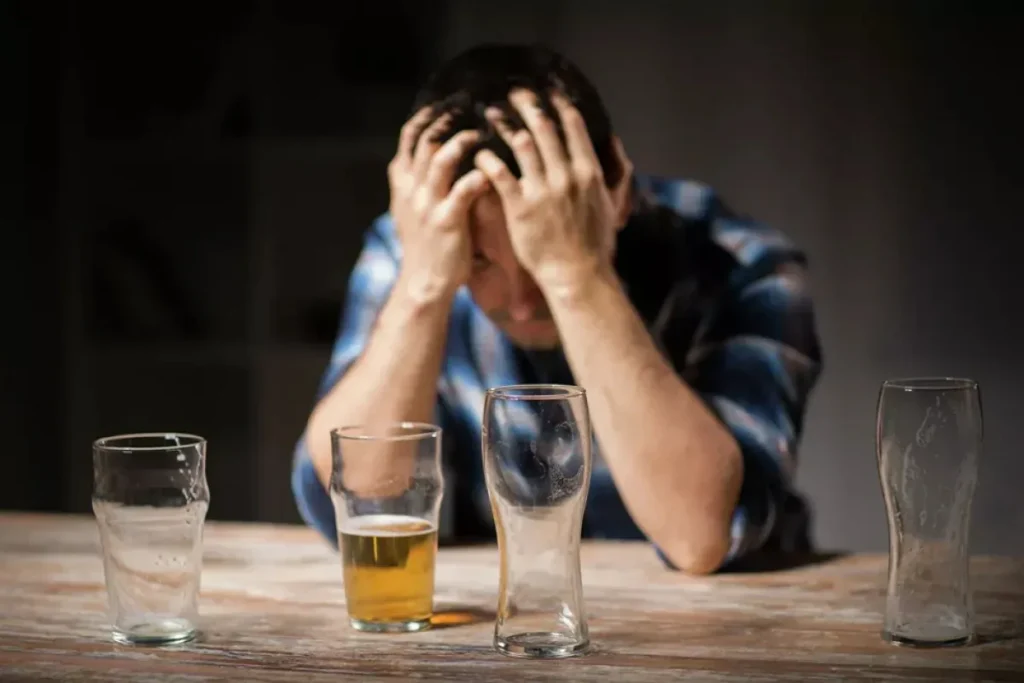
The time alcohol stays in your system changes a lot. It depends on the test used. Knowing this is key for those facing legal, work, or health tests.
Detection Windows for Different Testing Methods
Breath tests can spot alcohol in breath for 4 to 24 hours. Urine tests can find alcohol in urine for up to 5 days. This makes urine tests last longer.
Blood tests can find alcohol in blood for up to 12 hours. Hair tests can show alcohol use for up to 90 days. This is the longest time among common tests.
It’s important to know how long alcohol stays in your system. This knowledge is useful for drug tests or just keeping track of your drinking. Knowing the detection times helps you make better choices.
Factors That Affect Alcohol Elimination

Many things affect how long alcohol stays in your body. These can be divided into biological and external factors. Both types play a big role in how fast alcohol leaves your system.
Biological Factors
Age, gender, and body type greatly influence alcohol processing. For example, women generally have a higher Blood Alcohol Concentration (BAC) than men after drinking the same amount. This is because of differences in body fat and water content.
Age: Older people may take longer to get rid of alcohol because their metabolism slows down.
Gender: Men and women process alcohol differently because of their body types.
Body Composition: People with more body fat may take longer to clear alcohol from their system.
Genetics also play a big part. Some people’s genes can affect how fast they metabolize alcohol.
External Factors
Things like what you eat, your liver health, and how hydrated you are also matter. These external factors can greatly affect how fast alcohol is removed from your body.
Food Intake: Eating a meal, rich in nutrients, before or while drinking can slow alcohol absorption.
Liver Health: A healthy liver can break down alcohol faster. Liver problems can slow this process down.
Hydration: Drinking water can help your body process alcohol better, but it doesn’t directly lower BAC.
Knowing about these factors can help you guess how long alcohol will stay in your system. This is useful whether you’re worried about how long does alcohol stay in system for drug test or just curious about how long does 6 beers stay in your system.
Methods to Potentially Speed Up Alcohol Clearance
The body processes alcohol at a fixed rate. Yet, there are ways to help it clear out faster. Knowing these methods can help you feel better and get back to normal sooner.
Hydration Strategies
Drinking water is key to supporting your body’s natural processes. It helps remove toxins and keeps your body working right. Try to drink at least eight glasses of water a day to stay hydrated.
Food and Nutrition Approaches
Eating a balanced diet is important for alcohol metabolism. Foods rich in antioxidants, like fruits and veggies, support the liver. Also, lean proteins and whole grains are good for you.
Physical Activity Considerations
Moderate physical activity can boost your health and recovery. Walking or yoga are good choices. But, avoid hard exercise to prevent dehydration.
Rest and Recovery
Rest is essential for your body to recover from alcohol. Try for 7-8 hours of sleep each night. A quiet sleep environment and avoiding caffeine before bed can also help.
Using these strategies can help your body clear alcohol faster. While your body’s alcohol rate doesn’t change, these methods can improve your overall health and recovery.
Conclusion
Knowing how long alcohol stays in your system is key to making smart choices. The time it takes for alcohol to be detected changes a lot. It can be just a few hours for breath tests or days or months for urine and hair tests.
Many things affect how long alcohol stays in your body. This includes your health and lifestyle choices. By understanding these, you can control your drinking better and stay safe.
Drinking water, eating well, and staying active can help your body get rid of alcohol faster. This way, you can feel better and make healthier choices. Being aware of how alcohol affects you is the first step to a healthier life.
FAQ
How long does it take for alcohol to leave your system?
The body can process one standard drink per hour. This means it can remove 0.015 to 0.020 blood alcohol concentration (BAC) per hour. But, how long alcohol stays in your system depends on the test used.
How long is alcohol detectable in your system?
The time alcohol is detectable changes with the test type. Breath tests can find alcohol for 4 to 24 hours. Urine tests can detect it for up to 5 days. Blood tests can find it for up to 12 hours. Hair tests can detect it for up to 90 days.
What factors influence how long alcohol stays in your system?
Several things affect how long alcohol stays in your system. These include your age, gender, and body type. Food intake and liver health also play a role.
How can I support my body in eliminating alcohol?
Drinking plenty of water, eating a balanced diet, and getting enough sleep help. Also, doing some exercise can support your body’s natural alcohol removal.
Does food intake affect how long alcohol stays in your system?
Yes, what you eat can affect how fast you process alcohol. Eating foods rich in nutrients can help your body break it down.
How long does it take for 6 beers to leave your system?
It takes about 6 hours to process 6 beers, assuming one drink per hour. But, this time can vary based on individual factors.
Can I speed up the process of getting alcohol out of my system?
While the body metabolizes alcohol at a constant rate, you can support this process. Drinking water, eating well, and resting can help.
How does liver health impact alcohol metabolism?
A healthy liver can process alcohol more efficiently. Liver problems can slow down this process.
How long does alcohol stay in your urine?
Urine tests can find alcohol for up to 5 days.
How long does alcohol stay in your bloodstream?
Blood tests can detect alcohol for up to 12 hours.
References
National Center for Biotechnology Information. Evidence-Based Medical Insight. Retrieved from https://pmc.ncbi.nlm.nih.gov/articles/PMC3484320/[2


