

Fentanyl is a strong synthetic opioid, about 50 times more potent than heroin. It’s used for severe pain. But, its high potency and overdose risk have made it a big part of the opioid crisis. Knowing how fentanyl affects the body is key for those using it, whether by prescription or not.
The long term effects of fentanyl show a scary reality for the body. Learn the vital facts and find amazing help for opioid addiction.
The devastating long-term effects of fentanyl can harm many parts of the body and overall health. Long-term use can cause serious health problems. These include a higher chance of fractures, chronic constipation, heart issues, weakened immune system, and hormonal imbalances.
Key Takeaways
Fentanyl is a highly potent synthetic opioid with significant risks.
Long-term fentanyl use can lead to multiple health complications.
Understanding fentanyl’s effects is key for safe use.
Prolonged use can cause heart and hormonal problems.
Severe health risks come with long-term fentanyl use.
What Is Fentanyl and How It Affects Your Body

Fentanyl is a strong synthetic opioid for severe pain. It’s more potent than natural opioids like morphine or heroin. It works by binding to opioid receptors in the brain and body.
Understanding This Powerful Synthetic Opioid
Fentanyl’s strength can have deep effects on the body. According to medical sources, fentanyl’s side effects depend on several factors. These include size, weight, health, and other drugs taken at the same time.
Short-term effects include drowsiness, confusion, nausea, constipation, small pupils, and slowed breathing. These happen because fentanyl changes how we feel pain and other body functions.
Short-Term Effects and How They Develop
Fentanyl affects people differently. This depends on size, weight, health, and if they’re used to it. The amount and strength of the drug also matter.
Common short-term effects include:
Drowsiness and confusion
Nausea and vomiting
Constipation
Small pupils
Slowed breathing
Knowing these effects helps use fentanyl safely. It helps avoid bad reactions.
5 Devastating Long Term Effects of Fentanyl
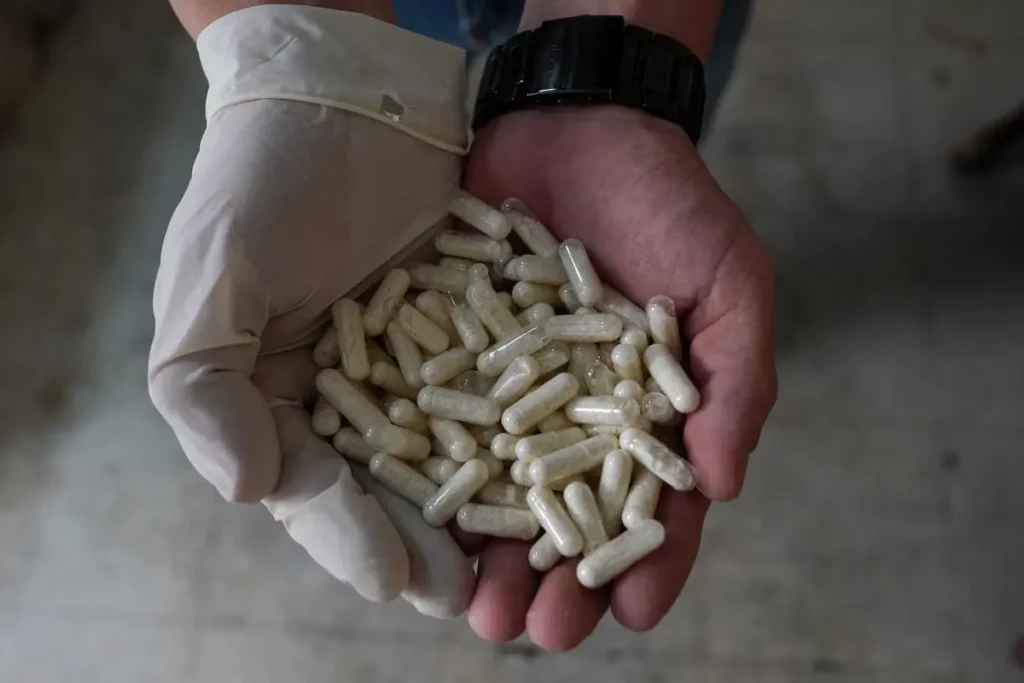
Using fentanyl for a long time can harm your body in many ways. It affects different parts of your body. Knowing these risks is key for those using fentanyl for a long time.
Gastrointestinal Damage and Chronic Constipation
Fentanyl can damage your stomach and intestines, causing long-term constipation. This can make life very hard to manage.
Fentanyl slows down your bowel movements, leading to constipation and other serious problems. Doctors say, “Opioid-induced constipation is a common side effect of opioid therapy. It can really affect a patient’s quality of life.”
Cardiovascular and Respiratory Deterioration
Fentanyl can also harm your heart and lungs. It raises the risk of heart attacks, heart failure, and breathing problems while sleeping. Long-term use can lead to serious breathing issues.
Immune System Suppression and Bone Fragility
Long-term fentanyl use weakens your immune system. This makes you more likely to get sick. It also makes your bones weaker, raising the risk of fractures, mainly in older people.
Hormonal and Reproductive System Disruption
Fentanyl can mess with your hormones and reproductive system. This can cause infertility, erectile dysfunction, and changes in your menstrual cycle. These problems can last a long time and sometimes can’t be fixed.
It’s important to know the long-term effects of fentanyl. This knowledge helps people make better choices about their treatment.
Conclusion: Breaking the Cycle of Fentanyl Dependence
Using fentanyl for a long time can make you need more of it to feel the same effects. This can lead to physical dependence in just weeks. It’s important to know how fentanyl affects us over time.
Medications for Opioid Use Disorder (MOUD) can help by stopping withdrawal symptoms and cravings. They don’t make you feel high. This makes them a good choice for treating opioid dependence.
Getting free from fentanyl dependence is hard but necessary. Studies show that using fentanyl too much can lead to addiction. For more on this, check out Frontiers in Pharmacology.
There are many ways to treat fentanyl dependence, including counseling and therapy. Getting professional help is key to recovery. Knowing your options can help you take charge of your health and break free from fentanyl’s hold.
FAQ
What are the short-term effects of fentanyl?
Fentanyl can make you feel drowsy and confused. It can also cause nausea and constipation. This happens because it affects opioid receptors in your brain and body.
What are the long-term effects of fentanyl on the body?
Using fentanyl for a long time can harm your health a lot. It can damage your stomach, heart, and lungs. It can also weaken your immune system and mess with your hormones. Plus, it can make your bones weaker and increase the risk of fractures.
How does fentanyl affect the gastrointestinal system?
Fentanyl can hurt your stomach and intestines. This can lead to chronic constipation. It can be very painful and hard to manage.
Can fentanyl use lead to cardiovascular problems?
Yes, fentanyl can harm your heart and lungs. It can increase your risk of heart attack and heart failure. It can also cause breathing problems while you sleep.
How does fentanyl impact the immune system?
Fentanyl can weaken your immune system. This makes you more likely to get sick. It can also make your bones weaker and increase the risk of fractures.
What are the effects of fentanyl on the hormonal and reproductive systems?
Fentanyl can mess with your hormones and reproductive system. It can cause infertility, erectile dysfunction, and changes in your menstrual cycle.
How can fentanyl dependence be treated?
Medications for Opioid Use Disorder (MOUD) can help treat fentanyl dependence. They prevent withdrawal symptoms and cravings without making you feel high. They work best when used with counseling and behavioral therapies.
What is the potency of fentanyl compared to other opioids?
Fentanyl is about 50 times stronger than heroin. This makes it very dangerous and requires careful use.
What are some common risks associated with long-term fentanyl use?
Long-term use of fentanyl can lead to many health problems. It can cause fractures, chronic constipation, heart issues, weakened immune system, and hormonal problems.
References
National Center for Biotechnology Information. Evidence-Based Medical Insight. Retrieved from https://pubmed.ncbi.nlm.nih.gov/18443637/