

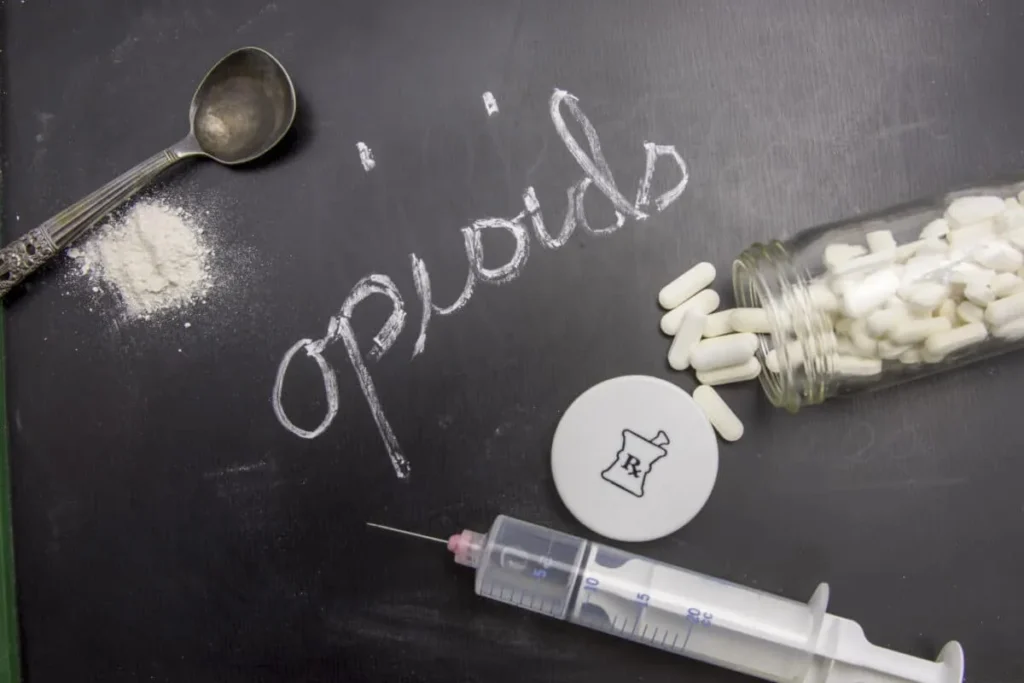
The United States is facing a serious problem with drug overdose deaths. In 2024, nearly 87,000 people lost their lives, with most deaths linked to synthetic opioids. While opioids can help with acute pain, they also carry long-term health risks.
Long term effects of opioids include dangerous health risks and dependency. Explore amazing ways to manage pain safely without harmful addiction.
Studies show that chronic opioid use can lead to serious health issues. These include heart problems, breathing difficulties, and a higher chance of addiction and overdose. It’s important for both patients and doctors to know these risks to make better choices for pain management.
Key Takeaways
Chronic opioid use can lead to cardiovascular complications and respiratory depression.
Opioid abuse is associated with an increased risk of addiction and overdose.
Long-term opioid therapy can result in severe pain (hyperalgesia) and sexual dysfunction.
Opioid use can compromise the immune system and lead to sleep disorders.
Understanding the risks of opioid use is key for making informed pain management decisions.
Understanding the Long Term Effects of Opioids on Vital Systems

Opioids can harm many parts of the body over time. It’s important to know the risks when using them for pain. This is true for long periods.
They can damage several key systems. This includes the heart, lungs, liver, and kidneys. These systems are at high risk from opioids.
Cardiovascular Damage: Heart Attack and Heart Failure Risks
Using opioids for a long time can harm the heart. It can lead to heart attacks and heart failure. Opioids can mess with blood pressure and heart rhythms.
Cardiovascular Risks Associated with Long-Term Opioid Use:
Respiratory Depression and Compromised Lung Function
Opioids slow down breathing. This can harm lung function over time. It raises the risk of lung infections and other breathing problems.
Respiratory Risks: The danger of slow breathing is higher with high doses of opioids. This is also true when mixed with substances like alcohol or benzodiazepines.
Liver and Kidney Deterioration
Opioids can damage the liver and kidneys over time. The body has trouble getting rid of toxins. This puts extra stress on these organs.
Liver and Kidney Risks: The danger of damage is higher when opioids are mixed with other harmful substances. This includes things that are bad for the liver and kidneys.
Neurological, Skeletal and Endocrine Consequences

Long-term opioid use can harm many parts of the body. This includes the brain, bones, and hormones. It shows that opioids’ effects go beyond just pain relief.
Brain Chemistry Alterations and Pleasure Response Disruption
Opioids change how the brain works. They mess with the natural way we feel pleasure. This can hurt our mental health and overall happiness.
Changes in Brain Chemistry: Using opioids for a long time can lower the body’s natural pain fighters. This makes us need opioids to feel good, which can lead to addiction.
Opioid-Induced Hyperalgesia: The Paradoxical Pain Response
Opioid-induced hyperalgesia (OIH) makes people feel more pain over time. This can make managing pain harder. It might seem like the pain is getting worse, but it’s actually a side effect.
The Complexity of OIH: OIH is caused by changes in how the body feels pain. It shows we need to watch how we treat pain and find other ways to manage it.
Endocrine Disorders and Hormonal Imbalances
Long-term opioid use can also mess with hormones. It can affect the body’s hormonal balance. This can lead to problems like low sex hormones, infertility, and weak bones.
Hypogonadism: A condition where sex hormones are made in lower amounts.
Osteoporosis: A condition that makes bones weak and more likely to break.
Increased Risk of Bone Fractures and Skeletal Damage
The bones can also be affected by long-term opioid use. Hormonal changes, like lower testosterone, and direct effects on bones can increase the risk of fractures.
Skeletal Health Concerns: People on long-term opioids should be checked for bone damage. They might need special care to keep their bones strong.
Conclusion: Balancing Pain Management with Long-Term Health
It’s key to know how opioids affect us over time to manage pain safely. The Centers for Disease Control and Prevention (CDC) and other groups say we should be careful with opioids. They also suggest looking into other ways to handle pain to avoid long-term problems.
Using opioids for a long time can harm our health. It can damage our heart and increase the chance of heart attacks. It might also raise blood pressure. Opioids can also harm our lungs, liver, and kidneys, and even change how our brain works.
When we think about using opioids, we need to think about both the good and the bad. Looking for other ways to manage pain can help keep us healthy in the long run. Knowing the risks of opioids helps us make better choices for our pain management.
FAQ
What are the long-term effects of opioid use on the cardiovascular system?
Long-term opioid use can raise the risk of heart attack and heart failure. It can also cause high blood pressure and irregular heart rhythms.
Can opioids cause respiratory depression, and what are the risks?
Yes, opioids can slow or stop breathing, a serious condition. This can harm the brain, cause oxygen deprivation, or even be fatal.
How do opioids affect the liver and kidneys?
Long-term opioid use can harm the liver and kidneys. These organs work harder to break down the drug, which can cause damage or worsen existing conditions.
What are the neurological consequences of long-term opioid use?
Long-term opioid use can change brain chemistry. It can disrupt the body’s pleasure response and make the body more sensitive to pain.
Can opioids cause endocrine disorders?
Yes, long-term opioid use can lead to hormonal imbalances. This can affect growth, metabolism, and reproductive processes.
Do opioids increase the risk of bone fractures?
Yes, long-term opioid use can increase the risk of bone fractures. This may be due to the drug’s effects on hormone regulation and bone density.
What are the risks associated with chronic opioid therapy?
Chronic opioid therapy carries many risks. These include cardiovascular problems, respiratory depression, liver and kidney damage, and effects on the brain, bones, and hormones.
Are there alternative pain management strategies to opioids?
Yes, there are other ways to manage pain. These include physical therapy, cognitive-behavioral therapy, and lifestyle changes. Non-opioid medications can also be effective and safer than opioids.
References
National Center for Biotechnology Information. Evidence-Based Medical Insight. Retrieved from https://pubmed.ncbi.nlm.nih.gov/19941279/[web:3


