

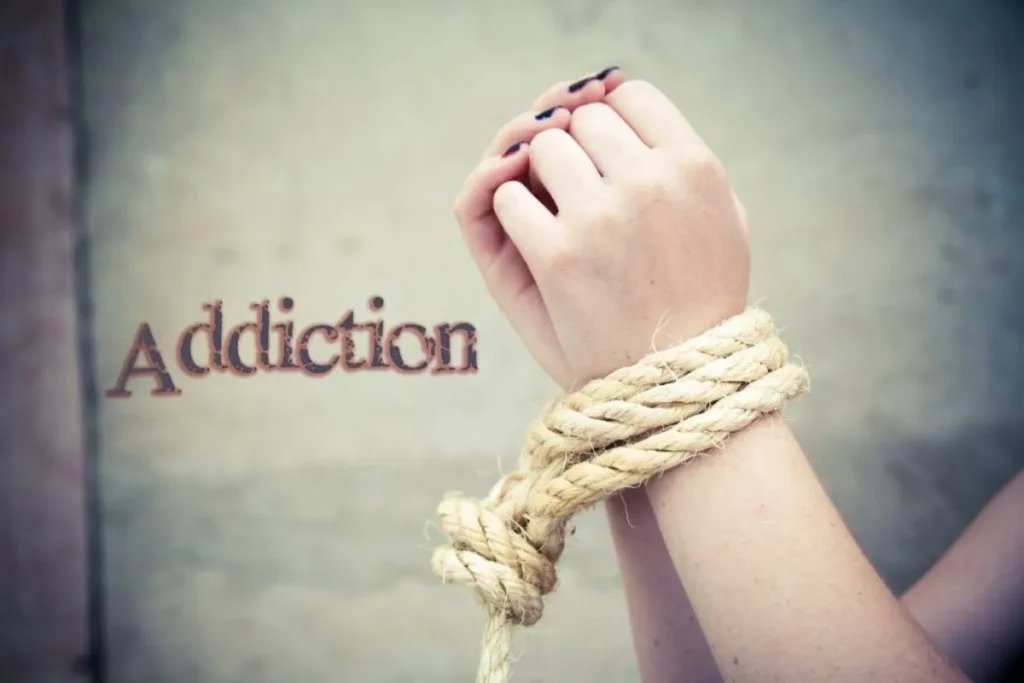
Do you feel lost without a romantic partner? Or do you get really anxious when things are up in the air? These feelings might point to something more. Love addiction is a real condition where you can’t stop thinking about love. It can really hurt your emotional and mental health.
Love addiction symptoms are often scary and hidden. Recognize these vital warning signs to start your amazing journey toward emotional healing.
It’s important to know what is love addiction. It makes you obsessed with finding love, leading to bad habits. Spotting the signs is the first step to getting your emotional life back on track and forming better relationships.
Key Takeaways
Love addiction is a behavioral condition affecting emotional and psychological well-being.
It involves obsessive-compulsive involvement in romantic relationships.
Recognizing the signs is key to emotional freedom.
Understanding love addiction helps in building healthier relationships.
It’s marked by fixations and compulsions towards love interests.
Understanding Love Addiction: When Romance Becomes Obsession

The line between love and obsession is often hard to see. This leads to love addiction. It happens when the thrill of falling in love becomes too much. People with love addiction get caught in a cycle of highs and lows.
What Is Love Addiction and How It Develops
Love addiction comes from many places, like brain chemistry or childhood trauma. It can also come from feeling bad about oneself or societal pressures. Experts say it’s not officially recognized in the Diagnostic Manual of Mental Health Disorders. This makes it hard to diagnose and treat.
Early experiences with caregivers shape our attachment style. Those with insecure attachment styles might seek love more. Societal norms and cultural views on love also play a role in love addiction.
The Prevalence of Love Addiction in America
Research shows love addiction affects 3 to 6% of adults. A detailed review of studies shows it impacts people from all walks of life.
These numbers show we need more research on love addiction. Understanding it better will help us find ways to prevent and treat it. This way, we can help people overcome love addiction.
Common Love Addiction Symptoms That Shouldn’t Be Ignored

When romance becomes all-consuming, it might be a sign of love addiction. This condition can deeply affect one’s mental health, relationships, and daily life.
Obsessive Thoughts and Preoccupation
One key sign of love addiction is obsessive thoughts about the partner or relationship. People might constantly think about their partner, neglecting other parts of their life.
Preoccupation can show up in many ways:
Constantly checking for messages or calls from the partner.
Spending too much time thinking about the partner or relationship.
Feeling a strong need to always be in touch with the partner.
Compulsive Relationship Behaviors
Compulsive behaviors are another sign of love addiction. These actions are taken to keep or strengthen the relationship, often harming one’s own well-being.
Examples include:
Excessive communication, like sending many texts or emails quickly.
Showing up unexpectedly at the partner’s workplace or home.
Making big sacrifices, like giving up hobbies or time with friends and family, for the relationship.
Emotional Instability and Fear of Abandonment
Love addiction often brings emotional instability and a deep fear of being left. This fear can cause clingy behavior, anxiety, and depression.
Signs include:
Feeling extreme anxiety or despair when the partner is not around.
Becoming too dependent on the partner for emotional support.
Experiencing intense mood swings due to the partner’s actions or lack of attention.
Recognizing Love Addiction in Yourself and Others
It’s hard to spot love addiction, but it’s key to healing. It’s when you feel too tied to someone, leading to bad habits. These habits harm your health.
Self-Assessment: Are You a Love Addict?
To see if you or someone else might be addicted, do a self-check. Ask yourself:
Do you often think about the other person a lot?
Have you given up your own needs for the relationship?
Do you feel anxious or sick when you’re not with them?
If you see yourself in these, you might be addicted. Cognitive-behavioral therapy can help. It makes you think more about your actions.
How Love Addiction Affects Your Mental Health
Love addiction hurts your mind, causing anxiety and depression. It makes you feel unstable, making it hard to keep good relationships.
The Impact on Daily Functioning and Relationships
Love addiction messes with your daily life and relationships. It can make you less sharp, hurting your work or school.
Also, love addicts find it hard to keep good relationships because they’re too tied to one person. Therapy, like online therapy, can help. It offers a safe place to work on getting better.
Knowing the signs of love addiction and getting help is the first step to a better life. By facing the issue and getting help, you can escape the addiction cycle.
Conclusion: Breaking Free from the Cycle of Love Addiction
To break free from love addiction, you need to understand its signs. It’s also important to move towards healthier relationships. Love addicts often find themselves trapped in obsessive thoughts and compulsive behaviors.
These behaviors can harm their mental health and daily life. Treatment options like cognitive-behavioral therapy and group therapy are available. Programs like the Love Addiction workshop offer a supportive space for recovery.
Recognizing the signs of love addiction is the first step towards healing. It’s key to know that you’re not alone and help is out there. With the right support, you can move past your addiction and find more fulfilling relationships.
Helping individuals take charge of their relationships is vital. By giving them the tools and support they need, we can help them break free. This way, they can embrace love and relationships in a healthier, more radiant way.
FAQ
What is love addiction?
Love addiction is when someone feels very dependent on a romantic partner. This can make their relationships unhealthy and unfulfilling.
What are the signs of love addiction?
Signs include obsessive thoughts and compulsive behaviors. People might also feel emotionally unstable and fear being left alone.
How does love addiction develop?
It can come from brain chemistry, childhood trauma, or attachment issues. These can lead to unhealthy ways of attaching to others.
Can love addicts have healthy relationships?
Yes, with the right support and therapy, love addicts can have healthy relationships. They need to work on their issues and change their attachment style.
What is love addiction therapy?
It’s a treatment that helps people understand and deal with their love addiction. It aims to improve their attachment style and overall well-being.
How does love addiction affect mental health?
It can lead to anxiety, depression, and emotional distress. People become too dependent on their partner for emotional support.
What are the symptoms of being a love addict?
Symptoms include being very preoccupied with the partner and showing compulsive behaviors. Emotional instability, like mood swings, is also common.
How can I recognize love addiction in myself?
Take a self-assessment to check for obsessive thinking, compulsive behaviors, and emotional instability. These can indicate love addiction.
What is the definition of love addiction?
It’s a pattern of behavior marked by intense emotional dependence on a partner. It includes obsessive thoughts, compulsive behaviors, and emotional dysregulation.
Can love addiction be treated?
Yes, it can be treated with therapy, support groups, and self-reflection. These help people develop healthier attachment styles and improve their well-being.
References
National Center for Biotechnology Information. Evidence-Based Medical Insight. Retrieved from https://pubmed.ncbi.nlm.nih.gov/9675972/


