

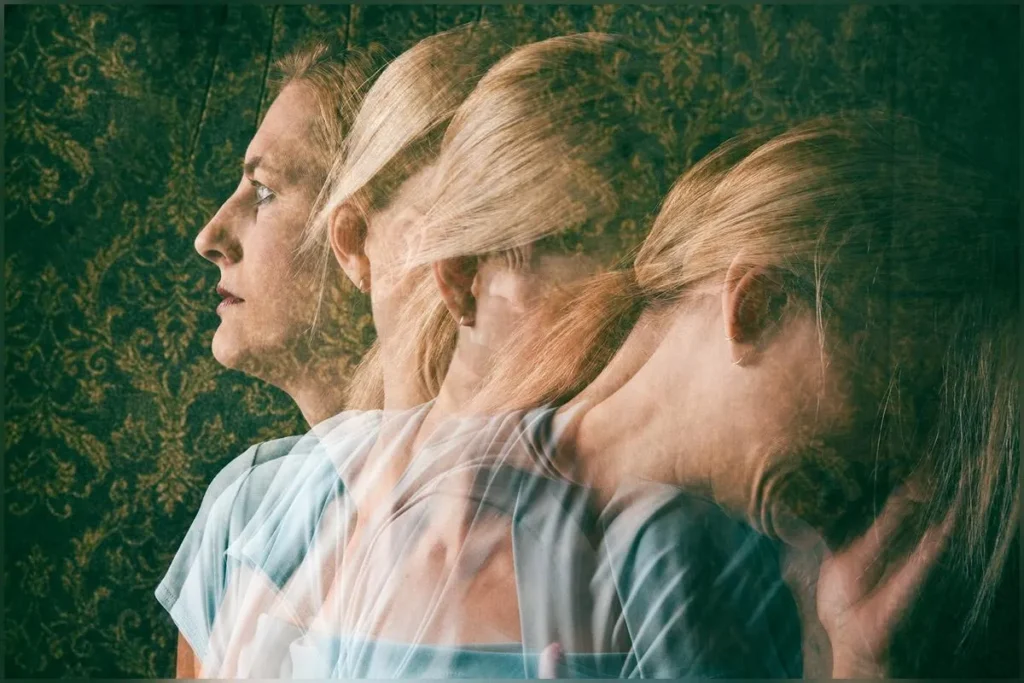
Bipolar disorder, also known as manic depression, is a serious mental health issue. It affects millions of people around the world. This condition is characterized by dramatic shifts in mood, energy, and activity levels that significantly impact daily functioning.
This condition causes serious shifts in mood, energy, thinking, and behavior. It ranges from the highs of bipolar disorder mania to the lows of depressive episodes. Understanding the signs and symptoms of bipolar disorder is key for effective management and treatment.
Recognizing these symptoms early can lead to timely intervention and support. This helps individuals achieve a better quality of life with the right care and treatment.
Key Takeaways
Understanding bipolar disorder is key for effective management.
Bipolar disorder involves extreme mood swings.
Early recognition of symptoms leads to timely intervention.
GoldCity Center provides compassionate, patient-centered care.
Internationally recognized expertise is available for treatment.
Understanding Bipolar Disorder and Manic Depression Characteristics

To understand bipolar disorder, we need to explore its traits, how common it is, and its effects on everyday life. This mental health issue is marked by extreme mood swings. These swings include feeling very high (mania or hypomania) and very low (depression).
What is Bipolar Disorder?
Bipolar disorder, once known as manic depression, is a mental health issue. It causes big mood swings. These swings can go from mania or hypomania (feeling very high) to depression (feeling very low).
This condition affects how you feel, your energy, and what you do. It makes everyday tasks hard. Because symptoms vary a lot, diagnosing and treating it can be tricky.
Global and U.S. Prevalence
Recent studies show that about 37 million people worldwide live with bipolar disorder. This is about 0.5 percent of the world’s population. In the United States, it’s estimated that 2.8 percent of the population has this condition.
Global prevalence: 0.5%
U.S. prevalence: 2.8%
Estimated global sufferers: 37 million
These numbers show why we need to raise awareness and find good treatments for this condition.
Impact on Daily Functioning
Bipolar disorder can make daily life very hard. It affects work, relationships, and daily tasks. Many people with bipolar disorder don’t get the right diagnosis or treatment. This leads to a lot of unnecessary suffering.
The condition can cause:
Disrupted sleep patterns
Changes in appetite
Difficulty concentrating
Social withdrawal
It’s important to understand how bipolar disorder affects daily life. By recognizing these challenges, we can offer better support and treatment. This way, we can create a more supportive and inclusive environment for those with bipolar disorder.
Types of Bipolar Disorder and Their Distinct Symptoms

Bipolar disorder comes in different forms, each with its own set of symptoms. These symptoms can greatly affect a person’s life. It’s important to know the differences to get the right diagnosis and treatment.
Bipolar Type I: Manic and Depressive Episodes
Bipolar I Disorder is marked by manic and depressive episodes. Manic episodes can be very severe, sometimes needing hospital care. They are known for high energy, little need for sleep, and impulsive actions.
Depressive episodes, on the other hand, bring sadness, hopelessness, and low energy. These episodes can make daily life very hard.
Bipolar Type II: Hypomanic and Depressive Episodes
Bipolar II Disorder is defined by at least one depressive and one hypomanic episode. Hypomanic episodes are less intense than manic ones but can impact daily life. They are marked by a high or irritable mood.
People with Bipolar II often face severe depressive episodes. Getting help is key to managing these symptoms.
It’s important to understand the differences between Bipolar I and II. While both involve mood swings, the severity and type of episodes vary. This affects how treatment should be approached.
Conclusion
Living with bipolar disorder can be tough, but there’s hope. If you wonder “am I bipolar” or think you might have signs, getting help is key. It’s the first step to understanding your situation.
Bipolar disorder is treatable. The right mix of medicine, therapy, and lifestyle changes can help manage symptoms. This way, people can live fulfilling lives. Treatment often includes mood-stabilizing meds, therapy to learn about triggers, and making healthy lifestyle choices.
If you’re showing symptoms or worried about your mental health, ask yourself “how do u know if you have bipolar disorder?” and see a professional. Early diagnosis and treatment can greatly improve your life. It helps you deal with bipolar disorder’s challenges.
The question “is bipolar disorder curable” is complex. But, with the right treatment, it’s manageable. Knowing what it’s like to have bipolar can help you cope better. It also helps you make informed choices about your care.
FAQ
What are the common symptoms of bipolar disorder?
Bipolar disorder causes big mood swings. You might feel very happy or very sad. You might also have lots of energy and not need much sleep.
How do I know if I have bipolar disorder?
If you swing between feeling very happy and very sad, or if you have lots of energy and don’t sleep much, you should see a doctor. They can help figure out what’s going on.
What is the difference between Bipolar I and Bipolar II disorder?
Bipolar I has full-blown manic episodes. Bipolar II has milder hypomanic episodes. Knowing the difference helps you get the right help and manage your mood better.
Is bipolar disorder curable?
Bipolar disorder is not curable, but it’s very treatable. The right mix of medicine, therapy, and lifestyle changes can help a lot. Getting help early makes a big difference.
What are the signs of a manic episode?
Manic episodes make you feel very happy or angry, full of energy, and you don’t need much sleep. You might also do things on impulse. Spotting these signs early helps a lot.
How does bipolar disorder affect daily life?
Bipolar disorder can mess up your daily life, relationships, and work. But, with the right treatment and support, you can manage your symptoms and live a good life.
Can I manage bipolar disorder without medication?
While medicine is often needed, therapy and lifestyle changes can also help. It’s important to work with a doctor to find the best treatment plan for you.
What are the symptoms of bipolar depression in females?
Bipolar depression in women can make you feel very sad, lose interest in things, and change your appetite or sleep. If these feelings last a long time or get worse, you should get help.
How can I get support for bipolar disorder?
Getting help from a mental health expert is key for diagnosis and treatment. Support groups and online resources can also offer valuable advice and connection
References
National Institutes of Health. Evidence-Based Medical Insight. Retrieved from https://www.nimh.nih.gov/health/topics/bipolar-disorder


