

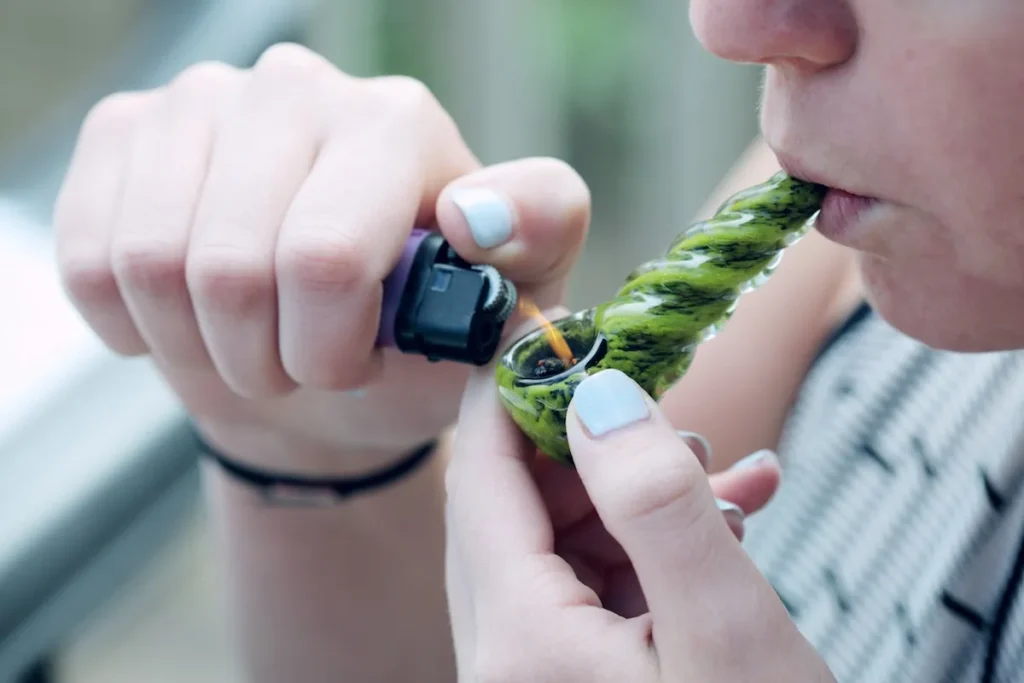
Cannabis addiction, also known as cannabis use disorder, is a big health issue worldwide. Many think marijuana is non-addictive, but about 30% of users become dependent.
The main active part, THC, messes with brain areas for memory, learning, and making decisions. This makes it hard to stop using. As more places legalize marijuana and products get stronger, knowing about cannabis addiction is key.
Key Takeaways
Cannabis use disorder affects a significant portion of marijuana users.
THC’s impact on the brain contributes to marijuana’s addictive nature.
Increasing potency and legalization are factors in rising cannabis dependency.
Understanding cannabis addiction is vital for effective treatment.
Evidence-based care is available for those struggling with cannabis addiction.
The Reality of Cannabis Addiction: Facts and Statistics

The talk about cannabis has changed. Now, it’s about its dangers and addiction risks. As more people use it, knowing the dangers is key.
Understanding Addiction Rates
Recent studies show that about 10% of people who start smoking cannabis will become addicted. This shows the dangers of cannabis, even more so for young users.
In 2024, 3 in 10 cannabis users develop a disorder. Those starting before 18 face even higher risks. This makes teaching about addiction very important.
Cannabis Use in America
In America, a lot of people use cannabis. 61.8 million used it in the past year. Almost 18 million use it daily or almost daily. This big increase worries many about addiction.
Higher Risks for Youth
Starting to use cannabis before 18 makes addiction more likely. People starting before 18 are 4 to 7 times more likely to become addicted. Young people are very vulnerable to cannabis’s addictive effects.
It’s vital to understand these numbers to fight cannabis addiction. Knowing the risks and who’s most affected helps us support those struggling with addiction.
Marijuana Use Disorder: Causes and Mechanisms

Marijuana’s addictive nature is tied to THC, the compound that changes your mind. Knowing how THC affects the brain helps us understand marijuana addiction.
The Role of THC in Addiction Development
THC, or tetrahydrocannabinol, is the main psychoactive part of cannabis. It makes the brain’s reward system release dopamine more than usual. This overstimulation of the reward system can change the brain for the long term, leading to addiction.
How Cannabis Affects Brain Regions and Function
Cannabis impacts brain areas like memory, attention, and decision-making. THC connects with cannabinoid receptors in the brain, changing how it works. Long-term THC use can alter brain circuits, making it hard to control cannabis use.
Daily or Near-Daily Use: Patterns Leading to Dependency
Using marijuana daily or almost daily increases the risk of dependency. The brain adapts to THC’s constant presence, leading to withdrawal when use stops. This can trap users in a cycle of addiction, as they use marijuana to avoid withdrawal.
The way you use marijuana, not just how much, is key to addiction. Knowing these patterns is vital for creating good prevention and treatment plans.
Recognizing and Addressing Cannabis Dependency
Spotting the signs of cannabis dependency is key to recovery. It’s a complex issue that affects people in different ways. Knowing how to diagnose and treat it is vital.
Clinical Criteria for Diagnosing Cannabis Use Disorder
Cannabis use disorder is diagnosed based on specific criteria. It involves a pattern of use that causes significant problems or distress. Signs include needing more to feel the same effect, feeling withdrawal symptoms, and not being able to stop using despite negative effects.
Diagnosing cannabis use disorder assesses its severity. It can range from mild to severe. A healthcare professional’s evaluation is essential for an accurate diagnosis.
Warning Signs of Marijuana Addiction
Spotting the warning signs of marijuana addiction is critical for early help. Signs include needing more to feel the same effect, feeling withdrawal symptoms, and wanting to stop but can’t.
Other signs include neglecting responsibilities, using despite health problems, and giving up important activities for cannabis. Recognizing these signs can lead to seeking help.
Treatment Approaches for Cannabis Dependency
Treatment for cannabis use disorder combines behavioral therapies, support groups, and sometimes medications. Behavioral therapies like cognitive-behavioral therapy (CBT) and contingency management are effective.
Cognitive-behavioral therapy helps change negative thought patterns and behaviors linked to cannabis use.
Contingency management offers rewards for staying abstinent.
Support groups provide a community of people facing similar challenges, giving support and encouragement.
Effective treatment plans are customized to each person’s needs. They consider the disorder’s severity and any mental health issues. With the right treatment, overcoming cannabis dependency is possible.
Conclusion
Exploring marijuana use shows us how important it is to understand addiction. It’s clear that marijuana addiction is a real issue, affecting many users.
The debate on “is weed addiction a thing” is over; it’s a recognized problem. For those dealing with cannabis addiction, getting help is a big step towards recovery.
Knowing the signs of marijuana addiction is essential. By recognizing the dangers and signs, people can make better choices. This shows the importance of being careful and proactive.
There are treatments for marijuana addiction. Early help can stop more problems, leading to a healthier life. Knowing the risks helps people make smart choices and get help when needed.
The fight against marijuana addiction is a journey to recovery and wellness. By spreading awareness and education, we can support those affected. This helps create a culture of responsible use.
FAQ
Is marijuana addictive?
Yes, marijuana can be addictive, mainly for young people and those who use it often. The main active part, THC, changes brain areas for memory, learning, and making decisions. This makes it more likely to be addictive.
Can people get addicted to weed?
Yes, using marijuana every day or almost every day can lead to addiction. The brain gets used to THC, causing withdrawal when use stops. This makes it hard to stop using.
What are the signs of marijuana addiction?
Signs include needing more to feel the same effect, feeling sick when you stop, and ignoring important tasks. Spotting these signs early is key. Treatment can help you take back control.
How many people are addicted to weed?
About 61.8 million Americans used marijuana in the last year. Almost 18 million use it daily or almost daily. Starting young increases the risk of addiction.
Is weed addiction a thing?
Yes, it’s called cannabis use disorder. Starting to use marijuana before 18 makes you 4 to 7 times more likely to have this disorder.
What are the treatment approaches for cannabis dependency?
Behavioral therapies like cognitive-behavioral therapy and contingency management work well. They help you control your use and prevent more addiction problems.
Does weed cause addiction?
THC, the main active part of marijuana, can lead to addiction. It affects brain areas for memory, learning, and decision-making.
How addictive is marijuana?
Marijuana can be addictive, more so for young people and frequent users. Daily or almost daily use increases the risk of addiction. Starting young raises the chance of developing cannabis use disorder.
What is cannabis use disorder?
It’s a condition where you can’t stop or control marijuana use, even when it hurts you. It’s diagnosed by symptoms like withdrawal, ignoring important tasks, and needing more to feel the same effect.
Is marijuana addicting?
Yes, marijuana can be addicting, mainly for those who use it a lot or start young. Knowing the risks and signs of addiction helps make better choices about using it.
References
National Institutes of Health. Evidence-Based Medical Insight. Retrieved from https://nida.nih.gov/research-topics/opioids


