

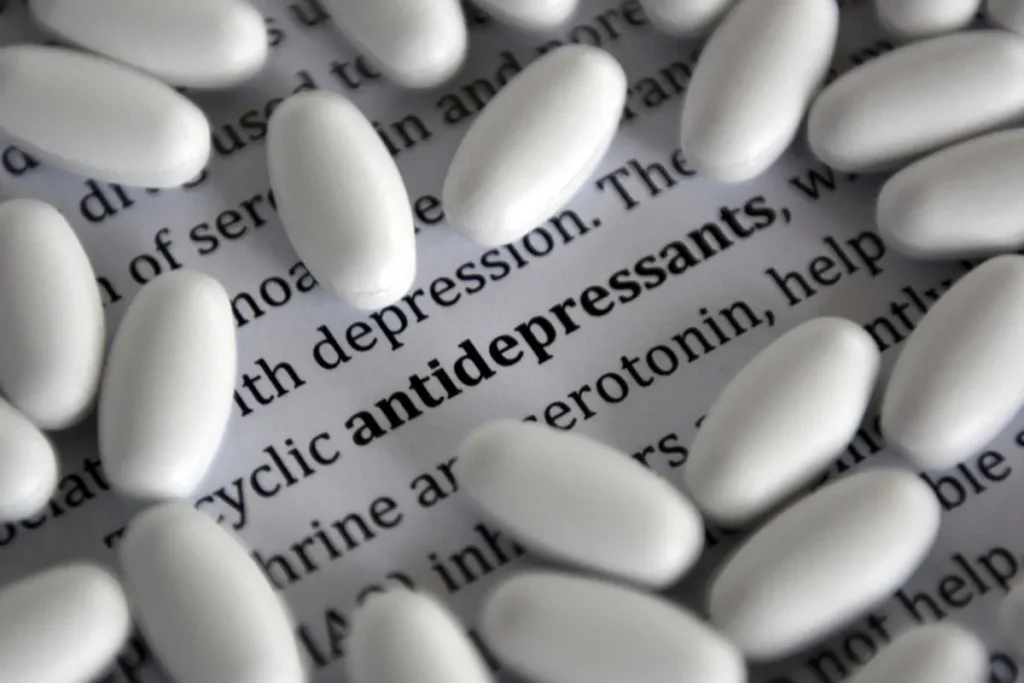
Depression touches millions globally. Recent studies show promising alternatives to SSRIs. A 2025 study looked at 64 remedies for depression. It found many natural compounds work well.
Medical News Today says some SSRI natural alternatives help with depression. SAM-e, St. John’s Wort, and omega-3 fatty acids might offer relief. But, how well they work can differ for each person.
GoldCity Center is leading the way in using new, natural treatments for depression. They focus on finding better ways to treat this condition. Looking into these natural options is key in the ongoing search for effective treatments.
Natural antidepressants offer amazing relief for your mood. Explore powerful, drug-free alternatives to find a happy and balanced mental state.
Key Takeaways
Recent research reveals compelling natural alternatives to SSRIs.
Certain natural compounds demonstrate significant efficacy in treating depression.
SAM-e, St. John’s Wort, and omega-3 fatty acids are possible SSRI natural alternatives.
Effectiveness of natural remedies varies from person to person.
GoldCity Center’s commitment to cutting-edge protocols highlights the importance of natural alternatives.
Understanding Depression and the Search for Alternatives

Depression affects people worldwide, making new treatments urgent. It impacts not just mental health but overall well-being. So, it’s key to look into different treatment options.
Depression Statistics and Impact
In the UK, about 11.3 percent of people have mild depression. Another 4.2 percent have moderate, and 3.3 percent have severe symptoms. The National Institute of Mental Health says depression is treatable, with many causes.
Depression affects not just individuals but families and society too. Knowing how widespread it is helps us see why we need good treatments.
Limitations of Conventional SSRI Medications
SSRIs are often used to treat depression. But, they can cause side effects like nausea and insomnia. They might not work for everyone, showing we need other options.

Common Side Effects of SSRIs:
Nausea and vomiting
Insomnia or sleep disturbances
Sexual dysfunction
Weight gain or loss
The problems with SSRIs make finding natural alternatives important. These could offer relief with fewer side effects.
Understanding depression and the limits of current treatments helps us make better choices. Looking into natural alternatives to SSRIs is a hopeful path for those with depression.
The Science Behind Natural Antidepressants

The search for new ways to treat depression is ongoing. Natural antidepressants are getting more attention. New research is helping us understand how they work alongside traditional treatments.
The 2025 Analysis of 64 Natural Remedies
A big study in 2025 looked at 64 natural remedies for depression. It found that some natural substances really help. They can change how our brain chemicals work and reduce inflammation, which is linked to depression.
The study showed that natural compounds like St. John’s Wort, Saffron, and Omega-3 fatty acids are promising. They could be a good choice for people looking for new ways to treat depression.
How Natural Compounds Affect Brain Chemistry
Natural compounds can change brain chemistry in different ways. Some can make more serotonin and dopamine, which help us feel better. Others can fight inflammation, which is common in depression.
Learning how natural antidepressants affect brain chemistry helps make better treatments. It also lets people make smarter choices about their mental health. They can talk to doctors about using natural remedies as part of their treatment.
5 Most Effective Natural Antidepressants with Clinical Support
Explore the power of natural antidepressants, supported by science. We find that some plants and nutrients help manage depression well.
St. John’s Wort: Nature’s SSRI Alternative
St. John’s Wort is studied for treating mild to moderate depression. Clinical trials show it’s as good as some antidepressants but with fewer side effects. Medical News Today says it helps improve mood in people with depression.
Saffron: The Golden Mood Enhancer
Saffron is known for its taste and health benefits. Studies show it can reduce depression symptoms as well as some SSRIs. Its compounds help with mood, making it a good natural choice.
Omega-3 Fatty Acids: Essential Brain Nutrition
Omega-3 fatty acids, like EPA and DHA, are key for brain health. Research shows they can help with depression. They’re important for a healthy mind.
SAM-e (S-adenosyl methionine): Metabolic Mood Support
SAM-e is a natural compound in our bodies. It has been shown to help with depression by affecting how our body makes neurotransmitters. It’s a natural option for treating depression.
In summary, these natural antidepressants are good alternatives to SSRIs, backed by science. Always talk to a doctor before adding new supplements to your routine.
Conclusion: Safely Incorporating Natural Antidepressants Into Your Wellness Plan
Natural antidepressants can be a great addition to your wellness plan. But, it’s important to talk to a healthcare professional first. They can help make sure you’re using them safely and effectively.
When looking at natural antidepressants, watch out for any bad reactions with other medicines. Keeping an eye on how they work for you is key. This way, you can enjoy their benefits and manage your mental health better.
Adding natural antidepressants to your daily life can start a positive change. With the right advice and sticking to your wellness plan, you can live a happier, more balanced life.
FAQ
What are natural antidepressants?
Natural antidepressants are substances that help with depression without drugs. They include herbal supplements, vitamins, and other natural compounds. These affect brain chemistry.
Are natural antidepressants as effective as SSRIs?
Natural antidepressants might not work as well for everyone as SSRIs. But, many people find them helpful in managing depression. Studies show promising results for certain natural compounds.
What are the benefits of using natural antidepressants over SSRIs?
Natural antidepressants have fewer side effects. They offer a holistic approach to mental health. They can be used long-term without the risks of dependence or withdrawal seen with some drugs.
Can I use natural antidepressants in place of my current medication?
Always talk to a healthcare professional before changing your medication. They can guide you on the best treatment and ensure it’s safe.
What are some of the most effective natural antidepressants?
Effective natural antidepressants include St. John’s Wort, saffron, omega-3 fatty acids, and SAM-e. These have shown promise in easing depression symptoms and improving mental health.
How do natural antidepressants affect brain chemistry?
Natural antidepressants can change brain chemistry in several ways. They can regulate neurotransmitters, reduce inflammation, and support neural health. For example, omega-3 fatty acids support brain health, while St. John’s Wort may help with serotonin levels.
Are there any potentially harmful interactions between natural antidepressants and other medications?
Yes, natural antidepressants can interact with other medications. This includes blood thinners, diabetes medications, and certain antidepressants. Always talk to a healthcare professional about possible interactions and safe use.
How can I safely incorporate natural antidepressants into my wellness plan?
To safely add natural antidepressants to your wellness plan, start by talking to a healthcare professional. They can help choose the right supplements, determine the correct dosage, and monitor your progress.
What is the best natural antidepressant for me?
The best natural antidepressant for you depends on your individual needs and health. Consult with a healthcare professional to find the most suitable option.
Can natural antidepressants be used in conjunction with therapy?
Yes, natural antidepressants can be used with therapy. In fact, combining natural supplements with therapy may be the most effective way to manage depression.
References
This article reviews the evidence for clinical efficacy, active ingredients, mechanisms of action, recommended dosages, and toxicities https://pmc.ncbi.nlm.nih.gov/articles/PMC2786903/


