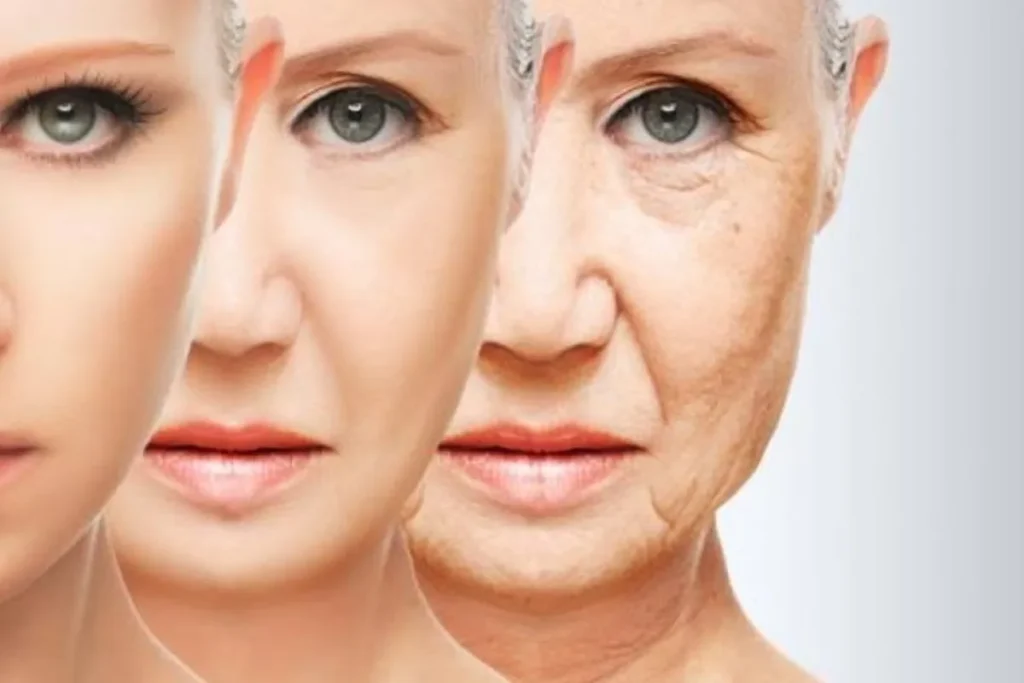
When people turn 80, they face many physical and mental changes. About 43% of older adults stay healthy, while others see different levels of changes. It’s important to know these changes to keep well and live well.
Normal signs of aging at 80 are a testament to longevity. Follow our amazing guide to stay powerful and handle scary health changes with ease.
Aging at 80 is a natural part of life. It involves gradual changes in many parts of the body.
At 80, these changes can be more noticeable. They affect different parts of the body. It’s key to know the normal changes and when to see a doctor.
GoldCity Center focuses on the elderly. They help patients deal with these changes. This way, they can stay independent and enjoy life.
Key Takeaways
Understanding aging changes is key for health and happiness.
Aging at 80 means gradual changes in many body parts.
It’s important to tell normal aging from health issues.
GoldCity Center helps the elderly stay independent.
About 43% of older adults stay healthy and strong.
Understanding the Aging Process at 80
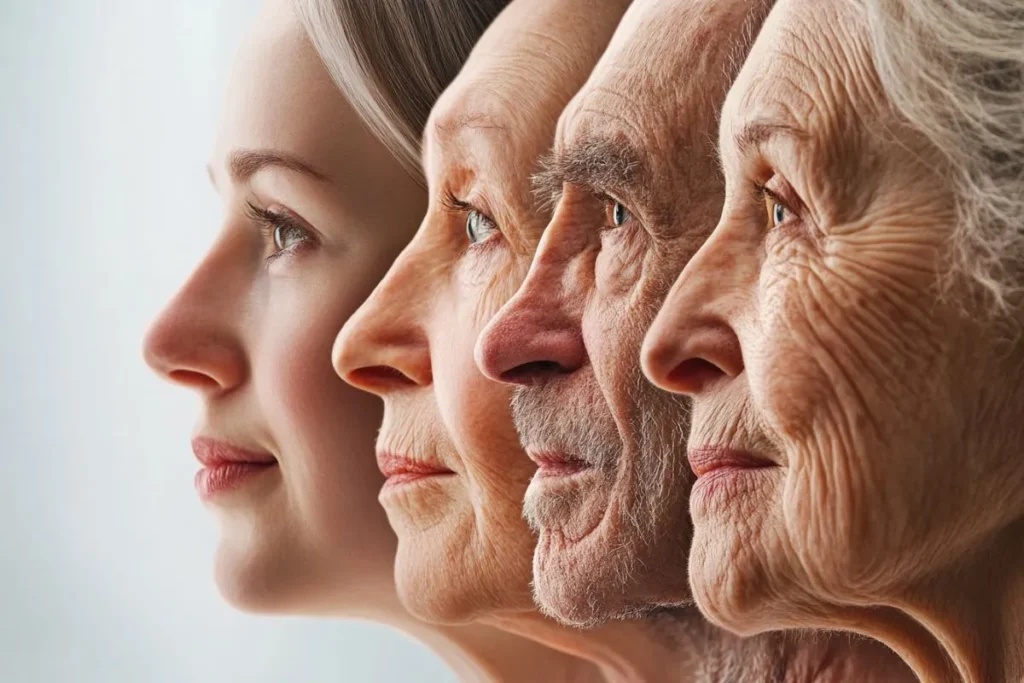
Turning 80 is a big deal, bringing physical and biological changes. These changes can affect health and happiness. It’s key to understand these changes to offer the right care and support.
How Aging Affects Different Body Systems
Aging impacts many body systems, leading to physical and mental changes. Older people often face hearing loss, cataracts, and back pain. They might also get osteoarthritis, diabetes, depression, and dementia.
The musculoskeletal system changes a lot, like losing muscle and bone density. This can make moving harder and raise the chance of breaking bones.
The cardiovascular system also changes, like higher blood pressure and less heart power. This can lead to heart diseases. The nervous system gets affected too, with possible memory and thinking speed drops.
Distinguishing Normal Changes from Health Concerns
It’s important to tell normal aging from health issues. While wrinkles and age spots are normal, some signs might mean health problems. For example, big memory loss or trouble with daily tasks could mean dementia.
Healthcare workers and caregivers need to watch for these changes closely. By knowing how aging affects the body, we can help keep people healthy and happy.
8 Normal Signs of Aging at 80: Physical Changes
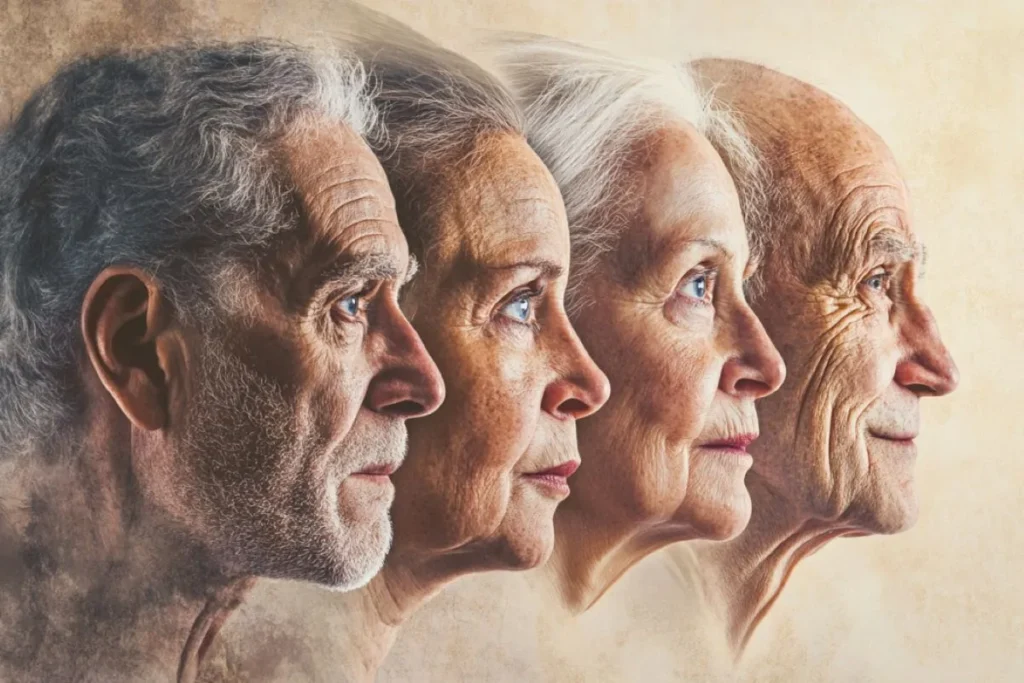
At 80, aging brings many physical changes that can affect health and happiness. These changes are natural and can be managed with the right approach.
Skin Changes: Deepening Wrinkles and Age Spots
One of the most obvious signs of aging at 80 is how the skin changes. Deepening wrinkles and age spots appear due to sun exposure and aging. Taking care of your skin and protecting it from the sun can help.
Muscle and Strength Reduction
At 80, you might notice less muscle and strength, known as sarcopenia. This can make moving around harder and increase fall risks. Regular exercise, like weight training, can help keep muscles strong.
Bone Density Loss and Posture Changes
Bone density loss is another big change at 80, which can lead to osteoporosis and affect how you stand. Eating foods rich in calcium and vitamin D, and exercising, are key for strong bones.
Vision Impairment and Eye Conditions
Vision changes are common at 80, with issues like cataracts, glaucoma, and age-related macular degeneration becoming more common. Regular eye exams and treatment can help manage these problems.
In summary, aging at 80 brings many physical changes that can affect daily life. Understanding these changes helps individuals take steps to manage them and keep living well.
4 Cognitive and Social Changes in Healthy Aging
The aging process at 80 brings subtle yet notable changes. These changes affect how we think and interact with others. Understanding these changes helps support older adults and promote healthy aging.
Processing Speed and Attention Changes
One key change is a decline in processing speed. Older adults may react slower to visual stimuli or take longer to complete tasks. Changes in attention span also impact their ability to focus on complex tasks.
Key aspects of processing speed and attention changes include:
Slower reaction times to visual or auditory stimuli
Difficulty with tasks that require divided attention
Reduced ability to filter out irrelevant information
Memory Alterations and Recall
Memory changes are a significant aspect of aging. While older adults may experience some decline, it’s important to distinguish between normal age-related changes and more severe impairments.
Memory alterations can manifest in various ways, such as:
Difficulty recalling familiar names or words
Forgetting recent events or conversations
Learning new information at a slower pace
Emotional Resilience and Adaptation
Emotional resilience is critical for older adults as they navigate life’s challenges. Aging can bring about changes in emotional regulation, with some individuals becoming more emotionally resilient over time.
Factors that contribute to emotional resilience include:
Social Connection Patterns
Social connections are vital for older adults, influencing their mental and emotional well-being. As people age, their social connection patterns may change.
Reducing the size of their social network
Deepening relationships with close family and friends
Engaging in new social activities or hobbies
Conclusion
It’s important to know the signs of aging to stay healthy. As we get older, our bodies change in many ways. This affects our physical, mental, and social health.
At 80, we see changes that help us prepare for aging. These changes offer both challenges and chances for growth. By understanding these signs, we can take care of ourselves better.
When we see signs of aging, we can work to keep our independence and dignity. Healthy aging means meeting our unique needs as we age. This leads to a more fulfilling life.
In short, knowing the signs of aging at 80 helps us create a supportive environment. This environment promotes healthy aging and well-being.
FAQ
What are the normal signs of aging at 80?
At 80, you might notice wrinkles getting deeper. Your muscles and bones might get weaker. You could also see changes in your vision and hearing. Plus, your brain might process information a bit slower.
How does aging affect different body systems?
Aging impacts various body systems. This leads to changes in your skin, muscles, bones, vision, hearing, and brain function. These changes can affect how you look and feel.
What are the common physical changes that occur at 80?
At 80, you might notice your skin looking different. Your muscles and bones could weaken. You might also have trouble with your vision and hearing. These are common signs of aging.
How can I distinguish between normal aging changes and health concerns?
Knowing what normal aging looks like is key. If you notice anything unusual, it’s time to see a doctor. They can help figure out if it’s just aging or something more serious.
What are the signs of aging poorly?
Poor aging shows up as quick physical decline. It also means your brain might not work as well. You could also get sick more easily.
How can I promote healthy aging?
To age well, live a healthy lifestyle. Stay active and keep your mind sharp. Also, make sure to stay connected with friends and family.
What are the normal cognitive changes that occur during healthy aging?
Healthy aging can slow down how fast you process information. You might notice changes in your memory. But, you can stay emotionally strong.
How can I support older adults in maintaining their physical and cognitive health?
Help older adults by creating a caring environment. Encourage them to stay active and mentally sharp. Also, make sure they can get to the doctor when they need to.
What are the symptoms of aging?
Aging symptoms include wrinkles and age spots. Your muscles and bones might weaken. You could also lose memory and process information slower.
How can I manage age-related physical changes?
To handle aging changes, live a healthy life. Eat well, exercise, and drink plenty of water. If needed, use tools to help with daily tasks.
References
World Health Organization. Evidence-Based Medical Insight. Retrieved from
https://www.who.int/news-room/fact-sheets/detail/ageing-and-health