

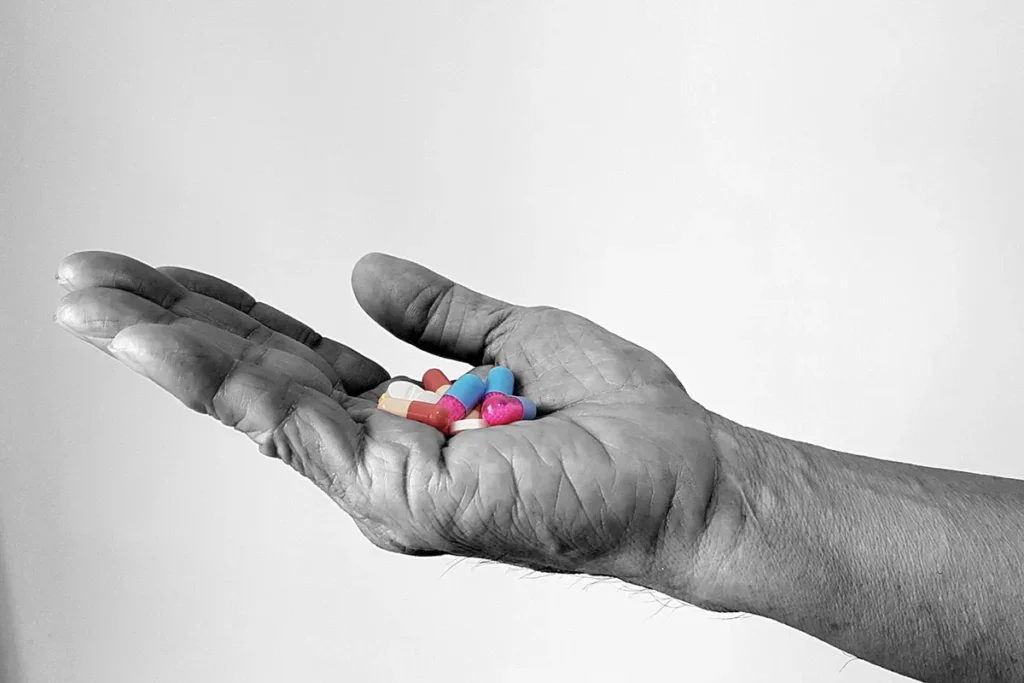
Knowing the signs of opioid intoxication can save lives. In the U.S., there are over 217 overdose deaths every day. It’s vital to understand the symptoms and know how to act quickly.
Opioid toxicity happens when someone takes too much of an opioid. This can lead to serious breathing problems. The symptoms include feeling very tired, slow breathing, and small pupils.
Liv Hospital focuses on the patient and uses the newest medical methods. They help people and families get the best care and solutions.
Key Takeaways
Understanding opioid poisoning symptoms is key to acting fast.
The main signs of opioid intoxication are feeling very tired, slow breathing, and small pupils.
Using naloxone and getting medical help right away can save lives.
Spotting the signs of opioid toxicity can be a lifesaver.
Liv Hospital provides care that puts the patient first and uses the latest medical methods for opioid intoxication.
The Growing Crisis of Opioid Intoxication

Understanding opioid intoxication symptoms is key as the opioid crisis grows. It’s marked by a mix of symptoms like slowed breathing and small pupils. But, slowed breathing is the most telling sign.
The opioid crisis is taking lives at an alarming rate. In 2015, poison control centers saw 18,425 cases of pure opiate exposure. This led to 68 deaths and 764 serious cases. By 2018, the crisis was claiming about 128 lives daily.
Current Statistics on Opioid Overdose Deaths
Opioid overdose deaths have skyrocketed over the last 20 years. The Centers for Disease Control and Prevention (CDC) tracks this trend. They report a sharp rise in opioid-related overdose deaths.
Common Opioids and Their Abuse Pote
Knowing about common opioids and their dangers is critical. Drugs like fentanyl, heroin, and prescription painkillers are often misused. This misuse can lead to overdose and death.
Fentanyl and heroin are among the most dangerous due to their potency. Prescription opioids can also be risky if used wrong. These drugs have a high abuse risk because they can cause dependence and tolerance.
The Clinical Triad: Primary Symptoms of Opioid Intoxication

To spot opioid intoxication, it’s key to know its main signs. These signs make up a clinical triad. This triad is vital for diagnosing and treating opioid overdose right.
The main symptoms of opioid intoxication are central nervous system depression, respiratory depression, and pupillary constriction. These happen because opioids interact with opioid receptors in our bodies. They affect the μ, κ, and δ subtypes.
Central Nervous System Depression
Central nervous system (CNS) depression is a big sign of opioid intoxication. It shows as drowsiness, altered consciousness, or even coma in bad cases. Opioids work by binding to μ-receptors, causing sedation and pain relief. CNS depression can be mild drowsiness or deep unresponsiveness.
Respiratory Depression: The Most Specific Indicator
Respiratory depression is the most important and specific sign of opioid overdose. It can cause respiratory arrest, a very dangerous condition. Opioids make the brain less responsive to carbon dioxide, leading to slower breathing. In serious cases, breathing can slow down to four to six breaths per minute.
Pupillary Constriction (Miosis)
Pupillary constriction, or miosis, is another key sign of opioid intoxication. It happens because of the stimulation of the parasympathetic nerves that control pupil size. Miosis is a key sign, but it’s not the only thing that can cause it. Other conditions can also lead to it, so it’s important to look at the whole situation.
The table below shows the main symptoms of opioid intoxication and how they affect the body:
Additional Signs and Progression of Symptoms
Opioid intoxication can show different signs as it gets worse. Spotting these signs early is key to getting medical help fast. This can stop serious problems from happening.
Early Warning Signs
The first signs of opioid intoxication include drowsiness and confusion. People might also find it hard to stay awake. Changes in behavior, like increased lethargy or altered mental status, are common too. Knowing these signs early can help take action quickly.
Difficulty walking or talking
Blue, purple, or grey lips or nails
Very small pupils
Cold and clammy skin
Dizziness and confusion
Moderate to Severe Symptoms
When opioid intoxication gets worse, symptoms get more serious. Respiratory depression is a big warning sign that needs quick help. Other severe signs include cardiac issues, choking or gurgling sounds, and slow, weak, or no breathing. In the worst cases, someone might become unresponsive.
Differentiating Opioid Intoxication from Other Conditions
It’s important to tell opioid intoxication apart from other conditions that look similar. Doctors need to spot the specific signs of opioid intoxication to give the right treatment. Other substance intoxications or medical issues that affect breathing or mental state can look similar.
Knowing how opioid intoxication works and changes can help doctors treat it better. By spotting early signs and knowing about more serious symptoms, doctors can act fast. This can stop serious problems from happening.
Conclusion: When to Seek Emergency Help
Opioid intoxication is a serious medical issue that needs quick help. It’s important to know when to seek emergency help to manage it well. If someone shows signs of opioid toxicity, like deep breathing problems or not responding, you must act fast.
If you think someone has overdosed on opioids, call 9-1-1 immediately. Giving opioid intoxication treatment like naloxone can save lives. Naloxone works quickly to reverse an overdose. It’s key to act fast to get timely opioid poisoning treatment and save lives.
In acute opioid intoxication cases, time is very important. Knowing the symptoms and acting quickly can make a big difference. By spotting the signs and knowing when to seek emergency help, you can help stop opioid-related deaths. This ensures those affected get the right opioid intoxication treatment.
FAQ
What are the primary symptoms of opioid intoxication?
Opioid intoxication shows signs like drowsiness and slowed breathing. It also causes pupils to get smaller. These signs show the body is affected by opioids.
What is the most critical indicator of opioid overdose?
The most important sign of an opioid overdose is slowed breathing. This can lead to not breathing at all, which is very dangerous.
What are the early warning signs of opioid intoxication?
Early signs include feeling very sleepy and confused. It’s hard to stay awake. These signs can get worse if not treated.
How does opioid intoxication progress to moderate or severe symptoms?
As it gets worse, symptoms can include breathing problems and heart issues. It can even lead to coma. Spotting early signs is key to preventing this.
What should be done if someone is showing signs of opioid overdose?
If someone is showing signs of overdose, like not breathing well, call for help right away. Use naloxone if you have it. This can save their life.
What is opioid toxicity, and how does it relate to opioid intoxication?
Opioid toxicity is when opioids harm the body. It’s similar to intoxication, as both involve bad effects from opioids.
How can opioid intoxication be differentiated from other conditions?
To tell it apart from other conditions, look for specific signs. These include breathing problems and smaller pupils. Doctors need to know these signs to help right away.
What is the role of naloxone in treating opioid overdose?
Naloxone quickly helps someone who has overdosed on opioids. It makes them breathe again. Giving naloxone fast can save lives.
What are the common opioids associated with abuse and overdose?
Opioids like fentanyl, heroin, and painkillers are often abused. Knowing about these risks helps fight the opioid crisis.
Why is recognizing opioid intoxication symptoms critical in addressing the opioid crisis?
Knowing the symptoms is key to helping people fast. The CDC and others say it’s important to spot these signs to fight the opioid problem.
References
National Center for Biotechnology Information. Evidence-Based Medical Insight. Retrieved from https://www.ncbi.nlm.nih.gov/books/NBK470415/


