
Managing alcohol withdrawal symptoms is key to a good recovery. Outpatient detox is a good choice for those with mild to moderate symptoms. It lets them get help at home.
The American Academy of Family Physicians says most people with alcohol withdrawal can be treated at home. This is true for those without serious health problems or past withdrawal issues.
Choosing outpatient detox lets patients keep up with their daily life. They get personal support and care. This makes recovery better and safer for those fighting addiction.
Key Takeaways
Outpatient detox is a cost-effective and viable option for managing mild to moderate alcohol withdrawal symptoms.
The American Academy of Family Physicians supports outpatient treatment for patients without severe comorbidities.
Personalized support and care are key for a successful recovery.
Outpatient detox lets patients keep up with their daily responsibilities.
A safe and supportive environment is essential for individuals struggling with addiction.
Understanding Alcohol Withdrawal Syndrome
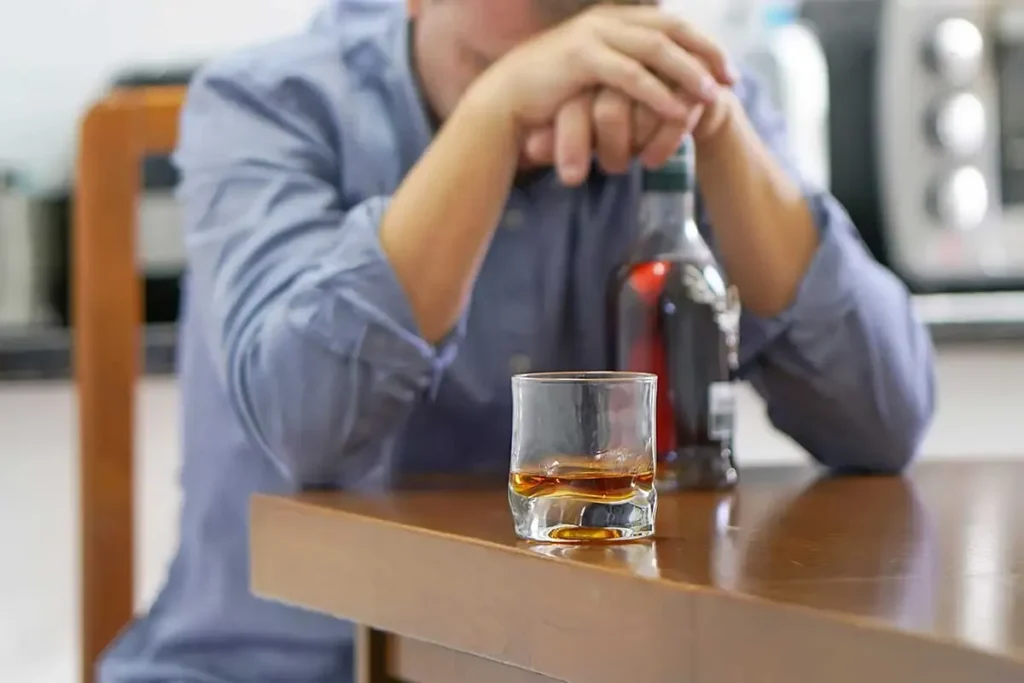
Alcohol withdrawal syndrome happens when someone stops drinking alcohol or cuts down a lot. It can start within six to 24 hours after the last drink. Symptoms can range from mild to severe.
The symptoms of alcohol withdrawal syndrome include headaches, anxiety, and tremors. You might also have trouble sleeping and stomach problems. If not treated, it can get worse.
Timeline and Stages of Alcohol Withdrawal
The stages of alcohol withdrawal are divided into three by the American Academy of Family Physicians (AAFP). Knowing these stages helps decide the right care level.
Mild withdrawal symptoms can include tremors and anxiety.
Moderate withdrawal may involve more pronounced symptoms such as increased heart rate and blood pressure.
Severe withdrawal can lead to hallucinations, seizures, and delirium tremens.
Identifying Suitable Candidates for Outpatient Treatment
Identifying suitable candidates for outpatient treatment is key in managing alcohol withdrawal. Healthcare providers must check the symptoms’ severity and the patient’s medical history. This helps decide if outpatient care is right.
People with mild to moderate symptoms and no major health issues can usually get outpatient treatment. But, those with severe symptoms, seizures, or big health problems might need to stay in the hospital.
By knowing the stages of alcohol withdrawal and carefully checking each patient, doctors can choose the best treatment. This ensures the best results for those going through alcohol detox.
Implementing Effective Outpatient Alcohol Detoxification Protocols

Effective outpatient alcohol detox needs a detailed plan. It starts with a thorough check-up. This step is key to figuring out how bad the withdrawal symptoms are and if there are other health issues.
Initial Assessment and Screening Tools
The first step is using proven tools to check the patient’s health. The Clinical Institute Withdrawal Assessment for Alcohol (CIWA-Ar) is a top choice. It helps doctors see how serious the withdrawal symptoms are. This is important for deciding the right treatment and care level.
“Using tools like CIWA-Ar makes sure treatment fits the patient’s needs. This makes outpatient detox more effective.”
Medication Management with Benzodiazepines
Benzodiazepines are the best choice for treating alcohol withdrawal. Alprazolam and lorazepam are favorites because they work well. The right benzodiazepine and dose depend on the patient’s health and symptoms.
Alprazolam works fast.
Lorazepam is better for those with liver problems.
Fixed-Dose vs. Symptom-Triggered Regimens
Guidelines suggest using fixed-dose or symptom-triggered benzodiazepine plans. A fixed-dose regimen gives a set dose at set times. A symptom-triggered regimen changes the dose based on the patient’s symptoms.
Choosing depends on the patient’s health and the doctor’s judgment. Guidelines say “symptom-triggered plans can use less benzodiazepine and be shorter.”
Conclusion
Outpatient alcohol detox is a great option for those with mild to moderate withdrawal symptoms. Healthcare providers can offer safe and effective care by understanding the syndrome and identifying the right candidates.
Many patients find success with outpatient detox, thanks to the support and guidance they receive. Important steps include initial assessment, medication like benzodiazepines, and fixed-dose or symptom-triggered regimens. These steps are key to successful recovery.
Healthcare providers must keep up with the latest research and best practices in outpatient alcohol detox. This way, they can offer top-notch care and help individuals on their path to recovery.
FAQ
What is outpatient alcohol detoxification?
Outpatient alcohol detoxification helps those with mild to moderate withdrawal symptoms. It lets them get care at home.
What are the stages of alcohol withdrawal?
The American Academy of Family Physicians breaks down alcohol withdrawal into three stages. These are mild, moderate, and severe. Symptoms can start within six to 24 hours after drinking stops.
What medications are used for outpatient alcohol detoxification?
Benzodiazepines, like alprazolam and lorazepam, are often used. They help manage symptoms and prevent complications during detox.
How is the severity of withdrawal symptoms assessed?
Doctors use tools like the CIWA-Ar to check how severe symptoms are. This helps decide the best treatment.
What is the difference between fixed-dose and symptom-triggered regimens?
The choice between fixed-dose and symptom-triggered treatment depends on several factors. These include the patient’s medical history and how severe their symptoms are.
Can Xanax help with alcohol withdrawal symptoms?
Yes, Xanax (alprazolam) can help with alcohol withdrawal symptoms. But, it’s important to follow a doctor’s advice on dosage and treatment.
Is outpatient detox suitable for everyone experiencing alcohol withdrawal?
No, outpatient detox is best for those with mild to moderate symptoms. It’s not for everyone, like those with severe symptoms or other health issues.
How can I determine if outpatient detox is right for me?
Talk to a healthcare provider about your medical history and symptoms. They can help decide if outpatient detox is the best choice for you.
References
National Center for Biotechnology Information. Evidence-Based Medical Insight. Retrieved from https://pubmed.ncbi.nlm.nih.gov/9084065/