

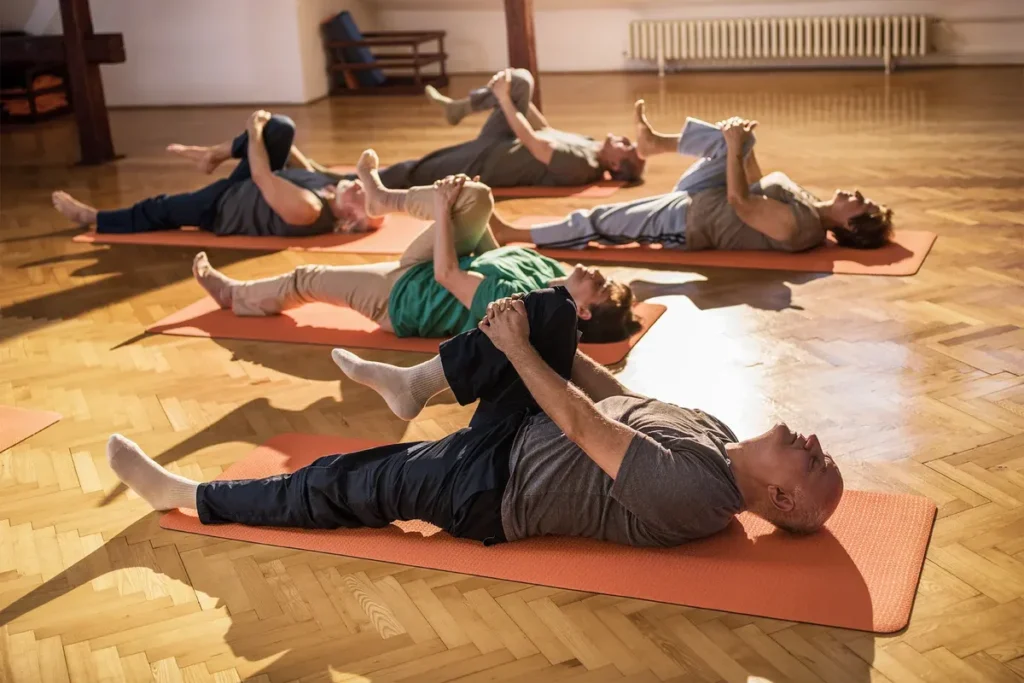
In today’s fast world, stress and anxiety are common. But, there are ways to handle them. Relaxation techniques are key for managing stress and anxiety.
Adding relaxation exercises to your day can boost your health. This article will show you the top 5 relaxation exercises for stress and anxiety. You’ll learn how to take back control of your life.
Key Takeaways
Relaxation techniques can significantly reduce stress and anxiety.
Incorporating relaxation exercises into your daily routine improves mental and physical well-being.
Effective stress management is key for overall health.
Relaxation exercises can be tailored to fit your needs.
Consistency is essential to see the benefits of relaxation techniques.
The Science Behind Stress and Relaxation

It’s important to understand how stress and relaxation are connected. Stress is a big problem today, affecting many people. It can cause health issues like heart disease, obesity, and mental health problems.
How Chronic Stress Impacts Your Health
Chronic stress can harm your body and mind. It can lead to high blood pressure, diabetes, and anxiety. The Medical organization says that stress hormones can wear down your body over time.
Stress affects many parts of your body. It can weaken your immune system, making you more likely to get sick. It can also mess with your digestive system, causing problems like irritable bowel syndrome (IBS).
Why Relaxation Techniques Work
Relaxation techniques help by calming your body. They use deep breathing, muscle relaxation, and guided imagery. These methods can lower stress and anxiety by changing how your body reacts.
Knowing how stress affects health and how relaxation works helps. It lets people take steps to manage stress and improve their well-being.
5 Proven Relaxation Exercises for Stress Management

Discover how relaxation exercises can change your stress management routine. They help you feel calmer and more serene. These exercises are natural and effective against stress and anxiety, leading to better well-being and health.
Progressive Muscle Relaxation (PMR)
Progressive Muscle Relaxation is a method that involves tensing and relaxing muscles. It helps reduce physical tension. By tensing and releasing muscles, you can release tension and relax deeply.
To do PMR, sit or lie down comfortably. Start with your toes, tense them for a few seconds, then release. Move up your body, tensing and relaxing each muscle group.
Deep Breathing Exercises
Deep Breathing Exercises are a simple yet powerful tool for managing stress. They calm the mind and slow the heart rate. By focusing on slow, deep breaths, you can relax.
To practice deep breathing, sit with your back straight. Close your eyes and breathe slowly in through your nose and out through your mouth. Pay attention to the breath moving in and out of your body.
Guided Imagery Meditation
Guided Imagery Meditation uses visualization to calm the mind and promote relaxation. It’s great for reducing stress and anxiety.
To practice guided imagery, find a quiet space to relax. Close your eyes and listen to a guided recording or imagine a peaceful place, like a beach or forest.
Mindfulness-Based Stress Reduction
Mindfulness-Based Stress Reduction (MBSR) teaches being present in the moment. It reduces worries about the past or future. By being mindful, you can lower stress and anxiety and improve well-being.
To practice MBSR, sit comfortably. Focus on the present, noticing your breath, body sensations, or emotions without judgment.
Yoga and Tai Chi
Yoga and Tai Chi combine movement, deep breathing, and meditation. They promote relaxation and reduce stress. These practices improve flexibility, balance, and overall well-being.
To start with yoga or tai chi, look for a local class or online resource. Begin with simple poses and movements, getting more complex as you become more comfortable.
Building Your Personal Relaxation Exercise Routine
A well-crafted relaxation routine can be a game-changer for managing stress and anxiety. Tailoring a routine to your specific needs and lifestyle can maximize the benefits of relaxation techniques for stress relief.
Combining Techniques for Maximum Benefit
One of the most effective ways to enhance your relaxation routine is by combining different stress management exercises. For example, pairing deep breathing with progressive muscle relaxation can lead to a deeper state of relaxation. Experiment with various techniques to find the combinations that work best for you.
Some popular combinations include:
Guided imagery with mindfulness meditation
Yoga with tai chi
Progressive muscle relaxation with deep breathing exercises
Creating a Sustainable Practice Schedule
Consistency is key when it comes to stress relief exercises. To make relaxation a habit, it’s essential to create a sustainable practice schedule. Start by setting aside a specific time each day that works for you, even if it’s just a few minutes.
To maintain your routine, consider the following tips:
Begin with short sessions and gradually increase the duration as you become more comfortable with the techniques.
Be flexible and adapt your routine as needed to accommodate changes in your schedule or preferences.
Track your progress and adjust your routine as needed to ensure you’re getting the maximum benefit.
By combining different relaxation techniques and maintaining a consistent practice schedule, you can experience significant reductions in stress and anxiety over time. Remember, the key to successful stress management is finding a routine that works for you and sticking to it.
Conclusion
Relaxation exercises are a strong tool for handling stress and anxiety. They lead to big improvements in both physical and mental health. By learning about stress and relaxation, you can better your well-being and life quality.
Stress relief techniques like progressive muscle relaxation, deep breathing, and guided imagery are easy to add to your day. These methods calm your mind and body, lessening stress’s bad effects.
Putting relaxation first can greatly improve your mood and resilience. Begin your path to a healthier, more balanced life by embracing relaxation techniques. Make them a lasting part of your lifestyle.
Explore the amazing power of relaxation and reach your full life’s promise. Enjoy a life filled with luxury, elegance, and well-being.
FAQ
What are the most effective relaxation techniques for managing stress and anxiety?
The top relaxation techniques include progressive muscle relaxation and deep breathing exercises. Guided imagery meditation, mindfulness-based stress reduction, and yoga and tai chi are also effective. These methods help reduce stress and anxiety by promoting relaxation and lowering stress markers.
How do relaxation exercises help with stress relief?
Relaxation exercises reduce physical tension and calm the mind. Techniques like deep breathing and progressive muscle relaxation lower cortisol levels and heart rate. This leads to a state of relaxation.
Can relaxation techniques be combined for better results?
Yes, mixing different relaxation techniques can be very effective. For example, combining deep breathing with progressive muscle relaxation can enhance relaxation and improve stress management.
How often should I practice relaxation exercises to see results?
Consistency is key in relaxation exercises. Daily or several times a week practice can significantly reduce stress and anxiety. It’s important to make relaxation a daily habit by setting aside time each day.
Are there any relaxation techniques that can help with anxiety?
Yes, guided imagery meditation, mindfulness-based stress reduction, and yoga are great for anxiety. These practices help you stay present, reduce worries, and calm your mind.
Can relaxation exercises be practiced anywhere?
Yes, many relaxation exercises can be done anywhere, anytime. Deep breathing exercises are discreet and can be done during breaks or while commuting. Progressive muscle relaxation can also be practiced in various settings, making it easy to fit into a busy schedule.
How do I get started with a relaxation practice?
Start by choosing a technique you like, such as deep breathing or progressive muscle relaxation. Set aside a time each day for practice, starting with short sessions. Gradually increase the time as you become more comfortable with the technique.
Reference
National Center for Biotechnology Information. Evidence-Based Medical Insight. Retrieved from https://www.ncbi.nlm.nih.gov/books/NBK513238/


