

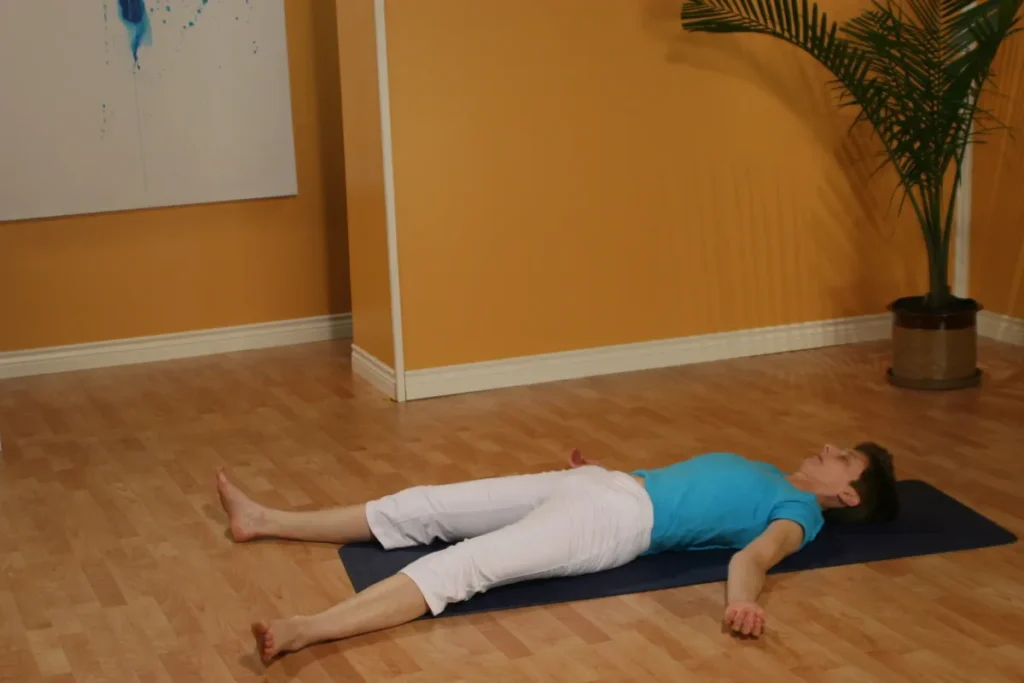
Anxiety can feel overwhelming. But, using relaxation techniques daily can help manage it. Simple yet powerful stress relief exercises can reduce anxiety and boost well-being.
GoldCity Center sees anxiety relaxation exercises as key to care. Deep breathing, progressive muscle relaxation, and guided imagery are top choices. They target tension and anxiety well.
Begin your journey to less anxiety by trying these relaxation exercises for anxiety. Make them a daily habit. You’ll find a more balanced and peaceful life.
Key Takeaways
Relaxation techniques can significantly reduce anxiety symptoms.
Deep breathing, progressive muscle relaxation, and guided imagery are effective methods.
Incorporating these exercises into your daily routine can improve overall well-being.
Relaxation exercises are a vital part of treating anxiety.
Regular practice can lead to a more balanced and peaceful state of being.
The Science Behind Relaxation Exercises for Anxiety

Relaxation exercises are backed by strong science for anxiety relief. They have been studied a lot for their effects on both body and mind. This is true for stress reduction and managing stress.
These exercises trigger the body’s relaxation response. This state is marked by slower breathing, lower blood pressure, and reduced muscle tension. It helps counter stress and anxiety, bringing calm and well-being.
How Relaxation Techniques Affect Your Body
Regular use of relaxation techniques changes how your body reacts to stress. They reduce cortisol levels and slow down the heart rate. This helps balance the body’s stress response.
Studies show that regular practice can change the body’s stress response system. This makes it easier to handle anxiety over time. It’s great for those with anxiety disorders.
Research-Backed Benefits for Anxiety Management
Many studies prove relaxation exercises work for anxiety. They help by reducing anxiety symptoms, improving sleep, and boosting well-being. Adding these exercises to your daily routine can bring these benefits.
Some key benefits of relaxation exercises for anxiety include:
Reduced stress responses
Better emotional control
More resilience to stress
Understanding the science behind relaxation exercises helps manage anxiety. It improves life quality for those who use them.
Effective Relaxation Exercises for Anxiety Relief

Find calm and reduce anxiety with the best relaxation exercises. These techniques are great for managing anxiety. Adding them to your daily routine can greatly improve your well-being.
Progressive Muscle Relaxation
Progressive muscle relaxation involves tensing and relaxing muscles. It helps release physical tension and promotes relaxation. Start with your toes and move up to your head, holding each muscle for a few seconds before releasing.
Deep Breathing Techniques
Deep breathing is a simple yet effective way to calm your mind and body. Focus on slow, deep breaths to slow your heart rate and relax. Try inhaling for four counts, holding for seven, and exhaling for eight.
Guided Imagery and Visualization
Guided imagery and visualization use your imagination to create a peaceful scene. Visualizing a calm place can distract you from anxious thoughts and relax you. You can find recordings online or create your own scenes.
Somatic Relaxation Methods
Somatic relaxation methods release tension through gentle movements. Yoga and tai chi are examples that promote relaxation by using gentle stretches and movements.
For more information on relaxation techniques for anxiety, visit Southeast Behavioral. They offer additional resources and expert advice.
Conclusion
Adding relaxation techniques to your daily life can help manage stress and anxiety. This leads to a more balanced and fulfilling life.
Deep breathing, progressive muscle relaxation, and guided imagery are effective. They reduce cortisol levels and help alleviate stress symptoms. This promotes overall well-being.
Using stress relief techniques regularly can greatly reduce anxiety and stress. This allows you to face daily challenges with confidence and poise.
Remember, patience and consistency are essential for the benefits of relaxation exercises. By prioritizing relaxation, you can unlock a more radiant and confident version of yourself.
FAQ
What are the most effective relaxation techniques for anxiety relief?
Deep breathing, progressive muscle relaxation, guided imagery, and somatic relaxation are top choices. They target tension and anxiety symptoms effectively.
How do relaxation exercises affect the body?
Relaxation techniques lower stress responses in the body. This leads to less anxiety, better sleep, and overall well-being.
Can relaxation exercises be practiced daily?
Yes, adding relaxation exercises to your daily routine can help manage anxiety. It makes you feel more luxurious and elegant.
What are some advanced stress reduction methods?
Advanced methods include progressive muscle relaxation, deep breathing, guided imagery, and somatic relaxation. They can lead to quick results.
How can relaxation techniques improve overall well-being?
Regular practice of relaxation exercises can reduce anxiety, improve sleep, and boost overall well-being. It unlocks your inner glow and confidence.
Are relaxation techniques suitable for all skin types and ages?
Yes, relaxation techniques are for everyone, regardless of skin type or age. They promote beauty for all and universal radiance.
Can relaxation exercises help with stress management?
Yes, relaxation exercises are a strong tool for managing stress and anxiety. They work well with other stress management techniques.
How long does it take to see results from relaxation exercises?
With regular practice, you can see dramatic results in just a few days. Enjoy a more luxurious, elegant you and a confident heart.
References
National Center for Biotechnology Information. Evidence-Based Medical Insight. Retrieved from https://pubmed.ncbi.nlm.nih.gov/18482418/


