

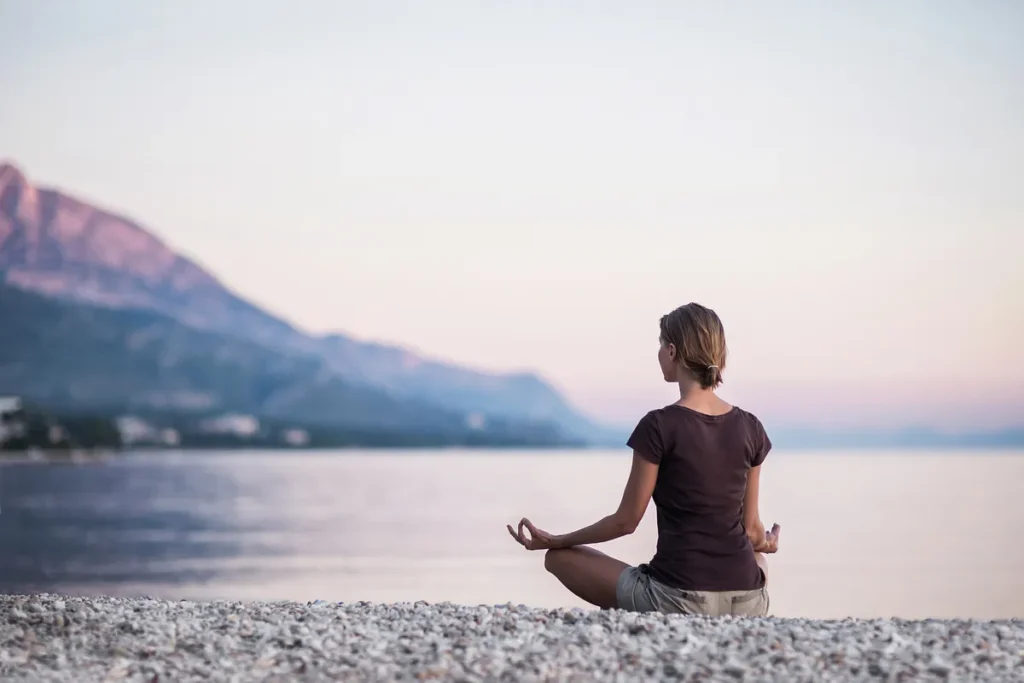
In today’s fast world, stress is a big problem. It leads to serious health issues like high blood pressure, anxiety, and trouble sleeping. The relaxation response is a way to fight this. It makes you relax by slowing your breathing and heart rate, and lowers your blood pressure.
Understanding the relaxation response meaning is vital for wellness. Master this amazing technique to stop scary stress and feel powerful again.
Medical Expert. It uses your body’s natural calm system. You can use meditation, visualization, and deep breathing to feel calm. Adding these stress relaxation techniques to your day can really help your health.
Key Takeaways
Understand the concept of the relaxation response and its benefits
Learn how to activate the parasympathetic nervous system
Discover simple techniques to manage stress and anxiety
Improve your overall well-being through relaxation practices
Enhance your mental clarity and focus
Understanding the Relaxation Response Meaning and Science

Medical Expert. It’s a state that fights against the stress response. This state brings changes in the body that fight stress.
Medical Expert’s Pioneering Research
Medical Expert, a cardiologist, founded the Benson-Henry Institute at Massachusetts General Hospital. In the 1970s, he researched the relaxation response at Harvard Medical School and Beth Israel Hospital. His work showed it lowers blood pressure and reduces oxygen use.
Techniques like meditation, deep breathing, and muscle relaxation trigger the relaxation response. These methods calm the body and lower stress.
How the Relaxation Response Counteracts Fight-or-Flight
The fight-or-flight response is our body’s stress reaction. It gets ready to face or run from danger by raising heart rate and blood pressure. But, it can cause health issues like high blood pressure and anxiety if it’s always on.
The relaxation response fights this by:
Reducing stress hormones: It lowers cortisol and adrenaline levels.
Lowering blood pressure: Regular use can keep blood pressure down.
Promoting relaxation: It relaxes the body, easing muscle tension and improving sleep.
Learning about the relaxation response and using it daily can help manage stress. It improves overall health and well-being.
Physiological Benefits of the Relaxation Response

Activating the relaxation response can change how your body works. Medical Expert. It helps fight stress and boosts well-being.
Measurable Changes in Body Functions
Using the relaxation response technique regularly changes your body. You’ll see your heart rate go down, blood pressure lower, and metabolic rate slow. Your muscle tension will also decrease.
This state of deep relaxation is opposite to stress. It’s a sign of calm.
The relaxation response also makes your breathing better. You’ll breathe slower. This means your body gets more oxygen, helping your health.
Research-Backed Health Improvements
Many studies show relaxation techniques improve health. They help lower blood pressure and improve sleep quality. They also make you feel better overall.
By adding the relaxation response to your day, you can see these benefits. It also helps with anxiety and depression symptoms. Plus, it makes managing chronic pain easier.
Step-by-Step Guide to Practicing the Relaxation Response Technique
Adding the relaxation response to your daily life can greatly boost your well-being. This technique can be triggered through meditation, visualization, or progressive muscle relaxation. It’s a way to calm your mind and body.
Creating the Optimal Environment
To get the most out of the relaxation response, you need the right setting. Look for a quiet, cozy spot where you can sit or lie down without interruptions. Adding calming scents like lavender or vanilla can make the space even more soothing. Soft textures and gentle lighting also help create a peaceful vibe.
Meditation and Focused Breathing Methods
Meditation and deep breathing are key parts of the relaxation response. Start by closing your eyes and breathing slowly. Keep your focus on your breath, gently bringing it back if your mind drifts. Guided meditation can also be helpful to get you started.
Progressive Muscle Relaxation Instructions
Progressive muscle relaxation involves tensing and relaxing muscles in your body. Start with your toes and move up to your head, holding each area for a few seconds before letting go. This method helps release physical tension and promotes relaxation.
Visualization and Guided Imagery Techniques
Visualization and guided imagery use your imagination to create a calm mental state. Picture yourself in a peaceful place, like a beach or forest, and use all your senses to immerse yourself in the scene. Visualization is a powerful way to lower stress and anxiety.
By adding these techniques to your daily routine, you can better manage stress and improve your well-being. Remember, the key is to practice regularly and be patient.
Conclusion: Integrating the Relaxation Response into Daily Life
Adding the relaxation response to your daily routine can greatly improve your well-being. Medical Expert’s technique is a strong tool for handling stress and anxiety.
Using relaxation techniques regularly can lead to better health. You might see lower blood pressure and clearer thinking. As you learn more about relaxation, you’ll feel calmer and more resilient.
Making relaxation a daily habit can lead to a more balanced life. It’s a step towards a more fulfilling existence.
Keep practicing the relaxation response to unlock its full benefits. With consistent effort and patience, you’ll feel calm and confident. This will help you face life’s challenges with ease.
FAQ
What is the relaxation response?
The relaxation response is a deep state of calm. It fights the negative effects of stress. It uses the parasympathetic nervous system to bring peace and change the body’s functions.
How does the relaxation response technique work?
Medical Expert’s technique uses deep relaxation. This is done through meditation, visualization, and deep breathing. It helps fight the stress response.
What are the physiological benefits of the relaxation response?
It lowers heart rate and blood pressure. It also improves health by reducing stress and anxiety.
How can I practice the relaxation response technique?
Start by making a calm space. Use meditation, focused breathing, and progressive muscle relaxation. Visualization also helps to reach deep relaxation.
What are some tips for creating an optimal environment for relaxation?
Use calming scents like lavender. Dim the lights for a calm feel. Try to avoid distractions to relax fully.
Can the relaxation response technique be used in conjunction with other stress management techniques?
Yes, it works well with yoga or mindfulness. It boosts well-being and brings calm.
How often should I practice the relaxation response technique?
Practice it often to see benefits. Try to do it daily, at the same time, to make it a habit.
Is the relaxation response technique suitable for everyone?
Yes, it’s good for all ages and backgrounds. It can be tailored to fit different needs, making it a great stress and anxiety tool.
References
JAMA Network. Evidence-Based Medical Insight. Retrieved from https://jamanetwork.com/journals/jama/article-abstract/359069


