

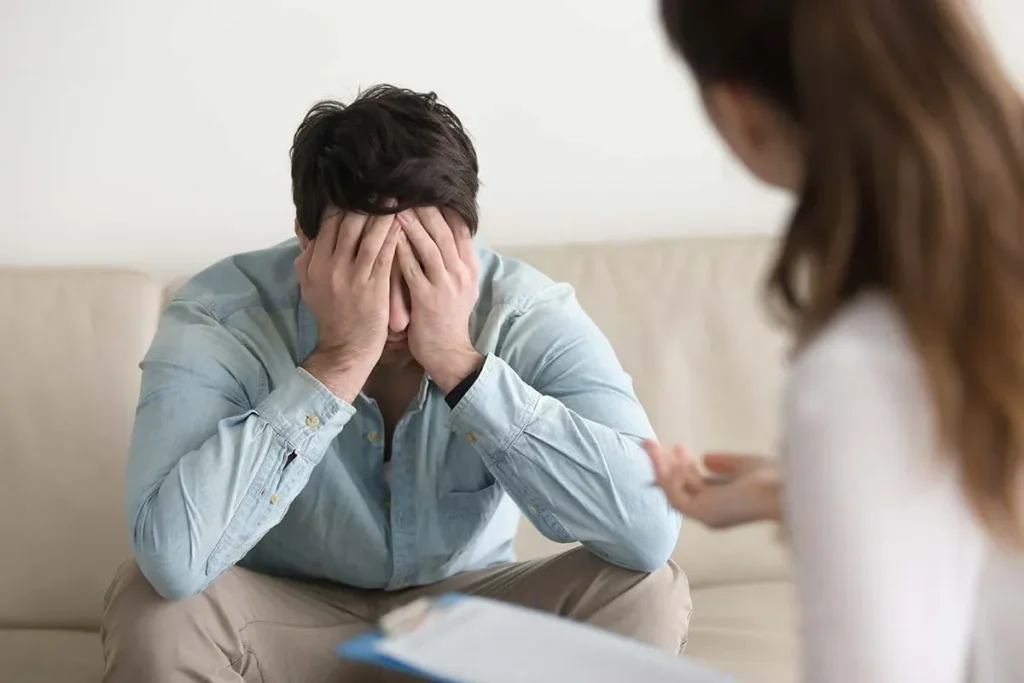
Phobias affect about 7.4 percent of people globally. They cause intense fear and make people avoid certain situations. This can really impact their daily life and happiness. But, there are ways to overcome these fears.
Using relaxation techniques and getting help from professional phobia therapy can help. These methods are backed by science and can lead to recovery.
Relaxation techniques for phobia help you face scary fears. Discover amazing, powerful methods to calm your body and achieve total mental peace.
GoldCity Center offers trusted care for phobia treatment. They use new and caring ways to help you face your fears. By learning relaxation techniques, you can manage your phobias and feel better overall.
Key Takeaways
Phobias are a common anxiety disorder affecting millions worldwide.
Relaxation techniques can be an effective way to manage phobias.
Professional phobia therapy can provide a pathway to recovery.
Combining relaxation techniques with therapy can lead to improved wellbeing.
GoldCity Center offers patient-centered care for phobia treatment.
Understanding Phobias and Their Treatment

Phobias are complex anxiety disorders that affect millions worldwide. They cause a lot of distress and make daily life hard. Each phobia is different, with its own set of challenges.
The Prevalence and Impact of Phobias
Phobias are very common mental health issues. They affect a lot of people at some point. If not treated, they can lead to avoiding things and a lower quality of life.
It’s important to understand how common and impactful phobias are. This helps in finding good ways to treat them.
Mysophobia and Other Common Phobia Types
Mysophobia is the fear of germs and contamination. It’s a specific phobia that can be treated well. Other common phobias include acrophobia (fear of heights), claustrophobia (fear of small spaces), and social phobia (fear of being in social situations).
Each phobia needs a treatment plan that fits it best.
Evidence-Based Approaches to Phobia Treatment
Good treatment for phobia uses several methods. These include exposure therapy and relaxation exercises. Cognitive-behavioral therapy (CBT) is also very effective.
CBT helps people change their thoughts and behaviors linked to their phobias. By using these methods, people can greatly improve their lives.
Learning about phobias and how to treat them is key. It helps people take charge of their mental health. By understanding these anxiety disorders and getting the right treatment, people can live a more fulfilling life.
5 Effective Relaxation Techniques for Phobia Treatment

Understanding and using relaxation techniques are key to treating phobias. These methods help people manage their fears and take back control of their lives.
Progressive Muscle Relaxation
Progressive Muscle Relaxation (PMR) helps by tensing and relaxing muscles. This reduces anxiety and promotes relaxation.
To start, sit comfortably. Tense your toes for a few seconds, then relax. Move up your body, tensing and relaxing each muscle group.
Deep Breathing Exercises
Deep Breathing Exercises are simple yet powerful. They calm the nervous system and reduce panic.
Sit with your back straight. Inhale slowly through your nose, hold for a few seconds, then exhale slowly through your mouth. Repeat several times, focusing on your breath.
Guided Visualization
Guided Visualization uses your imagination to create a peaceful place. It helps escape anxiety and find calm.
Find a quiet spot. Close your eyes and listen to a guided recording or imagine a safe place. Use all your senses to make it real, staying until you feel calm.
Systematic Desensitization
Systematic Desensitization involves facing fears gradually while using relaxation techniques. Research shows it’s very effective.
Make a list of situations that make you anxious, from mild to severe. Start with the least scary one. Use relaxation techniques to manage your anxiety. Move up the list, practicing relaxation at each step.
– Anxiety and Depression Association of America
Using these techniques daily can help overcome phobias. Remember, overcoming a phobia takes time and patience. Everyone’s journey is different.
Implementing Relaxation Techniques in Your Daily Routine
Adding relaxation techniques to your daily life is key to beating phobias. By doing this, you can handle your phobic reactions better. It helps you live a calmer life.
Creating a Consistent Practice Schedule
Consistency is essential for relaxation techniques to work. Pick a time each day for your chosen techniques. It could be progressive muscle relaxation in the morning or guided visualization at night.
Having a schedule helps make relaxation a habit. Begin with short sessions and grow them as you get more comfortable.
Combining Multiple Techniques for Maximum Benefit
Using more than one technique can make them more effective. For instance, start with deep breathing exercises to calm your mind. Then, do progressive muscle relaxation to release tension.
Try different mixes to see what works for you. Some people find guided visualization works better with systematic desensitization.
When to Seek Professional Guidance
If you’re having trouble with your phobias alone, it’s time for counseling for phobias. A mental health expert can offer tailored advice and support. They help you create a better treatment plan.
If you’re finding it hard to use relaxation techniques or if your phobias are affecting your daily life, get help. Professional advice is very helpful in overcoming phobias.
Conclusion: Overcoming Phobias Through Relaxation and Persistence
Beating phobias needs a mix of good relaxation methods and never giving up. Learning how to treat phobias and using relaxation techniques daily can help you overcome them. This way, you can live a life full of confidence and without anxiety.
Phobia treatment therapy, which includes relaxation techniques, works well to tackle phobias at their source. Sticking to a routine and using different techniques together can boost these therapies’ effects.
When you start fighting phobias, remember to keep going. The right attitude and support can help you find your inner strength. Begin your journey today and find a life free from phobia’s hold.
FAQ
What is the most effective way to treat a phobia?
The best way to treat a phobia is by mixing exposure therapy with relaxation methods. These include progressive muscle relaxation, deep breathing, and guided visualization.
How do relaxation techniques help in treating phobias?
Relaxation techniques lower anxiety and stress linked to phobias. This makes it easier for people to get used to the feared object or situation.
Can I overcome a phobia on my own?
You can make progress without help, but a therapist or counselor can offer better support. They can help you overcome your phobia more effectively.
What is systematic desensitization, and how does it work?
Systematic desensitization involves slowly facing the feared object or situation. You use relaxation techniques to handle the anxiety. This helps reduce the fear over time.
How long does it take to overcome a phobia using relaxation techniques?
Overcoming a phobia with relaxation techniques takes different times for everyone. It depends on the phobia’s severity and how often you practice. But, with regular effort, you can see big improvements quickly.
Can I combine multiple relaxation techniques for better results?
Yes, mixing different relaxation techniques can work well. For example, using deep breathing and guided visualization together can help manage anxiety and fight a phobia.
How do I know if I need professional help to treat my phobia?
If your phobia is affecting your daily life, or you’re not getting better on your own, it’s time to seek help. A therapist or counselor who specializes in phobias can offer the support you need.
What is mysophobia, and how is it treated?
Mysophobia is the fear of germs and contamination. It can be treated with exposure therapy and relaxation techniques. These include progressive muscle relaxation and deep breathing exercises.
Can relaxation techniques be used in conjunction with other phobia treatments?
Yes, you can use relaxation techniques with other treatments like exposure therapy and cognitive-behavioral therapy. This can make these treatments more effective.
References
National Center for Biotechnology Information. Evidence-Based Medical Insight. Retrieved from https://pubmed.ncbi.nlm.nih.gov/19941279/[web:3


