Skin discoloration is when the skin’s color, texture, or pigmentation changes. It can show up in anyone, from harmless marks to serious health issues.
Dark spots from the sun, acne scars, or melasma from hormones are common. But, there are treatments for these issues. Dermatologists say skin discoloration can be due to too much or too little pigment.
Knowing why and how to treat skin discoloration is key. At GoldCity Center, we offer top-notch dermatology care. We help you get back your natural glow.
How to remove skin discoloration for an even tone? Explore amazing and effective treatments to restore your skin’s natural, beautiful glow.
Key Takeaways
Identify the underlying causes of skin discoloration
Explore effective treatment options for hyperpigmentation and hypopigmentation
Discover the benefits of personalized dermatological care
Learn about the importance of sun protection in preventing skin discoloration
Understand the role of skincare routines in maintaining even-toned skin
Understanding Skin Discoloration Types and Causes
It’s important to know the types and causes of skin discoloration to find the right treatment. Skin discoloration can show up in different ways. It mainly falls into two categories: hyperpigmentation and hypopigmentation.
Hyperpigmentation vs. Hypopigmentation
Hyperpigmentation makes skin darker in some areas. It can happen due to hormonal changes, sun exposure, and inflammation. On the other hand, hypopigmentation causes lighter skin patches. This can be due to trauma or certain medical conditions. For more info on discolored skin patches, check out Healthline.
Knowing the difference between these two types is key. Hyperpigmentation means more melanin, while hypopigmentation means less.
Common Causes of Skin Discoloration
Skin discoloration can come from many things, including:
Hormonal changes
Too much sun exposure
Inflammatory skin conditions
Damage to the skin
Certain health conditions
Finding out what’s causing it is the first step to fixing it.
How Different Skin Types Are Affected
Skin discoloration can happen to anyone, but it looks different on everyone. For example, hyperpigmentation is more obvious in darker skin. Hypopigmentation is more visible in lighter skin. Knowing this helps in finding the right treatment.
Removing Skin Discoloration with Topical Treatments
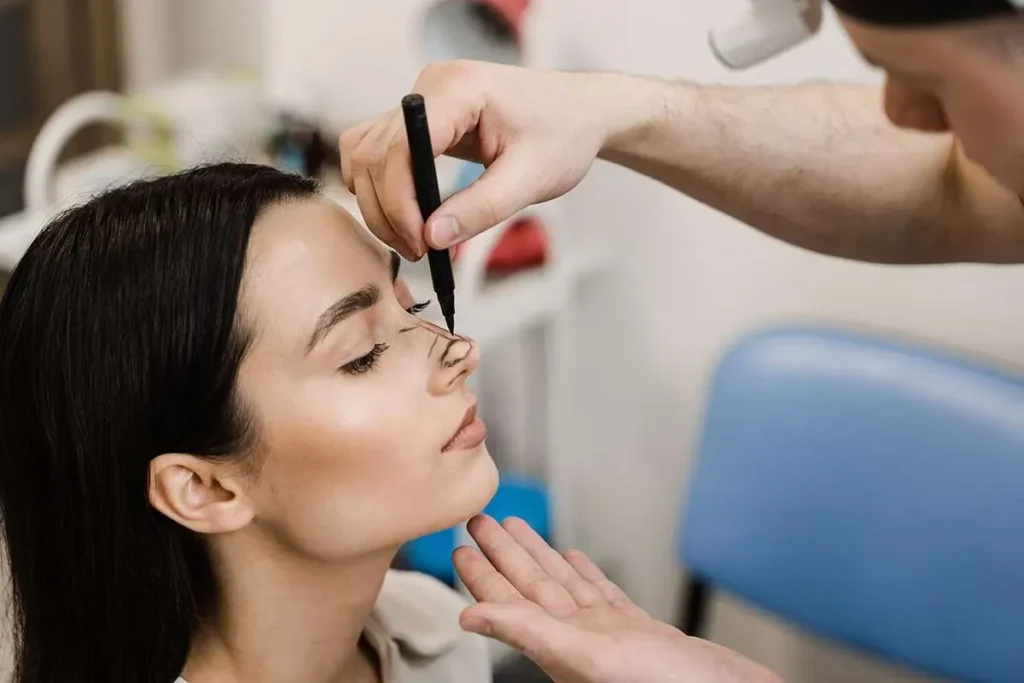
Topical treatments are key in fighting skin discoloration. They offer effective and easy-to-use solutions. These treatments can tackle different causes, like hyperpigmentation and hypopigmentation. This ensures a treatment plan that fits your skin perfectly.
Over-the-Counter Solutions
Many start with over-the-counter (OTC) solutions to tackle skin discoloration. Creams and serums with vitamin C, niacinamide, and licorice extract can brighten your skin. They work by stopping melanin production, reducing inflammation, and helping your skin renew itself.
Prescription-Strength Topical Medications
If OTC solutions don’t work, prescription-strength topical medications might be needed. These have stronger ingredients like hydroquinone, retinoids, or corticosteroids. They can tackle discoloration more aggressively. Always talk to a dermatologist to find the right prescription for your skin.
Natural and Home Remedies
Some prefer natural ways to fight skin discoloration. Home remedies like turmeric, aloe vera, and green tea are popular. They’re thought to have anti-inflammatory and antioxidant effects that can brighten your skin. But, their effectiveness can vary, so it’s best to use them after talking to a skincare expert.
Exploring these topical treatments can help you achieve a brighter, more even skin tone. Whether you choose OTC products, prescription meds, or natural remedies, there’s something for everyone. It’s all about finding what works best for your skin.
Professional Treatments for Skin Discoloration
Looking for a better way to deal with skin discoloration? Professional treatments might be what you need. They aim to fix the real causes of discoloration, giving you a brighter and more even skin tone.
Laser Therapy Options
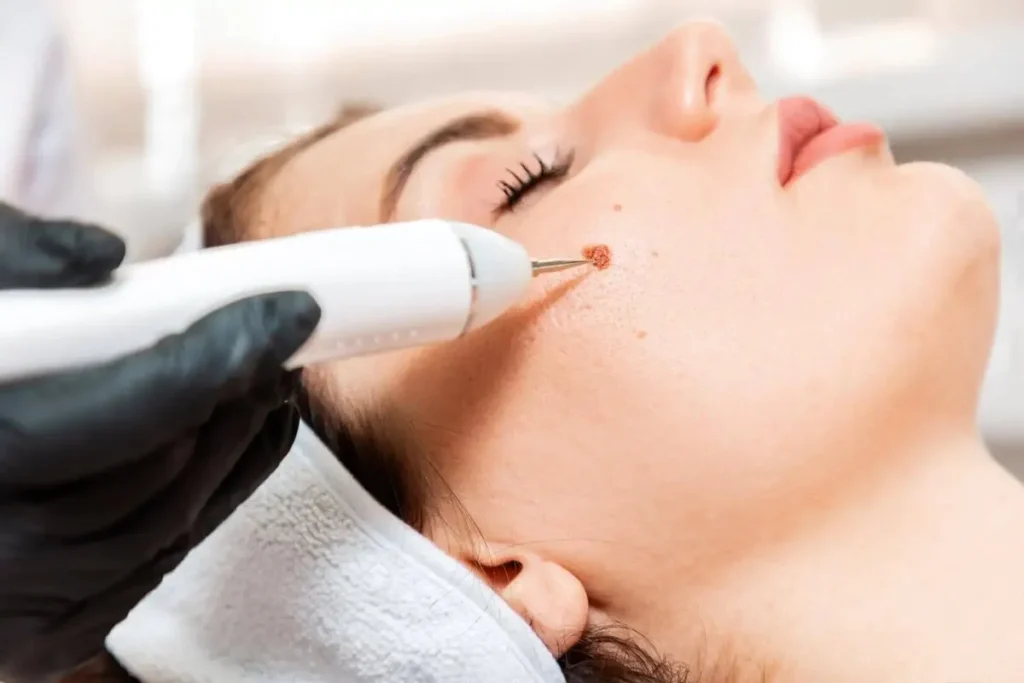
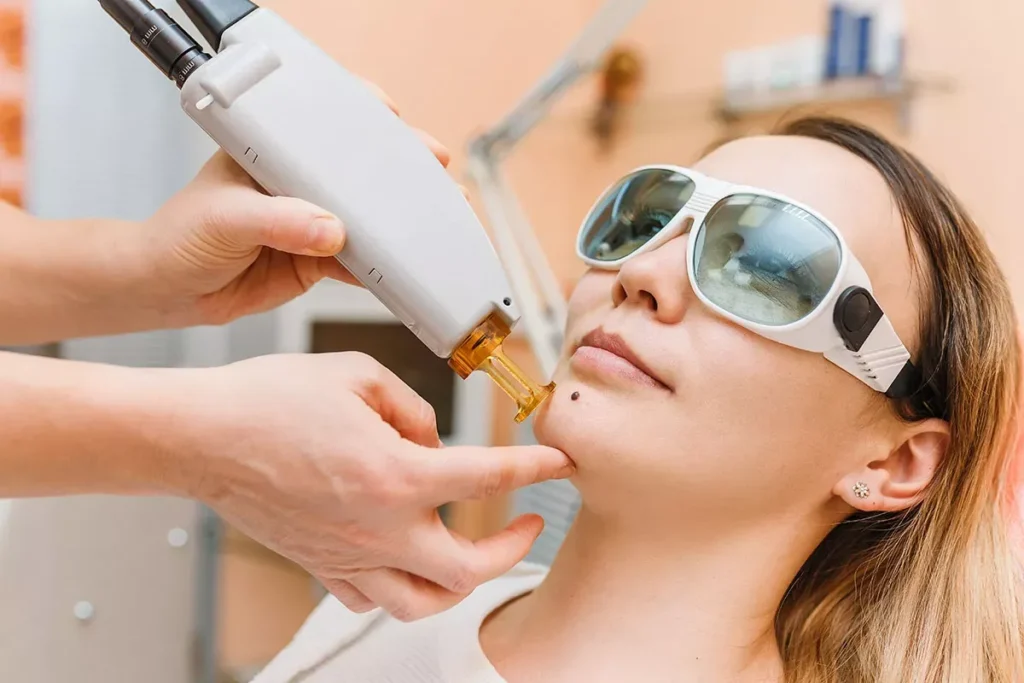
Laser therapy is a modern method that focuses on specific skin pigments. It helps lessen the look of discoloration. Laser treatments can be customized for different skin types and issues, making them a good choice for both hyperpigmentation and hypopigmentation.
Here are some benefits of laser therapy:
It precisely targets discolored spots
It’s a minimally invasive treatment with quick recovery
It works well on various skin types
Chemical Peels and Microdermabrasion
Chemical peels and microdermabrasion are well-liked for their ability to exfoliate and brighten the skin. Chemical peels apply a solution to remove the skin’s top layers, leading to a smoother and more even skin tone. Microdermabrasion, by contrast, uses fine crystals to gently remove dead skin cells, boosting cell turnover and collagen.
Both treatments can help reduce skin discoloration. Their benefits include:
Improved skin texture and tone
Less visible fine lines and wrinkles
Brighter skin
When to Consult a Dermatologist
Professional treatments can be very effective, but it’s key to talk to a dermatologist first. They can check your skin, find out why you have discoloration, and suggest treatments just for you.
Don’t wait to get professional advice if you have ongoing or serious skin discoloration. With the right help, you can look and feel your best.
Conclusion: Preventing Future Skin Discoloration
Keeping your skin bright is key. You’ve learned how to tackle discoloration, but the real trick is preventing it. A good skincare routine, sun protection, and proven treatments keep your skin looking even.
Dealing with skin discoloration is more than just fixing it. It’s about taking care of your skin for the long haul. Protect it from the sun, use strong products, and stick to your treatment plan. This way, you’ll not only look great but feel confident too.
Your journey to glowing skin begins with knowing your skin and picking the right treatments. Follow the advice from this article and stick to your skincare plan. Say goodbye to discoloration and hello to a brighter you. Begin your journey today and discover the secret to flawless beauty.
FAQs
What is skin discoloration and what causes it?
Skin discoloration is when your skin tone changes, leading to lighter or darker patches. It can happen due to sun exposure, hormonal shifts, inflammation, or injuries.
How can I determine the underlying cause of my skin discoloration?
To find out why your skin is discolored, see a dermatologist. They will look at your skin, talk about your health history, and might do tests to figure it out.
What are the most effective topical treatments for skin discoloration?
Good topical treatments include over-the-counter items with vitamin C, retinol, and niacinamide. Prescription meds like hydroquinone also work well. Natural options like turmeric and aloe vera can help too.
Can professional treatments like laser therapy and chemical peels help with skin discoloration?
Yes, treatments like laser therapy, chemical peels, and microdermabrasion are very effective. They remove damaged skin, reduce melanin, and boost collagen.
How can I prevent future skin discoloration?
To avoid future discoloration, stick to a skincare routine, use sunscreen every day, and stay out of the sun. Wear protective clothes and use antioxidant and SPF products to protect your skin.
What is the best way to treat hyperpigmentation?
To treat hyperpigmentation, use a mix of topical treatments, professional procedures, and lifestyle changes. Retinoids, vitamin C, and niacinamide are good for the skin. Laser therapy and chemical peels can give better results.
Can skin discoloration be a sign of an underlying medical condition?
Yes, sometimes skin discoloration can signal a health issue like hormonal imbalances, autoimmune diseases, or nutritional problems. If you’re worried, talk to a dermatologist to check for any health issues.
How long does it take to see results from skin discoloration treatments?
Results from treatments vary. Topical treatments might take weeks to months to work. Professional treatments like laser therapy might need several sessions.
References
National Center for Biotechnology Information. Evidence-Based Medical Insight. Retrieved from https://pmc.ncbi.nlm.nih.gov/articles/PMC9165630/[3