

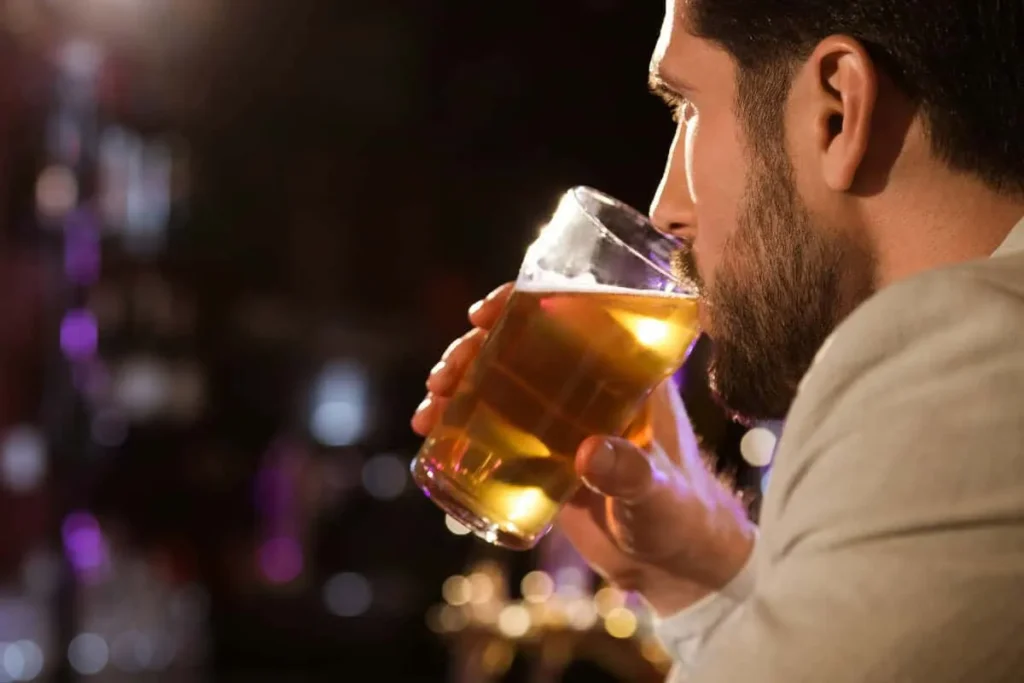
It’s important to know how alcohol affects your body right after you drink it. This knowledge helps you make better choices for your health.
Alcohol works as a depressant on the central nervous system. It impacts many parts of your body at once.
Too much alcohol can harm your health right away. It affects not just your liver but also your brain, gut, pancreas, lungs, heart, and immune system.
Drinking too much can seriously harm your health. It can cause many changes, some mild and others severe.
Key Takeaways
Alcohol acts as a central nervous system depressant.
Immediate effects of alcohol impact multiple body systems.
Excessive drinking can lead to serious health issues.
Alcohol affects various organs beyond the liver.
Understanding alcohol’s effects can inform health decisions.
How Alcohol Works in Your System

It’s important to know how alcohol affects the body. This knowledge helps us understand its short-term effects. Alcohol starts its work in the brain.
The Science Behind Alcohol as a Depressant
Alcohol is a depressant because it slows down the brain and body. At first, it can make you feel relaxed and less anxious. But, drinking more can make you more impaired.
Alcohol messes with the brain’s communication. This can change how you feel and act. It makes it harder to think and move well.
How Blood Alcohol Concentration Affects Impairment
Blood Alcohol Concentration (BAC) shows how much alcohol is in your blood. As BAC goes up, so does how much you’re affected. At higher levels, alcohol’s effects get worse, affecting judgment and how well you can react.
The effect of BAC isn’t the same for everyone. Things like body weight and how fast you drink can change how much alcohol affects you.
Remember, alcohol’s effects don’t stop right after you drink. How your body reacts to alcohol can be different for everyone. It’s key to know your limits and the risks of drinking.
Short and Long Terms of Alcohol: Brain and Nervous System Effects

The brain is very sensitive to alcohol, which can disrupt how it communicates. This affects mood, behavior, and thinking. Alcohol misuse can lead to peripheral neuropathy, causing numbness in arms and legs, and painful sensations in the feet. The National Institute on Alcohol Abuse says alcohol can also damage nerves, leading to heart problems, low blood pressure, diarrhea, and erectile dysfunction.
Effect #1: Impaired Coordination and Motor Skills
Drinking alcohol can make it hard to coordinate and move. This is because alcohol affects the cerebellum, which controls movement. People may find it hard to balance and walk, which raises the risk of accidents.
Effect #2: Reduced Judgment and Decision-Making
Alcohol can also mess with the brain’s prefrontal cortex. This part is key for making good choices and assessing risks. With alcohol, people might take risks without thinking about the consequences, leading to dangerous situations.
Effect #3: Memory Impairment and Blackouts
Alcohol can also hurt memory, from small problems to complete blackouts. During a blackout, someone might not remember anything new, even if they seem fine. This shows how alcohol deeply affects the brain.
Knowing these effects can help reduce the risks of drinking. By understanding how alcohol impacts the brain and nervous system, people can make better choices about drinking.
Physical Body Responses to Alcohol
Alcohol doesn’t just affect the brain; it also impacts the body’s physical abilities. It’s important to know how drinking affects us physically, focusing on the short-term effects of drinking.
Changes in Vision and Balance
Drinking alcohol can quickly affect our vision and balance. It can cause blurred vision, double vision, and slower reaction times. This happens because alcohol messes with the inner ear, which helps us stay balanced.
As alcohol impairs the body’s ability to maintain balance, people might feel dizzy or have vertigo. This can raise the chance of accidents and injuries, making it a big concern for those who drink.
Temporary Immune System Suppression
Alcohol also weakens the immune system. Drinking a lot can slow down the body’s fight against infections, even up to 24 hours later. Heavy alcohol use can harm the immune system, making us more likely to get sick.
Knowing these short-term alcohol effects helps us understand the dangers of drinking. By understanding how alcohol affects our bodies, we can make better choices about drinking.
Conclusion: Understanding and Managing Alcohol’s Short-Term Effects
Knowing how alcohol affects us can help us drink smarter. It lets us make choices about how much we drink. This way, we can avoid health problems.
Drinking less is good for our health. It lowers the chance of getting sick, including cancer. Knowing the short-term effects, like being less coordinated, can help us stay healthy.
It’s important to control how much we drink. Being aware of alcohol’s effects helps us stay healthy. This way, we can enjoy drinking without harming our health.
FAQ
What are the short-term effects of drinking alcohol?
Drinking alcohol can make you less coordinated and reduce your judgment. It also affects your memory and vision. Your balance and immune system may suffer too.
How does alcohol act as a depressant in the body?
Alcohol slows down your brain and nervous system. This can make you feel relaxed but also less sharp. It impacts your coordination and thinking.
What happens when blood alcohol concentration increases?
As alcohol levels rise, you’ll get worse. You might react slower, make poorer choices, and face higher risks of accidents.
Can alcohol affect my memory?
Yes, alcohol can harm your memory, causing blackouts at high doses. It messes with how your brain stores memories.
How does alcohol impact my immune system?
Alcohol weakens your immune system, making you more prone to sickness. It affects how immune cells, like white blood cells, work.
What are some immediate effects of drinking alcohol?
Drinking alcohol can change how you see and balance. It also makes you less coordinated and quick to react. You might feel relaxed but less sharp.
Can I reduce the short-term effects of alcohol?
You can lessen alcohol’s effects by drinking less, staying hydrated, and eating before or while drinking.
How can I manage my alcohol consumption?
To control your drinking, know your limits and drink responsibly. Be aware of the dangers of too much drinking. If you struggle, consider getting help.
References
National Center for Biotechnology Information. Evidence-Based Medical Insight. Retrieved from https://pubmed.ncbi.nlm.nih.gov/18768232/


