As we get older, our skin changes a lot. It makes less collagen and elastin, making it thinner and more fragile. This natural change can be sped up by many things, making us lose our glow and beauty.
Medical Expert, “The thinning of the skin as we age is due to a natural decline in collagen and elastin production.” Knowing what makes skin thinning happen is key to finding good treatments and keeping our skin looking young.
GoldCity Center focuses on the patient, using the latest medical methods and care. They help people deal with skin thinning with proven treatments. This way, people can start their journey to a luxury transformation and find their inner glow.
Discover thin skin causes and amazing solutions. Learn powerful ways to protect your body from scary tearing and keep skin healthy and strong.
Key Takeaways
Understanding the causes of thin skin is key to treating it well.
A drop in collagen and elastin production leads to skin thinning.
GoldCity Center offers care focused on the patient for skin thinning treatments.
Proven treatments can help bring back a radiant glow.
Being proactive helps people take charge of their skin health.
Understanding Thin Skin Causes
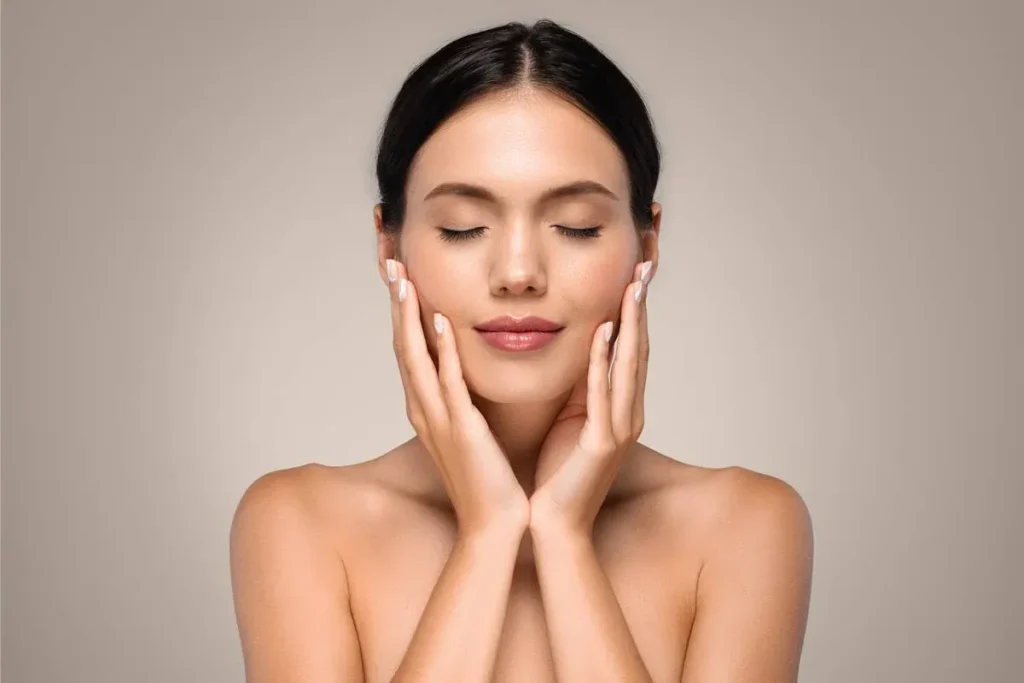
As we get older, our skin changes in ways that make it thinner and less strong. This change is mainly because of how our bodies make collagen and the effects of aging.
The Biology of Collagen Production
Collagen is key for our skin’s strength and flexibility. The production of collagen is a complex process involving the synthesis of collagen fibers. With age, our bodies make less collagen, about 1% less each year after 20. This drop in collagen is a big reason why our skin gets thinner.
Intrinsic vs. Extrinsic Aging Factors
There are two types of aging factors that make skin thinner. Intrinsic aging comes from our genes and hormones. Extrinsic aging is caused by things outside of us, like UV rays and smoking.
Knowing about these factors helps us find ways to fight skin thinning. By tackling both types of aging, we can keep our skin healthier and more resilient.
How Thin Skin Affects Different Body Areas
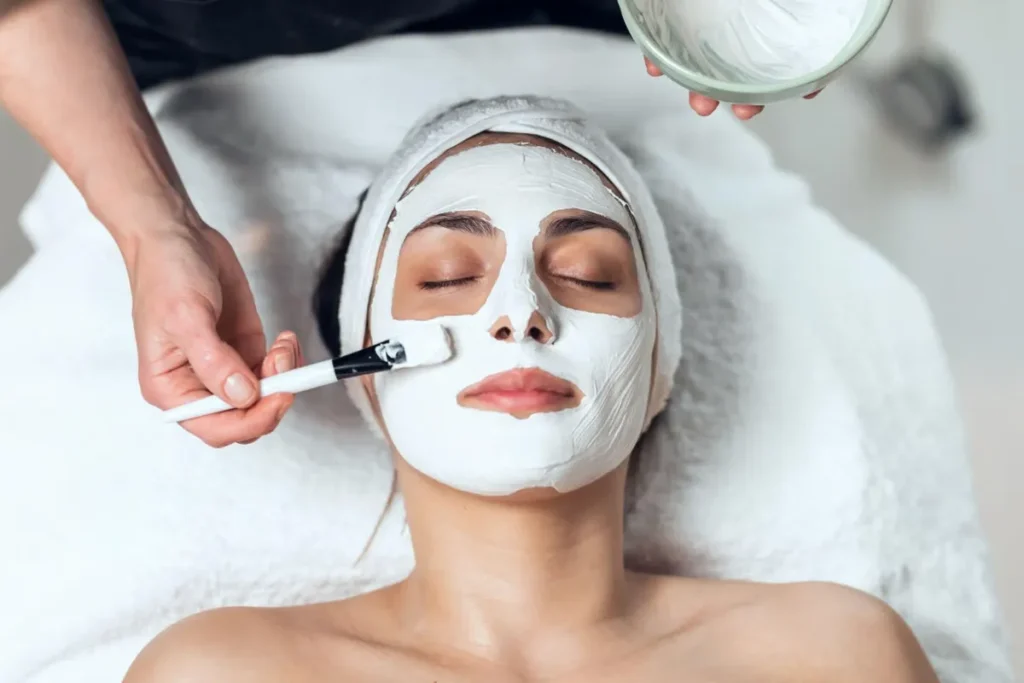
Aging and hormonal changes can make skin thinner in areas like the face, neck, and hands. This affects how our skin looks and feels. As we get older, our skin makes less collagen and elastin. This makes it thinner and more prone to damage.
Facial and Nasal Skin Thinning
Thin skin on the face, like around the nose, can cause problems. These include visible veins, easy bruising, and a higher risk of skin tears. The nose area is very delicate, which worries many people.
Neck and Hand Vulnerability
The neck and hands are also at risk for thin skin. This is because they face the environment and age naturally. Thin skin on the neck can make it look less firm and show wrinkles. Thin skin on the hands can show veins and age spots.
Hormonal Impact: Menopausal Skin Changes
Hormonal changes, like those during menopause, really affect skin health. Women can lose up to 30% of their skin collagen in the first five years after menopause. This makes the skin thinner and more fragile.
It’s important to know how thin skin affects different parts of the body. This helps us create better skincare routines and treatments. By focusing on each area’s needs, we can keep our skin healthier and more resilient.
Effective Treatments for Thin Skin
Learn about the latest ways to treat thin skin. From new medical treatments to special creams, there are many options. Thin skin can be tough, but with the right treatment, you can see big improvements.
Medical Interventions and Prescription Options
For serious thin skin, doctors have effective treatments. Retinoids, made from vitamin A, help make the skin thicker. They also make the skin look smoother and reduce wrinkles.
A top dermatologist says, “Retinoids are key for thin skin. They boost collagen and make the skin more elastic.”
Topical Solutions and Skincare Ingredients
Topical creams are also vital for thin skin. Vitamin C and hyaluronic acid keep the skin moist and elastic. Vitamin C serums are great because they protect the skin from damage.
Preventative Measures and Lifestyle Modifications
Preventing thin skin is just as important as treating it. Protect your skin from the sun, eat well, and don’t smoke. Also, use gentle skincare and avoid harsh chemicals.
Adding natural ingredients to your skincare routine is smart. It boosts treatment results and keeps your skin healthy.
Conclusion
It’s important to know what causes skin thinning. Thin skin happens when the skin’s layers get thinner. This can be due to aging or other factors.
Spotting the signs of thin skin is the first step to better skin health. By understanding thin skin and using the right treatments, you can look younger and brighter. A good skincare routine is key to fighting thin skin.
Starting your beauty journey means embracing change. Knowing why skin thins and using the right skincare can make you look ageless. Your skin is worth the effort, and with the right tips, you can shine with confidence.
FAQ
What are the main causes of thin skin?
Thin skin happens when your body makes less collagen and elastin. This can be due to aging inside your body or from outside factors like UV rays and smoking.
How does hormonal change during menopause affect skin thickness?
Hormonal shifts in menopause can make your skin thinner. It’s important to find good treatments and skincare routines to deal with this.
What are the most effective treatments for thin skin on the face and neck?
Using retinoids, vitamin C serums, and hyaluronic acid can help. They boost collagen, make your skin more elastic, and lessen wrinkles on your face and neck.
Can thin skin be prevented or is it inevitable with age?
While some thinning is natural with age, you can slow it down. Protect your skin from UV rays, eat well, and use good skincare to help.
What are the signs of thinning skin, and how can I identify them?
Thin skin shows as bruising, tearing, and age spots. Look out for these on your face, neck, and hands.
Are there any medical interventions available for treating thin skin?
Yes, doctors can prescribe treatments like retinoids. These can help your skin and make it thicker.
How can I care for thin skin on my hands?
For thin skin on your hands, use gentle products and wear gloves. Apply moisturizers to keep your skin hydrated.
Is skin thinning a sign of an underlying health issue?
Sometimes, thin skin can mean a health problem like a collagen disorder. If you’re worried, talk to a doctor.
Can lifestyle modifications help prevent or reduce thin skin?
Yes, living healthy can help your skin. Eat right, exercise, and get enough sleep to keep your skin looking good.
What are the benefits of using hyaluronic acid for thin skin?
Hyaluronic acid keeps your skin moist, makes it more elastic, and reduces wrinkles. It’s great for thin skin.
References
National Center for Biotechnology Information. Evidence-Based Medical Insight. Retrieved from https://pubmed.ncbi.nlm.nih.gov/3987864/