

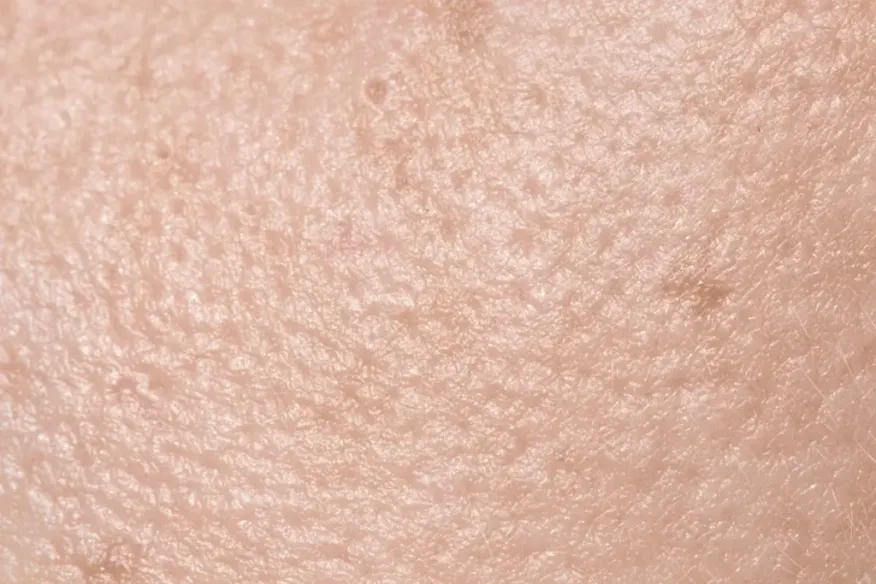
Unlock your inner glow with our guide on uneven skin texture. Over 80% of adults face skin texture concerns at some point. This is often due to aging, sun damage, acne scarring, and loss of collagen elasticity.
Achieving a smooth, radiant complexion is possible without harsh products or in-office treatments. The right skincare routine and cutting-edge products can make a big difference.
GoldCity Center offers personalized treatment recommendations. These are backed by the latest research and skincare protocols. You’ll get the best care for your specific skin concerns.
Uneven skin texture treatment offers amazing, smooth results. Use powerful methods to erase scary bumps and achieve a beautiful, radiant look.
Key Takeaways
Understand the causes of uneven skin texture
Discover 7 dermatologist-backed, at-home solutions
Learn how to achieve a smoother, more radiant complexion
Explore the latest in cutting-edge skincare and innovative formulas
Find out how to personalize your skincare routine for optimal results
Understanding Uneven Skin Texture

Many people want to fix texture issues and large pores. Research shows we need to know why these problems happen.
Common Causes of Textural Irregularities
Uneven skin can come from aging, not drinking enough water, and dead skin cells. UV damage, harsh products, clogged pores, and bad skincare habits also play a part. Finding the cause is key to the right treatment.
“The skin’s texture shows its health,” a top dermatologist notes. “Good care makes it smooth and bright.” Sun and stress can make skin look bad.
How Uneven Texture Manifests on Different Skin Areas
Texture issues show up in different ways on different parts of the body. On the face, it’s big pores or rough spots. On the back, it’s bumpy skin with keratosis pilaris. Knowing this helps target treatments.
To fix bumpy uneven skin texture, use a gentle skincare routine. This includes exfoliating, hydrating, and protecting your skin. This way, you can make your skin look better and get a radiant glow.
There are many ways to tackle uneven skin texture. You can try home skincare or see a dermatologist. The goal is to find what works best for you.
Effective At-Home Uneven Skin Texture Treatments

Improving uneven skin texture is possible with the right at-home care. Adding a few simple steps to your skincare routine can make your skin smoother and more radiant.
Retinoids for Cellular Turnover and Collagen Production
Retinoids are vitamin A derivatives that boost cell turnover and collagen. They help remove dead skin cells, making your skin brighter and smoother. Regular use also boosts collagen, keeping your skin elastic and firm.
Begin with a low concentration of retinoids to avoid irritation. Gradually increase as your skin gets used to it. Use them at night to protect your skin from the sun.
Chemical Exfoliants (AHAs and BHAs)
Chemical exfoliants like AHAs and BHAs are great for skin texture. AHAs, such as glycolic acid, remove dead cells and promote new growth. BHAs, like salicylic acid, clear pores and reduce inflammation.
Choose products that fit your skin type and concerns. Start with a low concentration and gradually increase as your skin adapts.
Hydrating and Texture-Correcting Serums
Hydrating serums keep your skin hydrated and improve texture. Ingredients like hyaluronic acid and glycerin lock in moisture. Texture-correcting serums target specific issues like fine lines and uneven tone.
When picking a serum, consider your skin type and concerns. Apply to damp skin for better absorption.
Professional Treatments for Significant Texture Improvement
For those looking for big changes in skin texture, professional treatments are a strong option. Home treatments work well for small issues, but bigger problems need expert help and advanced tools.
Treatments like microneedling, laser resurfacing, microdermabrasion, and chemical peels tackle deep issues. They boost collagen, remove old skin, and make skin smoother. This leads to a glowing, luxurious look.
Microneedling for Collagen Induction
Microneedling uses tiny needles to create small injuries in the skin. This sparks collagen production and skin renewal. It helps with acne scars, pores, and texture, making skin smoother and brighter.
The benefits of microneedling include:
Increased collagen production
Improved skin texture and tone
Reduced appearance of acne scars and fine lines
Laser Resurfacing Procedures
Laser resurfacing is great for deep texture issues and sun damage. It uses laser tech to remove old skin, showing smoother, brighter skin.
The advantages of laser resurfacing include:
Targeted treatment of deep texture issues
Improved skin texture and tone
Enhanced collagen production
Microdermabrasion Benefits
Microdermabrasion is a gentle exfoliating treatment. It removes surface buildup for immediate smoothness. It’s perfect for quick, effective fixes for dull skin.
Microdermabrasion benefits include:
Immediate smoothness and brightness
Improved skin texture and tone
Enhanced skin clarity
Professional Facials for Large Pores and Uneven Tone
Professional facials are custom treatments for specific skin problems. They use various methods and products for a luxurious, personal experience.
Adding these professional treatments to your skincare routine can lead to big improvements in skin texture and look.
Conclusion: Creating Your Personalized Skin Texture Improvement Regimen
Starting your journey to smoother skin takes time and effort. By using home treatments and professional help when needed, you can see lasting changes. Say goodbye to uneven skin texture and hello to a radiant glow.
To fix your skin texture, stick to your skincare routine. This article has shown you many ways to improve your skin. From retinoids to laser treatments, there’s a lot you can do to enhance your skin.
Understanding your skin’s needs is the first step to beauty. Choose the right treatments and products for your skin. This will help you unlock your natural glow and own your beauty. With dedication and the right approach, you can achieve the radiant skin you’ve always wanted.
FAQ
What causes uneven skin texture?
Uneven skin texture comes from many things. It includes aging, dehydration, and dead skin cells. UV damage, harsh products, and clogged pores also play a part. Plus, not sticking to a skincare routine can affect it too.
How can I improve my skin texture at home?
To better your skin at home, start with a healthy lifestyle. Eat well, drink plenty of water, sleep enough, and exercise. Also, exfoliate weekly, use retinoids, and apply hydrating serums.
What are the benefits of using retinoids for skin texture?
Retinoids boost cell turnover and collagen. This makes your skin look better and glow more.
How do chemical exfoliants improve skin texture?
Chemical exfoliants like AHAs and BHAs clear dead skin cells. They make your skin smoother and help new cells grow.
What professional treatments are available for significant texture improvement?
For big changes, try microneedling, laser treatments, microdermabrasion, and facials. They can fix pores, tone, and texture, giving you glowing, smooth skin.
How can I achieve a smoother skin texture?
Mix home treatments like exfoliation and retinoids with professional options. Keep your skincare routine consistent for the best results.
What is the role of hydration in improving skin texture?
Hydration is key for smooth skin. It plumps up your skin, making fine lines and wrinkles less noticeable.
Can uneven skin texture be a sign of underlying skin concerns?
Yes, uneven skin can hint at deeper issues like acne, dark spots, or dryness. The right skincare and treatments can fix these problems.
How long does it take to see improvements in skin texture?
Seeing skin texture improvements varies. It depends on your skin issues and how well you care for it.
References
Skin quality can be described using four emergent perceptual categories (EPCs): skin tone evenness, skin surface evenness, skin firmness, and https://pmc.ncbi.nlm.nih.gov/articles/PMC12374567/


