Reaching the 2 weeks post hair transplant stage is a pivotal moment in the journey toward fuller, natural‑looking hair. At this point, the scalp has moved beyond the initial scabbing phase, and early signs of graft survival begin to appear. Understanding the processes that occur during this period helps patients manage expectations, reduce anxiety, and follow the best after‑care practices.
Statistics from leading hair restoration clinics show that up to 95% of grafts remain viable when proper post‑operative care is followed, highlighting the importance of disciplined recovery routines. However, many patients still wonder whether itching, redness, or temporary hair shedding are normal, and when they can anticipate visible growth.
This article walks you through the biological events happening at the two‑week mark, offers practical scalp‑care guidelines, addresses common concerns, and outlines the follow‑up schedule you can expect from a professional clinic like Gold City Medical Center. Whether you chose a follicular unit extraction (FUE) method or a traditional strip procedure, the principles below apply.
Early Healing Phase: What Happens at the Two‑Week Mark
During the 2 weeks post hair transplant period, the scalp transitions from the inflammatory stage to the proliferative stage. The tiny crusts that formed over each graft typically fall off, revealing tiny pink dots where the follicles reside. This is often referred to as “shedding” and is a sign that the transplanted hairs are entering the resting phase (telogen) before new growth begins.
Key indicators of normal healing include:
- Redness that gradually fades within a few days.
- Mild itching as the skin regenerates.
- Scab detachment without force.
- Temporary shedding of transplanted hairs.
If you notice excessive swelling, pus, or intense pain, it may signal an infection and warrants immediate medical attention.
At this stage, the hair transplant procedure has already set the foundation for future growth. The grafts are now anchored, and the blood supply is re‑establishing, which is crucial for the longevity of the transplant.
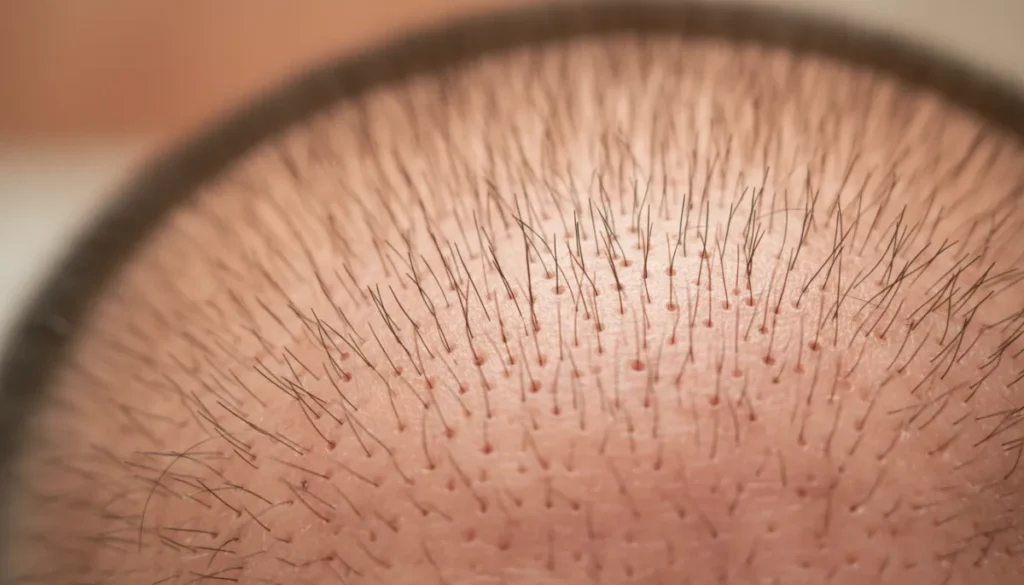
Caring for Your Scalp: Practical Tips for the 2‑Week Recovery
Proper after‑care dramatically influences graft survival during the 2 weeks post hair transplant window. Below is a concise checklist to help you maintain an optimal environment for healing.
| Do | Don’t |
|---|---|
| Gently rinse with lukewarm saline solution twice daily. | Scrub or use harsh shampoos on the graft sites. |
| Apply prescribed topical antibiotics as directed. | Expose the scalp to direct sunlight for prolonged periods. |
| Sleep with the head elevated (30‑45 degrees) to reduce swelling. | Wear tight hats or headgear that may rub against the grafts. |
| Stay hydrated and maintain a balanced diet rich in vitamins A, C, and E. | Consume alcohol or smoke, which can impede blood flow. |
In addition to the checklist, consider these supplementary measures:
- Hair transplant recovery supplements containing biotin and zinc can support follicle health.
- Cold compresses (no ice directly on skin) for 10 minutes, three times a day, help control swelling.
- Avoid strenuous exercise that induces heavy sweating for at least ten days.
Adhering to these guidelines minimizes the risk of graft displacement and promotes faster re‑epithelialization.
When to Expect Visible Growth: Understanding Hair Follicle Development
Most patients wonder when the first new hairs will become noticeable after the 2 weeks post hair transplant phase. The answer lies in the natural hair cycle. After shedding, transplanted follicles enter the anagen (growth) phase, typically around weeks 3‑4, but visible strands often appear between weeks 6‑12.
Below is a simplified timeline of follicle development:
- Weeks 1‑2: Scab fall‑off, initial shedding.
- Weeks 3‑4: Early anagen; microscopic hairs may be seen.
- Weeks 6‑12: Visible hair growth; hair may be fine and colorless initially.
- Months 4‑6: Thickening and natural pigmentation.
- Months 9‑12: Full maturation and final density.
Understanding this progression helps set realistic expectations. The FUE hair implantation technique often yields quicker initial shedding, but the ultimate density is comparable to strip methods when performed by experienced surgeons.
Patience is essential; the hair follicles need time to establish a robust blood supply before producing sturdy shafts. Regular follow‑up visits allow your clinician to monitor progress and intervene if any anomalies arise.
Common Concerns and How to Address Them After Two Weeks
Even with meticulous care, patients may experience discomfort or uncertainty during the 2 weeks post hair transplant period. Below are the most frequent concerns and evidence‑based solutions.
| Concern | Recommended Action |
|---|---|
| Itching | Apply a prescribed mild steroid lotion; avoid scratching. |
| Redness or mild swelling | Use cold compresses; keep head elevated while sleeping. |
| Shedding of transplanted hairs | Recognize it as normal telogen shedding; continue care routine. |
| Signs of infection (pus, severe pain) | Contact your clinic immediately for antibiotics or further evaluation. |
Other minor issues include dryness and mild crust formation. A light, fragrance‑free moisturizer can alleviate dryness, but always verify with your surgeon before adding new products.
Remember that the hair grafts for men and women undergo the same biological processes; the key differentiator is the individualized after‑care plan tailored to each patient’s scalp condition.
Planning Your Follow‑Up Appointments and Long‑Term Results
Strategic scheduling of follow‑up visits ensures that any deviations from the expected healing curve are caught early. Typically, after the 2 weeks post hair transplant check‑in, patients are advised to return at 1 month, 3 months, 6 months, and 12 months.
During each appointment, the surgeon evaluates:
- Graft survival rate using dermatoscopic imaging.
- Scalp health, looking for signs of infection or excessive inflammation.
- Early hair growth patterns and density distribution.
- Patient compliance with after‑care instructions.
The table below outlines a typical follow‑up schedule with key focus areas:
| Visit | Timing | Focus |
|---|---|---|
| Initial Post‑Op | Day 7‑10 | Scab removal, infection check. |
| Two‑Week Review | Week 2 | Assess shedding, reinforce care regimen. |
| One‑Month Check | Week 4 | Early growth observation, address concerns. |
| Three‑Month Evaluation | Month 3 | Density measurement, possible touch‑up planning. |
| Six‑Month Milestone | Month 6 | Assess maturation, discuss final results. |
| One‑Year Review | Month 12 | Long‑term outcome, patient satisfaction. |
Gold City Medical Center follows this protocol, offering personalized guidance at each stage to maximize the success of your hair transplant surgery. Consistent communication between you and the clinic is the cornerstone of a satisfactory outcome.
Why Choose Gold City Medical Center
Gold City Medical Center combines cutting‑edge technology with a holistic approach to hair restoration. Our team of board‑certified surgeons specializes in both follicular unit extraction and classic strip methods, tailoring each procedure to the individual’s anatomy and aesthetic goals. We prioritize patient safety, transparent communication, and evidence‑based after‑care protocols that have consistently yielded high graft survival rates. By integrating medical expertise with aesthetic sensibility, we ensure that every client receives a natural‑looking, lasting result.
Ready to start your transformation? Contact Gold City Medical Center today to schedule a personalized consultation and take the first step toward confident, lasting hair growth.
Our experts are here to guide you through every phase, from the initial assessment to the final reveal.
FAQ
What are the normal signs of healing two weeks after a hair transplant?
At two weeks you should see scab detachment, mild itching, fading redness, and temporary shedding of transplanted hairs.
How should I care for my scalp during the two‑week recovery window?
Use lukewarm saline rinses, apply prescribed antibiotics, keep your head elevated while sleeping, stay hydrated, and avoid harsh shampoos or direct sunlight.
When can I expect to see visible hair growth after the two‑week mark?
Visible hairs usually appear between weeks 6‑12, with microscopic growth starting around weeks 3‑4.
What are common concerns at two weeks and how can I address them?
Itching, mild redness, shedding, and signs of infection are common; use prescribed lotions, cold compresses, and contact your clinic if infection signs appear.
How often should I schedule follow‑up appointments after the two‑week review?
Typical follow‑ups are at 1 month, 3 months, 6 months, and 12 months post‑procedure.
Why choose Gold City Medical Center for my hair transplant?
Gold City offers board‑certified surgeons, both FUE and strip techniques, personalized after‑care, and a proven follow‑up protocol.





