The period 6 months after hair transplant is a pivotal checkpoint for anyone who has undergone follicular unit extraction (FUE) or strip harvesting. By this stage, the transplanted follicles have typically entered the active growth phase, and patients can start to see meaningful density improvements. Understanding the milestones, common concerns, and optimal care strategies at this point can help you maximize results and avoid setbacks.
According to clinical observations, most patients notice a noticeable increase in hair thickness between the fourth and sixth month, with the majority of grafts shedding their initial “shock loss” and beginning to produce new shafts. This transition often coincides with a shift in post‑procedure expectations: the focus moves from healing to fine‑tuning the aesthetic outcome.
In this article we will walk you through the typical growth pattern, address frequent questions such as “does new hair grow after 6 months of hair transplant,” and provide practical guidance on maintenance, lifestyle, and when to seek professional evaluation. Whether you are a first‑time recipient or a seasoned patient, the insights below will help you navigate the journey with confidence.
Typical Hair Growth Progress at Six Months
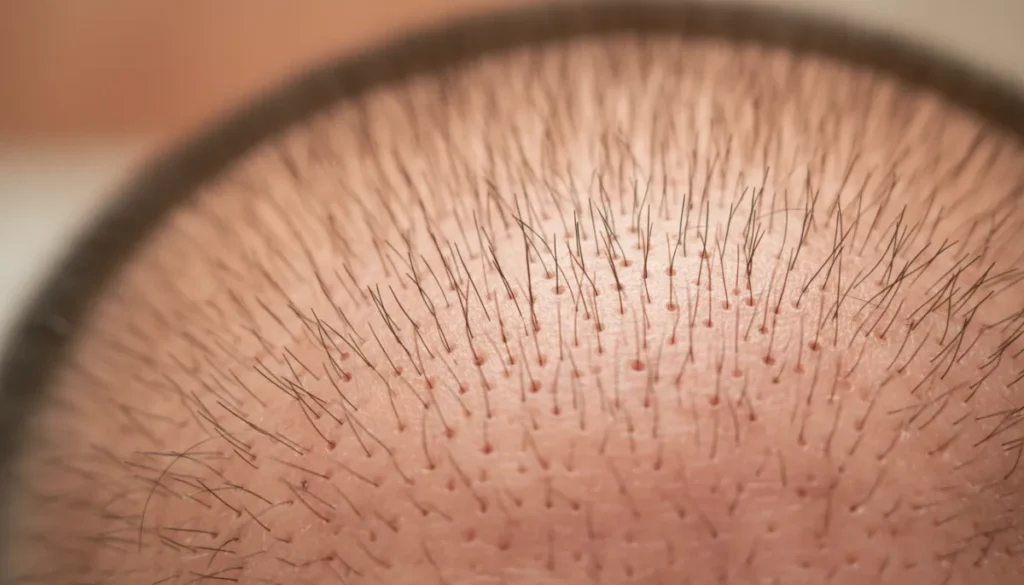
By the time you reach the six‑month mark, the hair follicles have usually completed the anagen (growth) phase that follows the initial telogen (resting) period. Most patients experience a gradual thickening of the transplanted area, with new hairs emerging in clusters that mirror natural growth patterns.
Early Shedding Phase
During weeks 2–4 post‑procedure, many grafts undergo “shock loss,” where the transplanted hairs fall out. This is a normal part of the hair transplant recovery timeline and should not be confused with treatment failure.
New Hair Emergence
From month 3 onward, the follicles re‑enter the growth cycle, producing fine, pigmented hairs that become progressively thicker. By month 6, you can expect:
- 30–50% increase in visible hair density compared with the three‑month checkpoint.
- Improved coverage in the frontal hairline and crown regions.
- Reduced visibility of scar tissue for strip‑harvest patients.
| Month | Typical Hair Density (follicles/cm²) | Key Observations |
|---|---|---|
| 1–2 | 10–15 | Initial shock loss, mild redness. |
| 3–4 | 20–30 | Early new growth, fine vellus hairs. |
| 5–6 | 35–45 | Noticeable thickening, natural texture. |
These figures are averages; individual results can vary based on graft count, donor quality, and adherence to post‑operative care.
Common Concerns and How to Address Them
Even with a smooth hair transplant healing process, patients often report questions about scalp sensations, itching, and the appearance of the grafts. Understanding these sensations helps differentiate normal healing from issues that require medical attention.
Scalp Sensitivity
Some individuals feel mild tenderness or a tingling sensation around the graft sites. This typically resolves within a few weeks. Applying a cool compress for 10‑15 minutes, a few times daily, can alleviate discomfort without disrupting the grafts.
Itching and Flaking
Itching is a common symptom during the third to fifth month, caused by the regeneration of the epidermal layer. Using a gentle, sulfate‑free shampoo and avoiding harsh scrubbing will minimize irritation.
- Do: Moisturize the scalp with a prescribed, non‑comedogenic serum.
- Don’t: Scratch or pick at scabs, as this can dislodge immature grafts.
| Concern | Typical Onset | Recommended Action |
|---|---|---|
| Persistent redness | Weeks 1‑2 | Cool compresses; consult if >2 weeks. |
| Itching | Month 3‑5 | Gentle shampoo; avoid scratching. |
| Visible graft loss | Any time | Contact surgeon immediately. |
Addressing these concerns promptly ensures that the post hair transplant experience remains comfortable and that the final aesthetic result is not compromised.
Maintaining Optimal Results: Care and Lifestyle
At six months, the foundation of your new hair is set, but long‑term success hinges on daily habits and targeted maintenance. Proper hair transplant aftercare can enhance graft survival and promote thicker, healthier growth.
Shampoo and Conditioning
Switch to a mild, pH‑balanced shampoo that cleanses without stripping natural oils. Follow with a lightweight conditioner to keep the hair shaft flexible. Avoid products containing sulfates, parabens, or alcohol, as they can irritate the healing scalp.
Nutrition and Supplements
Hair follicles thrive on a diet rich in protein, iron, zinc, and biotin. Incorporating foods such as lean poultry, legumes, nuts, and leafy greens supports keratin production. Some clinicians recommend a daily supplement containing biotin (5,000 µg) and vitamin D, especially for patients with known deficiencies.
- Drink at least 2 liters of water daily to maintain scalp hydration.
- Limit excessive caffeine and alcohol, which can affect circulation.
- Engage in moderate exercise to boost blood flow to the scalp.
| Do | Don’t |
|---|---|
| Use a soft pillowcase (silk or satin) to reduce friction. | Sleep on rough cotton fabrics that may tug at grafts. |
| Protect scalp from direct sun exposure with a hat. | Apply harsh chemical treatments (bleach, perms) before full recovery. |
| Schedule regular follow‑up appointments. | Ignore persistent itching or unusual redness. |
By integrating these habits, you reinforce the health of the transplanted follicles and set the stage for continued density gains beyond the six‑month horizon.
Long‑Term Outlook: When Will Full Results Be Visible?
While the six‑month checkpoint offers encouraging signs, the complete picture of a hair transplant often takes 12–18 months to fully manifest. Understanding the extended timeline helps set realistic expectations and encourages patience.
12‑Month Milestone
By the end of the first year, most grafts have entered a stable anagen phase, delivering consistent thickness and natural direction. Patients typically report a 60–80% improvement in overall coverage compared with pre‑procedure baselines.
18‑Month Peak
At 18 months, the transplanted hair reaches its maximum caliber and density. Any residual thinning is usually due to native hair loss patterns rather than transplant failure. At this stage, minor touch‑up procedures can be considered to address isolated gaps.
- Monitor hair density annually with a dermatologist.
- Consider low‑level laser therapy (LLLT) to sustain follicle vitality.
- Maintain a balanced diet and stress‑management routine.
| Time After Transplant | Expected Hair Characteristics |
|---|---|
| 6 Months | Fine vellus hairs, noticeable thickening. |
| 12 Months | Thicker shafts, natural texture, 60‑80% density. |
| 18 Months | Full maturation, stable density, final aesthetic result. |
Understanding this progression reassures patients that the journey does not end at six months; rather, it marks a significant stride toward the ultimate goal of lasting, natural‑looking hair.
When to Seek Professional Evaluation
Even with diligent care, some patients experience outcomes that fall outside the expected range. Recognizing red flags early ensures timely intervention and preserves the investment made in the procedure.
Signs of Suboptimal Growth
- Less than 20% increase in density by month 6.
- Persistent patchy areas that do not show new growth.
- Unusual scarring, infection, or prolonged redness.
Follow‑Up Appointments
Most clinics schedule a comprehensive evaluation at the six‑month point, followed by a 12‑month review. During these visits, the surgeon assesses graft survival, discusses any concerns, and may recommend adjunct treatments such as PRP (platelet‑rich plasma) or topical minoxidil.
| Issue | Recommended Action |
|---|---|
| Insufficient density | Consider PRP or a minor touch‑up session. |
| Infection signs | Begin prescribed antibiotics; see surgeon ASAP. |
| Excessive itching | Apply medicated scalp lotion; review with clinician. |
Prompt communication with your specialist ensures that any complications are managed before they affect the final outcome.
Why Choose Gold City Medical Center
Gold City Medical Center combines advanced integrative healthcare with a dedicated focus on hair restoration. Our team of board‑certified surgeons utilizes the latest FUE techniques, ensuring minimal scarring and maximal graft survival. By integrating medical, cosmetic, and wellness services, we provide a holistic pathway from consultation through long‑term maintenance, delivering consistent, natural‑looking results for each patient.
Ready to see the transformation for yourself? Contact Gold City Medical Center today to schedule a personalized consultation and take the next step toward confident, lasting hair growth.
FAQ
Does new hair grow after 6 months of a hair transplant?
Yes, most patients see new hair shafts emerging by the six‑month mark as follicles enter the active growth phase.
How long does it take to see the full results of a hair transplant?
Full results typically become apparent between 12 and 18 months after the procedure.
What are the most common concerns at six months post‑hair transplant?
Typical concerns include scalp sensitivity, itching, flaking, and questions about graft survival.
How should I care for my scalp after six months to maintain results?
Continue using mild, pH‑balanced shampoos, stay hydrated, protect from sun, and follow a balanced diet rich in hair‑supporting nutrients.
When should I seek professional evaluation after a hair transplant?
Schedule a professional review at the six‑month mark and contact your surgeon immediately if you notice red flags such as minimal density gain or persistent irritation.





