Age spots are small, flat, brownish patches that commonly appear on the skin as we get older. They are a natural sign of cumulative sun exposure and changes in melanin production, but they can also affect confidence and skin appearance. This article explains what causes age spots, how they are diagnosed, and the most effective ways to treat and prevent them, especially for those seeking professional care at Gold City Medical Center.
According to dermatological studies, up to 70% of adults develop visible pigmentation changes after the age of 40, with sun‑exposed areas such as the face, hands, and shoulders being the most affected. Understanding the underlying mechanisms helps patients choose the right treatment pathway.
We will explore the science behind these skin changes, review medical and natural treatment options, and share practical lifestyle tips to keep your skin looking youthful and even‑toned. Whether you are dealing with a few discreet spots or more extensive pigmentation, the information below will guide you toward safe, evidence‑based solutions.
Understanding Age Spots: Causes and Types
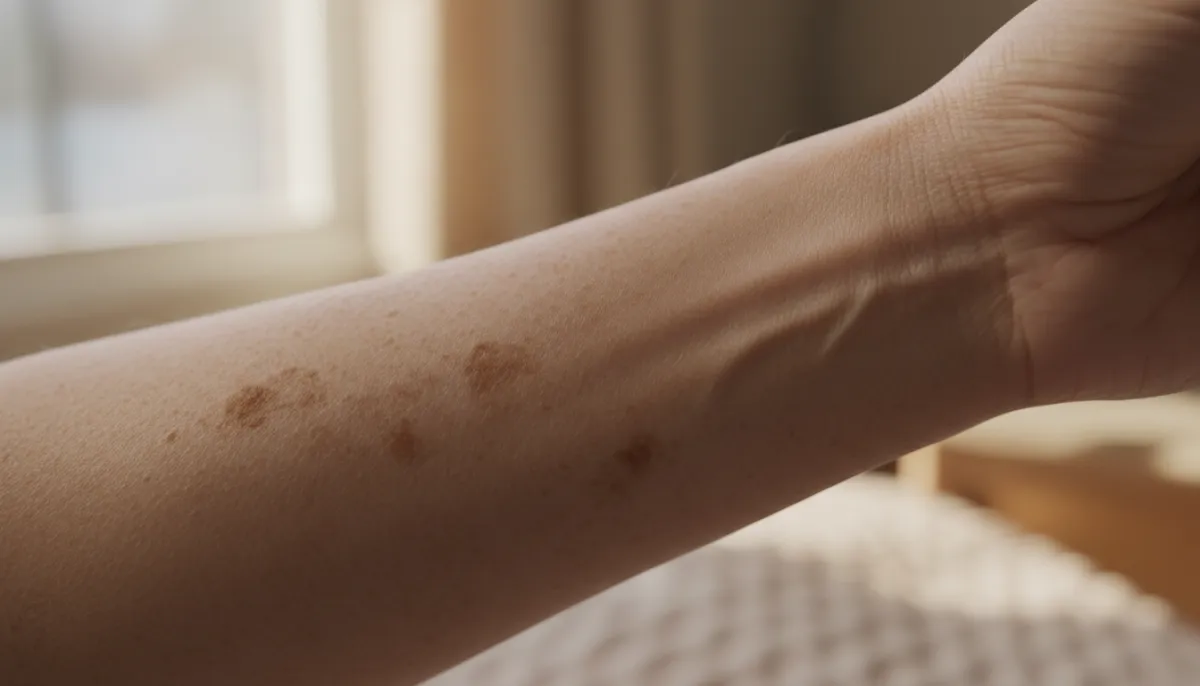
Age spots, also known as liver spots, solar lentigines, or sun spots, result from long‑term exposure to ultraviolet (UV) radiation. The UV rays stimulate melanocytes to produce excess melanin, which clusters in localized areas and forms the characteristic brown or black patches.
There are several subtypes:
- Solar lentigo – flat, brown patches that appear on sun‑exposed skin.
- Lentigines – similar to solar lentigo but may be more widespread.
- Liver spots – a colloquial term often used interchangeably with age spots.
- Freckles – smaller, lighter spots that usually appear in childhood and may fade.
While genetics play a role, lifestyle factors such as outdoor work, tanning habits, and insufficient skin protection amplify the risk. The presence of age spots can also indicate underlying skin changes, prompting a professional skin assessment.
Below is a quick comparison of the main types:
| Type | Typical Color | Common Locations | Age of Onset |
|---|---|---|---|
| Solar Lentigo | Light to dark brown | Face, hands, shoulders | 30‑50 years |
| Lentigines | Brown‑black | Extremities, torso | 40+ years |
| Liver Spots | Dark brown | Back of hands, forearms | 50+ years |
Diagnosing and Assessing Skin Pigmentation
Accurate diagnosis is essential before selecting a treatment plan. Dermatologists at Gold City Medical Center use a combination of visual examination, dermoscopy, and, when necessary, skin biopsies to differentiate age spots from other pigmented lesions such as melanoma or seborrheic keratosis.
Key assessment steps include:
- Medical history review – sun exposure, family history, medication use.
- Physical examination – size, shape, color, and texture of the spots.
- Dermoscopy – magnified view to evaluate pigment patterns.
- Optional biopsy – for atypical lesions that may require further analysis.
Understanding the degree of pigmentation helps clinicians recommend the most appropriate interventions, ranging from topical agents to laser therapies.
Below is a checklist for patients preparing for a skin pigmentation consultation:
| Preparation | Details |
|---|---|
| Sun protection | Avoid direct sun for 2 weeks before appointment. |
| Medication list | Include any photosensitizing drugs. |
| Previous treatments | Note any prior skin procedures or creams. |
Treatment Options for Age Spots
There are several clinically proven methods to reduce or eliminate age spots. The choice depends on the spot size, depth, skin type, and patient preferences. Common medical treatments include:
- Laser therapy – Q‑switched Nd:YAG or fractional lasers target melanin, breaking it down for natural removal.
- Intense Pulsed Light (IPL) – broad‑spectrum light that treats superficial pigmentation.
- Chemical peels – glycolic or trichloroacetic acid solutions exfoliate the top skin layers.
- Topical agents – hydroquinone, retinoids, or azelaic acid formulations lighten spots over weeks.
- Cryotherapy – liquid nitrogen freezes superficial lesions.
Each modality has distinct benefits and considerations. For example, laser therapy offers precise targeting with minimal downtime, while chemical peels are cost‑effective but may require multiple sessions.
Below is a comparison of the most popular treatments:
| Treatment | Typical Sessions | Recovery Time | Effectiveness |
|---|---|---|---|
| Q‑Switched Laser | 1‑3 | 1‑2 days | High |
| IPL | 2‑4 | 1‑3 days | Medium‑High |
| Chemical Peel | 3‑6 | 3‑7 days | Medium |
| Topical Hydroquinone | Ongoing | None | Variable |
Gold City Medical Center’s integrative approach combines these medical options with personalized skin‑care regimens to achieve optimal, lasting results.
Natural and Home Remedies for Age Spot Management
For those preferring non‑invasive options, several natural ingredients have shown modest efficacy in reducing pigmentation. While they may not replace professional treatments, they can complement a broader skin‑care plan.
Popular home remedies include:
- Vitamin C serums – antioxidant that inhibits melanin production.
- Lemon juice – natural acid that exfoliates superficial spots (use with caution).
- Aloe vera – contains aloin, which may lighten dark patches.
- Apple cider vinegar – acetic acid can promote gentle peeling.
- Green tea extract – polyphenols help protect against UV‑induced pigmentation.
When using these remedies, it is crucial to conduct a patch test, apply sunscreen diligently, and manage expectations, as results typically appear after several weeks.
Below is a simple weekly routine for natural spot care:
| Day | Morning | Evening |
|---|---|---|
| Monday‑Friday | Vitamin C serum + SPF 30+ | Aloe vera gel |
| Saturday | Lemon juice (diluted) rinse | Moisturizer |
| Sunday | Green tea extract spray | Apple cider vinegar (diluted) toner |
These practices can help maintain an even skin tone while supporting overall skin health.
Preventing Future Age Spots: Lifestyle and Skincare Tips
Prevention remains the most effective strategy for managing age spots. Consistent sun protection, healthy lifestyle choices, and regular skin examinations can dramatically reduce the formation of new pigmentation.
Key preventive measures:
- Daily broad‑spectrum SPF 30+ sunscreen, even on cloudy days.
- Protective clothing – hats, long sleeves, and UV‑blocking sunglasses.
- Limiting midday sun exposure (10 am–4 pm).
- Antioxidant‑rich diet – fruits, vegetables, and omega‑3 fatty acids.
- Regular skin checks with a dermatologist to monitor changes.
The following table outlines a daily prevention checklist:
| Time | Action |
|---|---|
| Morning | Apply SPF 30+ moisturizer, wear hat and sunglasses. |
| Midday | Seek shade, reapply sunscreen every 2 hours. |
| Evening | Use antioxidant serum, inspect skin for new spots. |
By integrating these habits, patients can maintain a luminous complexion and minimize the need for future interventions.
Why Choose Gold City Medical Center
Gold City Medical Center combines advanced dermatological technology with an integrative, patient‑focused approach. Our team of certified specialists offers personalized assessments, state‑of‑the‑art laser and light therapies, and evidence‑based skincare recommendations. With a reputation for safety and efficacy, we help clients achieve clearer, healthier skin while respecting individual preferences and lifestyle needs.
Ready to reclaim a radiant complexion? Contact Gold City Medical Center today to schedule a personalized skin evaluation and discover the most effective treatment plan for your age spots.
Call us or visit our clinic for a complimentary consultation and take the first step toward brighter, more even skin.
FAQ
What are age spots and why do they appear?
Age spots are flat, brownish patches that develop on skin due to long‑term sun exposure and increased melanin production.
How are age spots diagnosed by dermatologists?
Dermatologists use visual exams, dermoscopy, and sometimes skin biopsies to confirm age spots and rule out other lesions.
What medical treatments are most effective for removing age spots?
Laser therapy, IPL, chemical peels, topical hydroquinone, and cryotherapy are the most commonly used medical options.
Can natural home remedies help lighten age spots?
Certain natural ingredients like vitamin C, lemon juice, and aloe vera may modestly reduce pigmentation when used correctly.
How can I prevent new age spots from forming?
Consistent sun protection, protective clothing, antioxidant‑rich diet, and regular dermatologist visits are key preventive measures.
What is the difference between solar lentigo and liver spots?
Solar lentigo and liver spots are interchangeable terms for the same sun‑induced pigmentation, though liver spots is a colloquial name.





