Ashy skin is a common concern that many people notice when their complexion appears dull, matte, or slightly grayish. It often signals a disruption in the skin’s natural moisture balance, leading to a lackluster appearance that can affect confidence. In this article we explore the underlying reasons for ashy skin, how to recognise its tell‑tale signs, and the most effective ways to restore a radiant, healthy glow.
According to dermatological surveys, up to 30 % of individuals with dry skin report a persistent ashy tone, especially during colder months or in low‑humidity environments. Understanding the root causes helps you choose targeted solutions rather than generic moisturisers that may only mask the problem.
We will cover the biological factors, lifestyle influences, and professional treatments that can transform ashy skin back to a supple, luminous state. Whether you are dealing with occasional dry patches or chronic xerosis, the information below provides a clear roadmap for lasting improvement.
What Causes Ashy Skin?
Several internal and external factors can disrupt the skin’s barrier, resulting in the characteristic ashy hue. Recognising these triggers is the first step toward effective prevention.
Underlying Skin Conditions
- **Xerosis** (clinical dry skin) reduces natural oils and can turn the skin matte.
- **Eczema** and **psoriasis** cause inflammation that accelerates moisture loss.
- **Hypothyroidism** slows metabolism, affecting skin regeneration.
Environmental Factors
- Cold, windy climates strip lipids from the epidermis.
- Low indoor humidity from heating systems accelerates dehydration.
- Exposure to harsh chemicals or overly strong soaps disrupts the protective film.
Lifestyle Influences
- Insufficient water intake limits cellular hydration.
- Diet low in essential fatty acids (omega‑3) reduces barrier repair.
- Excessive alcohol or caffeine consumption can dehydrate skin.
| Cause | Typical Skin Reaction | Primary Concern |
|---|---|---|
| Xerosis | Matte, flaky texture | Moisture loss |
| Cold Climate | Grayish tone, tightness | Barrier disruption |
| Poor Nutrition | Uneven tone, dullness | Insufficient nutrients |
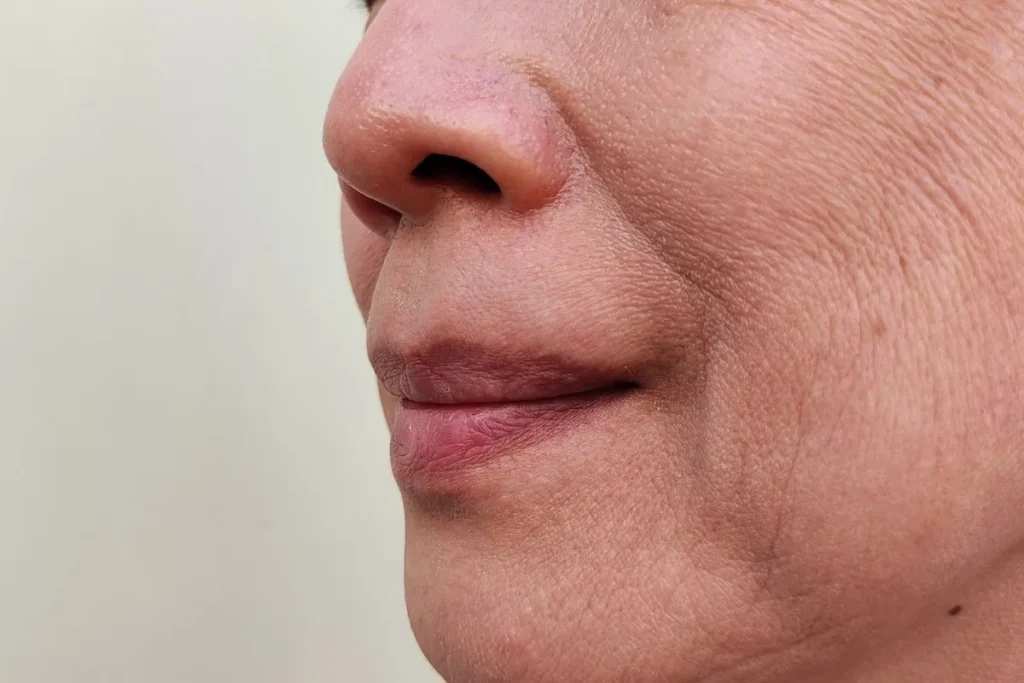
Identifying the Symptoms of Ashy Skin
Spotting ashy skin early allows you to intervene before the condition worsens. The symptoms extend beyond colour, affecting texture and comfort.
Visual Signs
- Matte, gray‑ish appearance especially on the arms, legs, and face.
- Uneven skin tone that looks “washed out” compared with surrounding areas.
- Visible fine lines that appear more pronounced due to lack of hydration.
Texture Changes
- Rough or flaky surface, often described as “scaly”.
- Areas of dry patches that may feel tight or itchy.
- Increased sensitivity to irritants and cosmetics.
Associated Discomfort
- Itching or mild burning after washing.
- Peeling after exposure to hot water.
- General feeling of skin tightness throughout the day.
| Symptom | Typical Location | Impact on Appearance |
|---|---|---|
| Matte tone | Forearms, shins | Grayish, ashy look |
| Flaky texture | Legs, torso | Visible scales |
| Uneven tone | Face, décolletage | Dull complexion |
Effective Treatments and Moisturizing Strategies
Restoring moisture and reinforcing the skin barrier are essential for reversing ashy skin. A combination of daily skincare, targeted products, and occasional professional treatments yields the best results.
Daily Moisturizing Routine
- Apply a **rich, ceramide‑based cream** immediately after showering to lock in water.
- Use a **hydrating serum** containing hyaluronic acid for an extra moisture boost.
- Finish with a **lightweight oil** (e.g., jojoba or rosehip) to seal the barrier.
Best Moisturizers for Dry Skin
| Product Type | Key Ingredients | Benefit |
|---|---|---|
| Body Lotion | Urea, glycerin | Long‑lasting hydration |
| Facial Cream | Ceramides, niacinamide | Barrier repair |
| Hand Balm | Shea butter, panthenol | Intensive repair |
Additional Care Tips
- Choose **dry skin moisturizing** cleansers that are free of sulfates.
- Incorporate **exfoliation** (1‑2 times/week) with gentle AHA to remove dead skin cells.
- Consider **overnight masks** that contain colloidal oatmeal for soothing relief.
For those seeking the best moisturizer for dry skin, look for products labelled “fragrance‑free” and with a pH close to the skin’s natural level (around 5.5). Regular use of these formulations can dramatically reduce the ashy appearance within weeks.
When to Seek Professional Help
While many cases of ashy skin improve with diligent home care, certain situations warrant medical evaluation. Early professional intervention can prevent complications such as infection or chronic inflammation.
Red Flags Requiring Dermatological Assessment
- Persistent redness, swelling, or pain that does not improve with moisturising.
- Large, cracked areas that bleed or ooze.
- Rapid spreading of dry patches beyond typical zones.
Professional Treatments Available
- Prescription‑strength **topical steroids** to reduce inflammation.
- **Barrier repair therapy** using custom‑blended emollients.
- In‑office **hydra‑facial** or **micro‑needling** to stimulate collagen production.
| Condition | Recommended Professional Treatment | Outcome |
|---|---|---|
| Severe xerosis | Prescription emollient | Rapid moisture restoration |
| Inflamed dry patches | Topical steroids | Reduced redness and itching |
| Chronic ashy tone | Hydra‑facial | Improved skin texture and glow |
At Gold City Medical Center, our dermatology team evaluates each case individually, ensuring that treatment plans address both the visible ashy tone and the underlying skin health.
Lifestyle Tips to Prevent Ashy Skin
Long‑term prevention of ashy skin involves simple adjustments to daily habits, nutrition, and environmental exposure.
Hydration and Nutrition
- Drink at least 2 liters of water daily to support cellular hydration.
- Include **omega‑3 rich foods** such as salmon, flaxseed, and walnuts.
- Consume antioxidant‑dense fruits (berries, citrus) to protect skin from oxidative stress.
Environmental Protection
- Use a **humidifier** indoors during winter months to maintain ambient moisture.
- Apply a **broad‑spectrum sunscreen** even on cloudy days to prevent barrier damage.
- Wear protective clothing (gloves, scarves) when exposed to wind or cold.
Skincare Habits
- Limit hot showers; opt for lukewarm water to avoid stripping natural oils.
- Pat skin dry gently with a soft towel instead of rubbing.
- Choose **dry skin moisturizing** products that contain humectants like glycerin.
By integrating these practices, you create a supportive environment for your skin, reducing the likelihood of returning to an ashy appearance.
Why Choose Gold City Medical Center
Gold City Medical Center combines advanced medical expertise with personalized beauty services, offering a holistic approach to skin health. Our team of certified dermatologists and aesthetic specialists tailors treatment plans that address both the cosmetic concerns of ashy skin and the underlying physiological factors. With state‑of‑the‑art facilities and a commitment to evidence‑based care, we ensure safe, effective results that enhance your natural glow.
Ready to revitalize your skin? Contact Gold City Medical Center today to schedule a personalized consultation and discover the most effective solutions for ashy skin.
Take the first step toward a luminous complexion—call us or book online now.
FAQ
What causes ashy skin?
Ashy skin is caused by factors like dry skin conditions, environmental stress, and lifestyle habits that disrupt the skin barrier.
How can I identify the symptoms of ashy skin?
Look for a matte, grayish tone, flaky texture, and tight or itchy feeling on the skin.
What daily moisturizing routine is best for ashy skin?
Use a ceramide‑rich cream after showering, followed by a hyaluronic‑acid serum and a lightweight oil.
When should I see a dermatologist for ashy skin?
Seek professional help if you notice persistent redness, swelling, cracking, or rapidly spreading dry patches.
What lifestyle changes help prevent ashy skin?
Stay hydrated, eat omega‑3 rich foods, use a humidifier, and protect skin from harsh weather.
Why choose Gold City Medical Center for treating ashy skin?
The center offers expert dermatologists, personalized treatment plans, and state‑of‑the‑art facilities.





