Seeing a bald spot on the back of the head can be unsettling, especially when it appears suddenly or seems to grow larger over time. This article explains the most common reasons behind this specific type of hair loss, how specialists diagnose the underlying condition, and which treatment paths are available—from topical therapies to advanced hair‑restoration surgery.
According to dermatological studies, up to 30 % of adults notice thinning or bald patches in the occipital region at some point in their lives. The back of the scalp is often overlooked in routine check‑ups, yet it can reveal important clues about hormonal balance, genetic predisposition, or scalp health.
We will explore the biological mechanisms that cause a bald spot on the back of the head, outline practical steps you can take to confirm the diagnosis, and provide evidence‑based recommendations for both non‑surgical and surgical interventions. Whether you are dealing with a subtle thinning or a clearly defined bald patch, understanding the cause is the first step toward an effective solution.
Common Causes of a Bald Spot on the Back of the Head
The occipital region is prone to several distinct conditions that can lead to a localized bald spot. Recognizing the pattern of hair loss helps clinicians narrow down the diagnosis.
Alopecia areata is an autoimmune disorder where the immune system mistakenly attacks hair follicles, often producing round, smooth bald patches. While it frequently affects the scalp’s front, it can also manifest on the back of the head.
Another frequent culprit is androgenetic alopecia (male or female pattern baldness). In men, this type typically starts at the temples and crown but may extend to the occipital area as the condition progresses. Women experience diffuse thinning that can include the back of the scalp.
Other factors include:
- Traction alopecia from tight hairstyles that pull on hair at the nape.
- Scalp infections or chronic inflammation, such as folliculitis.
- Hormonal changes, especially elevated dihydrotestosterone (DHT) levels.
- Physical trauma or surgical scars that disrupt follicle integrity.
Below is a quick comparison of the most common causes:
| Condition | Typical Pattern | Key Triggers | Likelihood of Back‑Head Involvement |
|---|---|---|---|
| Alopecia Areata | Round patches | Autoimmune response | Medium |
| Androgenetic Alopecia | Receding hairline, crown thinning | Genetics, DHT | Low‑to‑Medium (advanced stages) |
| Traction Alopecia | Linear thinning at hairline or nape | Hairstyles pulling on hair | High (if styles are tight at the back) |
| Scalp Infection | Irregular patches, redness | Bacterial or fungal overgrowth | Variable |
How to Diagnose the Underlying Condition
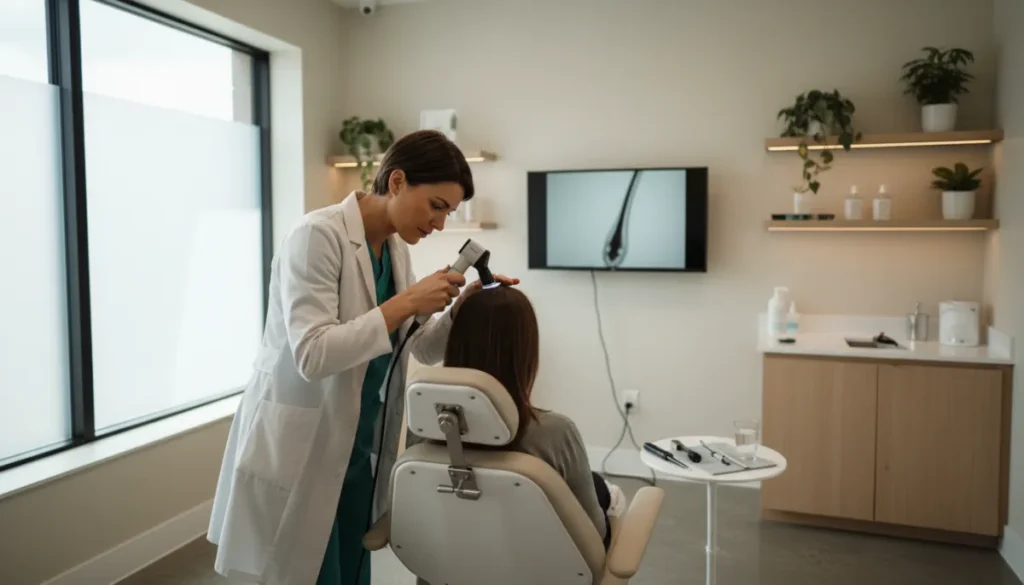
Accurate diagnosis begins with a thorough medical history and visual assessment. Dermatologists and hair‑restoration specialists at Gold City Medical Center follow a systematic protocol to pinpoint the cause of a bald spot on the back of the head.
Step 1: Clinical Interview – Patients are asked about family history of hair loss, recent illnesses, medication use, and lifestyle factors such as hairstyles or headgear that might cause tension.
Step 2: Physical Examination – The clinician examines the scalp under magnification, looking for signs of inflammation, scaling, or miniaturized follicles. The pattern, size, and borders of the bald area are documented.
Step 3: Trichoscopy – This non‑invasive dermatoscopic technique provides a close‑up view of hair shafts and follicular openings, revealing characteristic features of alopecia areata (exclamation‑mark hairs) or androgenetic alopecia (hair shaft diameter variation).
Step 4: Laboratory Tests – Blood work may include thyroid function tests, complete blood count, iron studies, and hormonal panels to rule out systemic contributors.
When visual clues are insufficient, a scalp biopsy can be performed. A tiny tissue sample is examined under a microscope to assess follicle health and inflammatory infiltrates.
Below is a checklist clinicians use during diagnosis:
- Family history of pattern baldness
- Presence of autoimmune markers
- Scalp condition (dry, oily, inflamed)
- Medication review (e.g., anticoagulants, retinoids)
- Blood test results (thyroid, iron, hormones)
Non‑Surgical Treatment Options
For many patients, a bald spot on the back of the head can be managed without surgery. The choice of therapy depends on the underlying diagnosis and the extent of hair loss.
Topical Minoxidil is the most widely used over‑the‑counter solution. Applied twice daily, it stimulates follicular activity and can improve density in early‑stage thinning.
For autoimmune cases like alopecia areata, corticosteroid injections directly into the affected area often halt the immune attack and promote regrowth within a few months.
Systemic treatments include:
- Finasteride (5 mg) – Reduces DHT levels, effective for androgenetic alopecia in men.
- Spironolactone – An anti‑androgen used off‑label for women with hormonal hair loss.
- Oral corticosteroids – Short courses for severe alopecia areata.
Adjunctive therapies such as low‑level laser therapy (LLLT) and platelet‑rich plasma (PRP) injections have shown promising results in stimulating dormant follicles and improving scalp vascularity.
Patients are advised to adopt scalp‑care routines that minimize irritation: gentle shampoos, avoidance of harsh chemicals, and regular moisturization. Nutritional support—adequate protein, iron, zinc, and biotin—also plays a supportive role.
When Surgical Intervention May Be Needed
If medical therapies fail to produce satisfactory regrowth, or if the bald spot on the back of the head is extensive, surgical options become a viable consideration.
Follicular Unit Extraction (FUE) is the preferred technique for occipital hair restoration. Individual follicular units are harvested from a donor area—often the same back‑head region if sufficient density remains—and transplanted to the balding zone.
Key advantages of FUE include:
- Minimal scarring—tiny dot‑like marks that are easily concealed.
- Rapid recovery—most patients resume normal activities within a week.
- Natural‑looking results—follicles retain their original growth direction.
In cases where donor hair is limited, Scalp Micropigmentation (SMP) can create the illusion of density by depositing pigment into the scalp, matching the patient’s natural hair color.
Before committing to surgery, a thorough pre‑operative assessment is performed, including donor‑site evaluation, realistic outcome discussion, and a review of any contraindications such as uncontrolled diabetes or active scalp infections.
Caring for Your Scalp and Preventing Future Hair Loss
Long‑term maintenance is essential to preserve the results of any treatment and to guard against new bald spots forming.
Sun Protection – UV radiation can damage hair follicles. Wearing a hat or using a scalp‑friendly sunscreen helps maintain follicular health.
Gentle Styling – Avoid tight ponytails, braids, or helmets that exert constant pressure on the occipital area. Opt for loose hairstyles and breathable fabrics.
Regular follow‑up appointments allow clinicians to monitor progress, adjust medications, and address emerging concerns promptly. Lifestyle factors such as stress management, balanced diet, and adequate sleep also influence hair cycle dynamics.
Below is a simple weekly scalp‑care routine:
- Wash with a mild, sulfate‑free shampoo twice a week.
- Apply a nourishing conditioner focusing on the ends.
- Massage the scalp for 3–5 minutes to boost circulation.
- Use a topical minoxidil or prescribed serum as directed.
- Schedule a quarterly check‑up with your hair‑restoration specialist.
Why Choose Gold City Medical Center
Gold City Medical Center combines cutting‑edge medical expertise with a holistic approach to hair health. Our team of dermatologists, trichologists, and certified hair‑transplant surgeons offers personalized treatment plans that address the root cause of a bald spot on the back of the head. With state‑of‑the‑art facilities, evidence‑based protocols, and a commitment to patient comfort, we help you achieve lasting, natural‑looking results.
Ready to restore confidence in your appearance? Contact Gold City Medical Center today to schedule a comprehensive scalp evaluation and discover the most effective solution for your unique situation.
FAQ
What causes a bald spot on the back of the head?
Common causes include alopecia areata, androgenetic alopecia, traction alopecia, scalp infections, hormonal changes, and physical trauma.
How is a bald spot on the occipital region diagnosed?
Diagnosis involves a medical history, visual exam, trichoscopy, laboratory tests, and sometimes a scalp biopsy.
What non‑surgical treatments are available for hair loss in the back of the head?
Topical minoxidil, corticosteroid injections, finasteride, spironolactone, oral steroids, laser therapy, and PRP are common non‑surgical options.
When should I consider surgical options like FUE for a bald spot on the back of my head?
Surgery is considered when medical therapies fail, the bald area is extensive, or donor hair density is sufficient for transplantation.
Can scalp micropigmentation hide a bald spot on the back of the head?
Yes, scalp micropigmentation (SMP) can create the illusion of density by depositing pigment that mimics hair follicles.
How can I prevent future bald spots on the back of my head?
Protect your scalp from UV, avoid tight hairstyles, maintain a healthy diet, manage stress, and schedule regular check‑ups.





