Experiencing balding at 30 can feel unsettling, especially when you notice a receding hairline or thinning strands in your early thirties. This article explains the underlying mechanisms, the most common triggers, and the range of medical and lifestyle options available to you. According to recent dermatology surveys, nearly one in three men notice noticeable hair loss by age 30, making early awareness crucial.
We will explore the science behind male pattern baldness, discuss how genetics and hormones interact, and highlight practical steps you can take now to preserve hair density. Whether you are seeking a non‑invasive solution or considering a hair transplant, understanding the process empowers you to choose the right path.
Read on to learn about diagnostic procedures, the latest treatment modalities such as finasteride, PRP therapy, and follicular unit extraction, as well as everyday habits that support hair health. Armed with accurate information, you can address balding at 30 with confidence and realistic expectations.
What Is Male Pattern Baldness?
Male pattern baldness, medically known as androgenetic alopecia, is the most common form of hair loss in men and often begins in the late twenties or early thirties. It follows a predictable pattern: the hairline recedes at the temples, and the crown thins, eventually forming the classic “M” shape.
- Hair follicles shrink due to sensitivity to dihydrotestosterone (DHT).
- Growth cycles shorten, leading to finer, shorter hairs.
- Genetic predisposition determines the degree of follicular sensitivity.
Understanding this pattern helps differentiate normal shedding from early signs of thinning hair. Below is a quick comparison of typical stages:
| Stage | Description | Typical Age |
|---|---|---|
| Stage 1 | Receding hairline at temples | Late teens‑mid 20s |
| Stage 2 | Thinning crown, widened part | Mid‑20s‑early 30s |
| Stage 3 | Significant hair loss, possible bald spot | 30‑40 years |
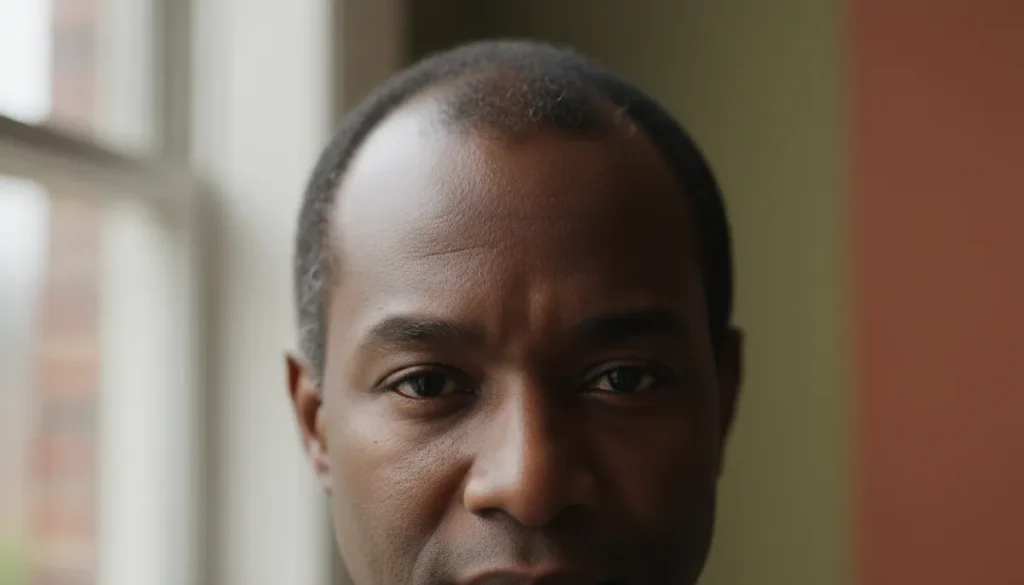
Common Triggers for Early Hair Loss
While genetics play a dominant role, several environmental and lifestyle factors can accelerate balding in men in their thirties. Recognizing these triggers allows you to mitigate their impact.
Hormonal Imbalance
Elevated DHT levels, often linked to stress or endocrine disorders, increase follicle miniaturization. Conditions such as thyroid dysfunction can also contribute to premature hair loss.
Nutritional Deficiencies
Lack of iron, zinc, vitamin D, and biotin can weaken hair shafts. A balanced diet rich in lean proteins, omega‑3 fatty acids, and antioxidants supports healthy growth cycles.
Stress and Lifestyle
Chronic stress triggers telogen effluvium, a temporary shedding phase that can compound underlying androgenetic alopecia. Poor sleep, smoking, and excessive alcohol consumption further impair scalp circulation.
Below is a checklist to evaluate potential contributors:
- Do you have a family history of early balding?
- Are you experiencing high stress or poor sleep?
- Is your diet lacking essential micronutrients?
- Do you use harsh hair products or frequent heat styling?
Diagnostic Steps and When to Seek Help
Early consultation with a qualified dermatologist or hair restoration specialist can clarify the cause of your hair loss and guide treatment selection. The diagnostic process typically includes:
Clinical Examination
The physician assesses pattern, density, and scalp health, noting any signs of inflammation or scarring.
Trichoscopy
This non‑invasive dermatoscopic exam reveals follicular miniaturization, vellus hairs, and peripilar signs, confirming androgenetic alopecia.
Blood Tests
Screening for thyroid function, iron levels, and hormonal panels helps rule out secondary causes.
When to schedule an appointment:
- Noticeable recession of the hairline or thinning crown.
- Sudden increase in shedding (more than 100 hairs per day).
- Family history of early balding combined with personal concerns.
Early detection maximizes the effectiveness of hair loss treatment for men, as many therapies work best before extensive follicle loss occurs.
Treatment Options Available Today
Modern medicine offers a spectrum of solutions ranging from topical agents to surgical restoration. Selecting the right approach depends on the stage of balding, personal preferences, and budget.
Medication
Finasteride (oral) and minoxidil (topical) are FDA‑approved for androgenetic alopecia. Finasteride reduces DHT production, while minoxidil stimulates follicular blood flow.
Platelet‑Rich Plasma (PRP)
PRP therapy involves injecting concentrated platelets from your own blood into the scalp, promoting growth factors that can enhance hair density.
Hair Transplant Surgery
Follicular Unit Extraction (FUE) and Follicular Unit Transplantation (FUT) relocate healthy follicles from a donor area to thinning zones, offering permanent, natural‑looking results.
Below is a concise comparison of the most common treatments:
| Treatment | Method | Effectiveness | Typical Cost (EUR) |
|---|---|---|---|
| Finasteride | Oral tablet daily | 70‑80% halt progression | 30‑50 per month |
| Minoxidil | Topical solution twice daily | 30‑40% regrowth | 20‑35 per month |
| PRP | Series of scalp injections | 40‑60% improvement | 500‑800 per session |
| FUE Transplant | Surgical extraction & implantation | 90‑95% permanent | 3,000‑8,000 total |
Consulting a specialist at Gold City Medical Center ensures a personalized plan that may combine several modalities for optimal results.
Lifestyle Changes to Support Hair Health
While medical treatments address the underlying cause, everyday habits can reinforce results and slow further loss.
Nutrition
Include protein‑rich foods (lean meat, legumes), omega‑3 sources (salmon, walnuts), and antioxidant‑dense vegetables (spinach, berries) to nourish follicles.
Scalp Care
Gentle cleansing with sulfate‑free shampoos, occasional scalp massage, and avoiding tight hairstyles reduce mechanical stress on hair shafts.
Stress Management
Regular exercise, mindfulness meditation, and adequate sleep (7‑9 hours) help regulate hormone levels and improve overall circulation.
Implementing these practices alongside professional treatment can enhance hair regrowth for men and maintain the health of existing hair.
- Drink at least 2 liters of water daily.
- Limit processed sugars and saturated fats.
- Schedule weekly short walks or cardio sessions.
- Consider supplements only after medical advice.
Why Choose Gold City Medical Center
Gold City Medical Center combines cutting‑edge medical expertise with a holistic approach to hair restoration. Our team of board‑certified dermatologists and hair‑transplant surgeons tailors each treatment plan to the individual’s unique pattern of balding, ensuring safe and effective outcomes. With state‑of‑the‑art facilities, advanced PRP protocols, and a proven track record in FUE procedures, we provide comprehensive care from diagnosis through long‑term maintenance. Trust a center that integrates medical precision with personalized attention for lasting confidence.
Ready to take control of your hair future? Book a confidential consultation with our specialists today and discover the most effective solution for your balding at 30. Call us or fill out the online form to start your journey toward fuller, healthier hair.
FAQ
What causes balding at age 30?
Balding at 30 is mainly driven by genetics, hormonal factors like DHT, and lifestyle influences such as stress, poor nutrition, and certain medical conditions.
How can I tell if my hair loss is male pattern baldness?
Male pattern baldness follows a predictable pattern of recession at the temples and thinning on the crown, often forming an “M” shape.
What are the most effective treatments for early hair loss?
Finasteride, minoxidil, PRP therapy, and hair transplant surgery are the leading evidence‑based options.
When should I see a dermatologist for hair loss?
Schedule a visit if you notice a receding hairline, sudden shedding, or have a family history of early balding.
Can lifestyle changes prevent or slow balding at 30?
Yes, a balanced diet, stress management, proper scalp care, and healthy habits can support hair health and slow progression.
What is the difference between FUE and FUT hair transplant methods?
FUE extracts individual follicles without a linear scar, while FUT removes a strip of scalp, leaving a linear scar but often yielding more grafts in a single session.





