The demand for beard transplant before and after photos has surged as more men seek a fuller, well‑defined facial hair line. In this article we explore what those images reveal, why they matter, and how you can interpret them to set realistic expectations. According to recent surveys, over 70% of prospective patients review visual results before committing to a procedure, underscoring the importance of transparent documentation.
We will walk you through the entire journey—from the initial consultation and the science behind the grafting process, to the healing phases and the final aesthetic outcome. By the end, you’ll understand how to evaluate genuine transformation, recognize common pitfalls, and feel confident when choosing a clinic that prioritises natural‑looking results.
Whether you are curious about the typical timeline, the appearance of early growth, or the long‑term density achieved, the beard transplant before and after photos serve as a reliable benchmark. Let’s dive into the details that turn a simple picture into a powerful decision‑making tool.
Understanding Beard Transplant: How It Works
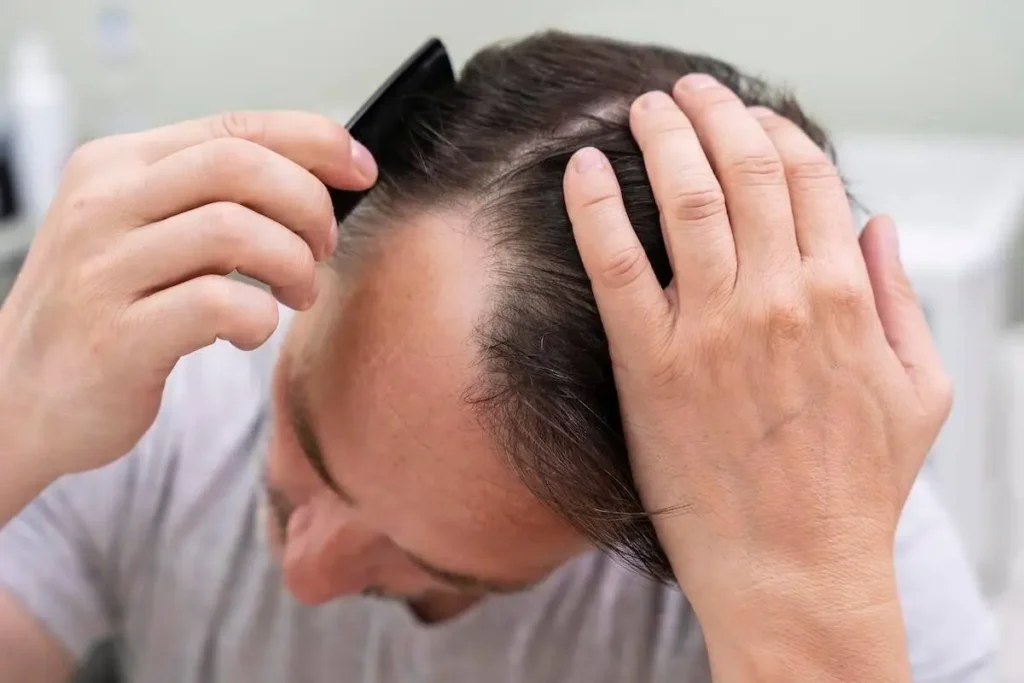
Modern beard restoration relies primarily on the Follicular Unit Extraction (FUE) technique, which harvests individual hair grafts from a donor site—usually the back of the scalp—and transplants them to the facial region. This method minimizes scarring and allows for precise placement, creating a natural growth pattern that matches the existing beard.
The FUE Technique for Facial Hair
- Donor area assessment and mapping of usable hair grafts.
- Extraction of single follicular units using a 0.8‑1.0 mm punch.
- Preparation of the recipient zone with micro‑incisions oriented to the desired hair direction.
- Implantation of grafts at appropriate depth and angle to mimic natural beard flow.
- Post‑procedure care instructions to support graft survival.
Compared with older strip‑harvest methods, FUE offers quicker recovery and virtually invisible donor scars. Below is a concise comparison of the two primary techniques.
| Feature | FUE (Follicular Unit Extraction) | FUT (Follicular Unit Transplantation) |
|---|---|---|
| Incision Size | 0.8‑1.0 mm individual punches | Linear strip, 10‑15 mm |
| Scarring | Dot‑like, virtually invisible | Linear scar, visible if hair is short |
| Recovery Time | 3‑5 days of mild discomfort | 7‑10 days, higher discomfort |
| Graft Yield | Flexible, depends on donor density | Higher initial yield, but limited by strip length |
Understanding these fundamentals helps you interpret the beard transplant before and after photos you’ll encounter later, as the technique directly influences graft placement, density, and overall aesthetic harmony.
What to Expect: Timeline of Results
The visual transformation captured in beard transplant before and after photos unfolds over several distinct phases. Knowing what to anticipate at each stage reduces anxiety and ensures you follow post‑operative instructions accurately.
First Week to One Month
- Day 1‑3: Mild redness and swelling; grafts are secured but not yet visible.
- Day 4‑10: Initial shedding of transplanted hairs—often referred to as “shock loss.” This is a normal sign that the follicles are entering a resting phase.
- Week 2‑4: Scabs fall off, and the skin begins to look smoother. No visible new hair yet.
Many patients compare this period to the “10 days after hair transplant” stage commonly discussed in scalp procedures. The key is patience; the grafts are simply preparing for the growth cycle.
Two to Six Months
- Month 2‑3: New hair shafts emerge, often fine and light in colour.
- Month 4‑6: Thickening of the new beard hairs, increased coverage, and better alignment with surrounding native hair.
By the six‑month mark, most patients can see a noticeable improvement, which is why many “hair transplant before and after pictures” showcase results at this interval.
Six to Twelve Months
Full maturation typically occurs between eight and twelve months. The grafts reach their final thickness and colour, delivering the natural appearance shown in the most compelling beard transplant before and after photos. Long‑term follow‑up ensures any minor adjustments can be addressed promptly.
Evaluating Success: Interpreting Before and After Photos
Not all visual results are created equal. When reviewing beard transplant before and after photos, focus on specific criteria that indicate a successful, natural‑looking outcome.
Key Indicators of Natural Growth
| Indicator | What to Look For | Why It Matters |
|---|---|---|
| Hair Direction | Consistent angle matching surrounding beard | Prevents an “artificial” appearance |
| Density Uniformity | Even distribution without obvious gaps | Creates a full, balanced look |
| Colour Match | Similar shade to native facial hair | Ensures seamless integration |
| Scarring Visibility | Minimal or no visible donor scars | Maintains overall aesthetic quality |
| Natural Line Definition | Clear but not overly sharp jawline | Reflects realistic growth patterns |
High‑quality clinics often publish a series of images—pre‑procedure, immediate post‑procedure, 3‑month, 6‑month, and 12‑month shots. This progression helps patients differentiate between temporary swelling and permanent results, a practice commonly seen in reputable “hair transplant before and after pictures.”
Common Concerns and Myths About Beard Transplants
Despite growing popularity, several misconceptions still circulate, often fueled by outdated “hair plugs before and after” images that show unnatural density. Below we address the most frequent concerns.
Myth 1: Beard Transplants Look Artificial
Modern FUE techniques allow surgeons to place each graft at the exact angle of existing hairs, producing a seamless blend. Authentic beard transplant before and after photos demonstrate this subtle integration, contrary to the exaggerated “hair plug” aesthetic of older procedures.
Myth 2: The Procedure Is Painful and Requires Long Downtime
Local anesthesia ensures comfort during graft extraction and implantation. Most patients resume normal activities within 2‑3 days, with only mild swelling that subsides quickly. The recovery timeline aligns closely with typical “hair transplant surgery results” for scalp work.
Myth 3: Results Are Immediate
Patience is essential. While some early growth appears after three months, the full, dense beard emerges between eight and twelve months. This gradual progression is reflected in the staged “before and after” documentation shared by leading clinics.
Myth 4: Only Men With Complete Baldness Can Benefit
Even individuals with patchy growth or sparse sideburns can achieve noticeable improvement. The versatility of the FUE method allows targeted augmentation, making it suitable for a wide range of facial hair patterns.
Why Choose Gold City Medical Center
Gold City Medical Center combines cutting‑edge technology with a patient‑first philosophy. Our team of certified specialists follows strict protocols for graft handling, ensuring maximum survival rates and natural outcomes. By integrating medical expertise with aesthetic precision, we deliver results that meet the high standards reflected in authentic beard transplant before and after photos. Trust a clinic that prioritises safety, transparency, and long‑term satisfaction.
Ready to transform your facial profile with a natural‑looking beard? Contact Gold City Medical Center today to schedule a personalized consultation and view our exclusive gallery of real results.
FAQ
What do beard transplant before and after photos show?
They display the visual progression from pre‑procedure to final results, highlighting changes in density, hair direction, and overall beard shape.
How long does it take to see full results after a beard transplant?
Full, mature results usually appear between eight and twelve months post‑procedure.
What is the FUE technique and why is it preferred for beard transplants?
FUE (Follicular Unit Extraction) removes individual hair follicles with tiny punches, minimizing scarring and allowing precise placement.
How can I evaluate if a beard transplant result looks natural?
Check hair direction, density uniformity, colour match, scar visibility, and line definition in the before‑after images.
What are common myths about beard transplants?
Common myths include that the results look fake, the procedure is extremely painful, and full results are immediate.
Why choose Gold City Medical Center for a beard transplant?
Gold City combines cutting‑edge FUE technology, experienced specialists, and transparent result documentation for natural outcomes.





