When it comes to maintaining a healthy liver, selecting the best liver supplements can make a significant difference. The liver is the body’s primary detox organ, processing everything from medications to alcohol, and supporting its function is essential for overall wellbeing. In this article we explore the most effective supplements, the science behind their ingredients, and practical tips to integrate them into a balanced lifestyle.
Recent studies indicate that up to 25% of adults experience some degree of liver stress due to poor diet, sedentary habits, or exposure to toxins. While dietary changes are foundational, many people turn to supplements to boost liver resilience, especially when dealing with fatty liver or looking to enhance detoxification pathways.
We’ll cover how to assess supplement quality, which ingredients have proven benefits, and how to pair supplementation with nutrition and lifestyle choices. By the end of this guide, you’ll have a clear roadmap to choose the most appropriate product for your liver health goals.
Understanding Liver Health and the Role of Supplements
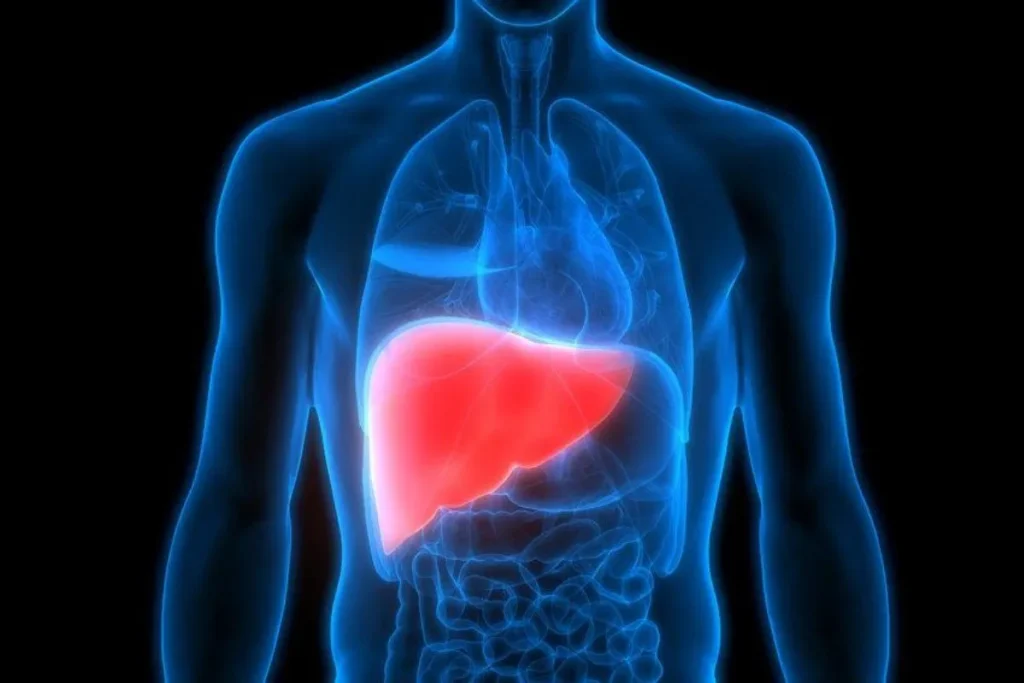
The liver performs over 500 vital functions, including metabolizing nutrients, synthesizing proteins, and clearing waste products. When the organ is overloaded, symptoms such as fatigue, abdominal discomfort, and elevated liver enzymes can arise. Supplements are designed to support these processes, offering antioxidant protection, promoting cellular regeneration, and aiding in the removal of harmful substances.
Key concepts to grasp include:
- Liver detox – the natural process of breaking down toxins and preparing them for elimination.
- Liver support supplements – products formulated to enhance the liver’s ability to detoxify and regenerate.
- Fatty liver diet – dietary patterns that reduce fat accumulation in the liver, often paired with supplementation.
- Detox drinks and teas – beverages that may complement supplement regimens but should not replace them.
Research shows that antioxidants such as glutathione, vitamins C and E, and specific plant extracts can protect liver cells from oxidative stress. For individuals with non‑alcoholic fatty liver disease (NAFLD), combining a healthy liver diet with targeted supplements can improve liver enzyme levels within weeks.
When evaluating a product, consider the following:
- Clinical evidence supporting the ingredient’s efficacy.
- Dosage recommendations that align with established research.
- Purity and absence of unnecessary additives.
Understanding these fundamentals helps you navigate the market and avoid products that promise quick fixes without scientific backing.
Key Ingredients to Look for in Effective Liver Supplements
Not all supplements are created equal; the efficacy largely depends on the active ingredients they contain. Below is a list of the most researched components that consistently appear in high‑quality liver support formulas.
| Ingredient | Primary Benefit | Typical Dose | Supporting Evidence |
|---|---|---|---|
| Milk Thistle (Silymarin) | Antioxidant protection and cell regeneration | 150–300 mg | Multiple clinical trials show improved liver enzyme levels. |
| N‑Acetylcysteine (NAC) | Boosts glutathione production | 600–1200 mg | Strong evidence for reducing oxidative damage. |
| Artichoke Leaf Extract | Enhances bile flow and lipid metabolism | 300–500 mg | Studies indicate benefits for fatty liver patients. |
| Dandelion Root | Supports detoxification and diuretic function | 500–1000 mg | Traditional use backed by emerging research. |
| Alpha‑Lipoic Acid | Universal antioxidant that recycles other antioxidants | 300–600 mg | Positive effects on insulin resistance and liver health. |
When reviewing a supplement label, the presence of these ingredients—especially in clinically validated doses—signals a product with genuine potential to support liver detox and regeneration. Avoid formulas that list these compounds at sub‑therapeutic levels or hide them behind proprietary blends without disclosure.
In addition to the core ingredients, some supplements incorporate supportive nutrients such as vitamin B12, zinc, and selenium, which play auxiliary roles in metabolic pathways and immune function.
How to Choose the Right Supplement for Your Needs
Selecting the appropriate supplement depends on your individual health goals, existing liver condition, and lifestyle factors. Below are key considerations to guide your decision‑making process.
- Specific liver concern – Are you targeting general liver health, fatty liver disease, or detox after a period of heavy alcohol consumption? Different formulations prioritize different ingredients.
- Dosage for your liver – Follow manufacturer recommendations that align with scientific studies. For example, a dose of 300 mg of silymarin taken twice daily is commonly supported.
- Potential interactions – If you are on prescription medication, consult a healthcare professional to ensure the supplement does not interfere with drug metabolism.
- Form and convenience – Capsules, tablets, and liquid extracts each have absorption profiles; choose the form that fits your routine.
- Quality certifications – Look for third‑party testing (e.g., NSF, USP) that verifies purity and potency.
Many consumers ask, “does dose for your liver work?” The answer lies in consistent use and adherence to recommended amounts. Sporadic intake or under‑dosing typically yields minimal benefits.
Below is a quick reference to match common goals with suitable supplement profiles:
| Goal | Recommended Ingredient Focus | Typical Daily Dose |
|---|---|---|
| General liver support | Milk thistle + NAC | 300 mg silymarin + 600 mg NAC |
| Fatty liver reduction | Artichoke leaf + Alpha‑Lipoic Acid | 400 mg artichoke + 600 mg ALA |
| Detox after alcohol | Dandelion root + Vitamin B complex | 800 mg dandelion + B‑vitamin complex |
Remember that supplements are most effective when combined with a balanced diet and regular physical activity. They should never replace medical treatment for diagnosed liver disease.
Lifestyle Tips That Complement Liver Supplement Use
Even the most potent supplement cannot compensate for an unhealthy lifestyle. Pairing supplementation with dietary and behavioral changes maximizes liver recovery and long‑term resilience.
- Adopt a fatty liver diet – Emphasize high‑fiber vegetables, lean proteins, and healthy fats such as omega‑3 fatty acids. Limit refined sugars and saturated fats.
- Hydration – Drinking ample water supports the kidneys and liver in flushing out toxins. Some people add ginger water or lemon slices for added flavor.
- Limit alcohol and processed foods – Reducing alcohol intake lowers the burden on liver cells, while processed foods often contain additives that increase oxidative stress.
- Include detox drinks responsibly – Beverages like green tea, beet juice, or a modest amount of detox tea can provide additional antioxidants, but they should not replace whole foods.
- Regular physical activity – Exercise improves insulin sensitivity, which is crucial for preventing fat buildup in the liver.
In practice, a daily routine might look like this:
- Morning: 250 ml of warm lemon‑ginger water, followed by a multivitamin.
- Mid‑day: A balanced lunch featuring quinoa, grilled salmon, and steamed broccoli.
- Afternoon: Take the prescribed liver supplement with a glass of water.
- Evening: Light dinner with a leafy salad, and a cup of herbal detox tea (e.g., dandelion‑root tea).
Consistency is key. Studies suggest that combining these habits with a high‑quality supplement can reduce liver enzyme levels by up to 30% within three months.
Safety, Side Effects, and Professional Guidance
While many liver supplements are well‑tolerated, it is essential to be aware of potential side effects and interactions. Common adverse reactions include mild gastrointestinal upset, headaches, or allergic responses to plant extracts.
Key safety considerations:
- Pregnancy and breastfeeding – Consult a healthcare provider before starting any supplement.
- Existing liver disease – Patients with cirrhosis or hepatitis should receive medical supervision.
- Medication interactions – Supplements like milk thistle can affect the metabolism of certain drugs, such as statins or anticoagulants.
Professional guidance ensures that you select a product that matches your health profile. At Gold City Medical Center, our integrative specialists can evaluate liver function tests, discuss supplement options, and tailor a plan that aligns with your overall wellness goals.
Below is a quick safety checklist:
| Check | Action |
|---|---|
| Allergy screening | Verify ingredient list for known allergens. |
| Medication review | Discuss current prescriptions with a doctor. |
| Dosage verification | Align supplement dose with clinical guidelines. |
| Monitoring | Schedule follow‑up liver function tests after 8–12 weeks. |
By integrating professional oversight with informed supplement choices, you can safely enhance liver function and support long‑term health.
Why Choose Gold City Medical Center
Gold City Medical Center combines cutting‑edge medical expertise with a holistic approach to health. Our team of integrative specialists offers personalized assessments, evidence‑based recommendations, and ongoing support for liver wellness. Whether you seek preventive care, targeted supplementation, or comprehensive detox programs, we provide a trusted environment where your health goals are prioritized.
With a focus on safety, transparency, and patient education, Gold City Medical Center ensures that every supplement recommendation aligns with your unique health profile and lifestyle.
Ready to optimize your liver health? Contact Gold City Medical Center today to schedule a personalized liver assessment and discover the supplement plan that’s right for you.
Take the first step toward a cleaner, more resilient liver—your wellbeing starts here.
FAQ
What are the most effective ingredients in liver supplements?
The most researched ingredients are milk thistle (silymarin), N‑acetylcysteine (NAC), artichoke leaf extract, dandelion root, and alpha‑lipoic acid.
How much milk thistle should I take for liver support?
A typical dose is 150–300 mg of silymarin taken two to three times daily.
Can liver supplements replace a healthy diet?
No, supplements should complement, not replace, a balanced liver‑friendly diet.
Are there any side effects or risks associated with liver supplements?
Most are well‑tolerated, but mild gastrointestinal upset, headaches, or allergic reactions can occur.
How long does it take to see improvements in liver enzymes after using supplements?
Visible improvements can appear within 8–12 weeks of consistent use.





