The best thing for hair regrowth men is a comprehensive approach that blends proven medical therapies, targeted hair growth products, and healthy lifestyle habits. Men experiencing thinning hair or a receding hairline often wonder why hair loss seems inevitable, yet modern science offers several pathways to restore density and confidence.
According to recent dermatological studies, up to 40% of men begin to notice signs of male pattern baldness by age 35, and the prevalence rises to 65% by age 60. This statistic highlights the importance of early intervention and personalized treatment plans.
In this article we will explore the underlying causes of hair loss, review the most effective medical and non‑medical options, and explain how an integrative clinic like Gold City Medical Center can tailor a plan that fits your unique needs. Whether you are looking for a quick boost from topical solutions or a long‑term strategy such as a hair transplant, understanding the full spectrum of options will empower you to make an informed decision.
Read on to discover the evidence‑based methods that constitute the best thing for hair regrowth men, and learn how to combine them for lasting results.
Understanding Male Hair Loss: Causes and Patterns
Hair loss in men is rarely caused by a single factor. The most common form, male pattern baldness (also known as androgenetic alopecia), is driven by genetics and the hormone dihydrotestosterone (DHT). DHT shrinks hair follicles, shortening the growth phase and leading to finer, shorter hairs over time.
Other contributors include:
- Stress‑related telogen effluvium, which pushes hair into a shedding phase.
- Nutritional deficiencies, particularly iron, zinc, and biotin.
- Medical conditions such as thyroid disorders or autoimmune diseases.
- Medications like certain antihypertensives or chemotherapy agents.
Identifying the root cause is essential because it determines the most effective treatment pathway. A thorough clinical evaluation typically involves a scalp examination, blood tests, and a review of family history.
Below is a quick reference table that matches common signs with likely underlying causes:
| Symptom | Likely Cause |
|---|---|
| Gradual thinning at the crown | Androgenetic alopecia |
| Sudden diffuse shedding | Telogen effluvium |
| Patchy bald spots | Alopecia areata |
| Scalp itching or scaling | Dermatological conditions (e.g., seborrheic dermatitis) |
Understanding these patterns helps you and your practitioner decide whether the best thing for hair regrowth men involves medical therapy, topical products, or a combination of both.
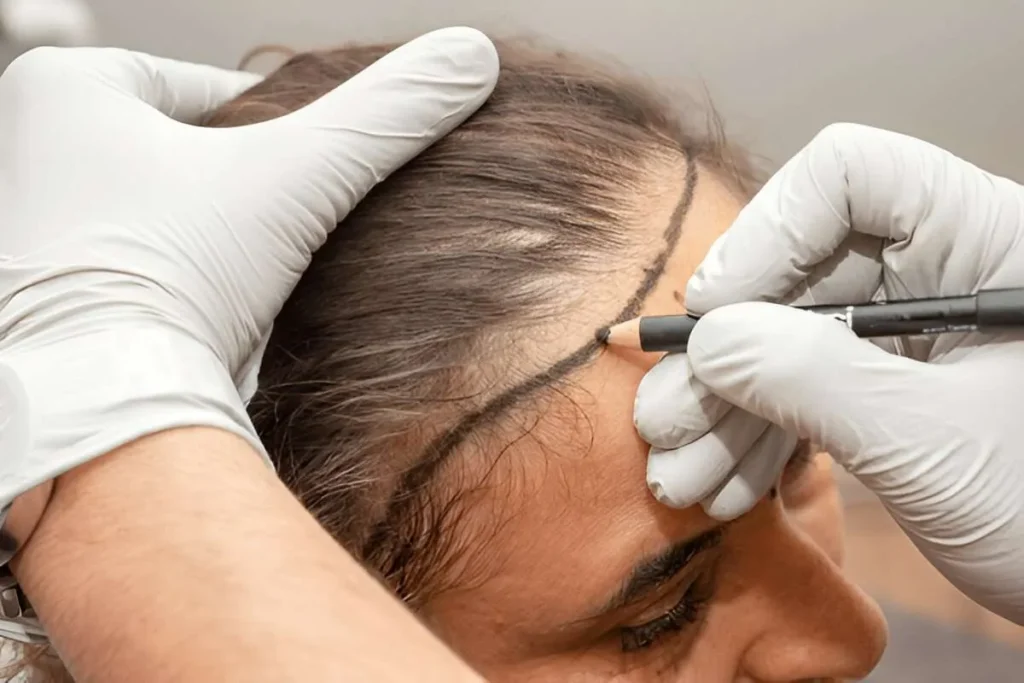
Medical Treatments That Work: From Medication to Hair Transplant
When it comes to the best thing for hair regrowth men, clinically proven medical options often lead the pack. Two FDA‑approved medications dominate the market: finasteride and minoxidil. Finasteride works systemically by inhibiting the conversion of testosterone to DHT, while minoxidil is a topical vasodilator that stimulates follicular activity.
Key points for each:
- Finasteride – taken orally once daily; reduces DHT levels by up to 70%; most effective for early‑stage recession.
- Minoxidil – 2% or 5% solution applied twice daily; promotes blood flow to the scalp and prolongs the anagen phase.
Beyond medication, advanced procedures have become mainstream:
Platelet‑Rich Plasma (PRP) Therapy
PRP involves drawing a small amount of the patient’s blood, concentrating the platelets, and injecting them into the scalp. Growth factors released from platelets can rejuvenate dormant follicles, making PRP a popular adjunct to other treatments.
Hair Transplant Techniques
Modern hair transplantation offers two primary methods:
- Follicular Unit Extraction (FUE) – individual follicles are harvested and implanted, leaving minimal scarring.
- Follicular Unit Transplantation (FUT) – a strip of scalp is removed, and follicles are dissected before implantation. Suitable for larger graft numbers.
Both techniques provide natural‑looking results when performed by experienced surgeons. Success rates are high, with most patients achieving 80‑90% graft survival after one year.
Below is a comparison of the main medical options:
| Treatment | Mode of Action | Typical Results (6‑12 months) | Considerations |
|---|---|---|---|
| Finasteride | Systemic DHT inhibition | 30‑50% reduction in hair loss | Potential sexual side effects; requires prescription |
| Minoxidil | Topical vasodilation | 10‑25% increase in hair density | Needs continuous use; may cause scalp irritation |
| PRP | Growth factor stimulation | 15‑30% increase in thickness | Multiple sessions; cost varies |
| FUE/FUT Transplant | Permanent follicle relocation | 70‑90% graft survival | Surgical procedure; recovery time |
Choosing the right medical pathway often depends on the stage of hair loss, budget, and personal preferences. For many men, a combination of finasteride and minoxidil serves as the foundational best thing for hair regrowth men, with PRP or transplant options added later for enhanced density.
Topical and Nutritional Solutions: Boosting Growth from the Outside In
While prescription medication forms the backbone of the best thing for hair regrowth men, many patients also benefit from over‑the‑counter products and targeted nutrition. These solutions can complement medical therapy and address specific deficiencies that impede follicle health.
Hair Growth Products
Topical formulations often combine minoxidil with other active ingredients such as caffeine, ketoconazole, or saw‑tooth extract. Caffeine has been shown to counteract DHT’s effects at the follicle level, while ketoconazole reduces scalp inflammation.
Popular product categories include:
- Growth‑stimulating serums with peptide complexes.
- Shampoos enriched with biotin and niacin for scalp health.
- Leave‑in conditioners containing plant extracts that promote circulation.
Vitamins and Supplements
Scientific evidence supports several nutrients for hair health:
- Biotin (Vitamin B7) – essential for keratin production.
- Vitamin D – deficiency linked to alopecia.
- Zinc – supports DNA synthesis in hair cells.
- Omega‑3 fatty acids – reduce inflammation and improve scalp moisture.
When selecting supplements, look for products that provide the recommended daily allowance (RDA) without excessive dosing. Combining a balanced multivitamin with a targeted hair‑specific formula often yields the most noticeable results.
Below is a quick guide to choosing a supplement regimen:
| Nutrient | Daily Dose | Primary Benefit | Food Sources |
|---|---|---|---|
| Biotin | 30‑100 µg | Keratin synthesis | Egg yolk, nuts, legumes |
| Vitamin D | 600‑800 IU | Follicle cycling | Sunlight, fortified dairy |
| Zinc | 11 mg | DNA repair | Red meat, pumpkin seeds |
| Omega‑3 | 1,000 mg EPA/DHA | Anti‑inflammatory | Fatty fish, flaxseed oil |
Integrating these topical and nutritional tools can amplify the effects of prescription treatments, making them a vital component of the overall best thing for hair regrowth men strategy.
Lifestyle Factors and Home Care: Everyday Habits That Support Growth
Even the most advanced medical regimen can be undermined by poor lifestyle choices. Simple daily habits play a surprisingly large role in sustaining hair density and should be part of the best thing for hair regrowth men plan.
Nutrition and Hydration
A diet rich in lean proteins, whole grains, and colorful vegetables supplies the building blocks for keratin. Staying well‑hydrated ensures optimal circulation to the scalp, delivering nutrients to hair follicles.
Scalp Hygiene
Regular cleansing removes excess sebum and environmental pollutants that can clog follicles. However, over‑washing or harsh shampoos may strip natural oils, leading to dryness. Opt for a gentle, sulfate‑free shampoo and massage the scalp for 2‑3 minutes each wash to stimulate blood flow.
Stress Management
Chronic stress elevates cortisol, which can push hair follicles into the resting phase. Incorporating relaxation techniques—such as mindfulness meditation, regular exercise, or adequate sleep—helps maintain hormonal balance.
Avoiding Harmful Practices
Frequent use of high‑heat styling tools, tight hairstyles, and chemical treatments can cause mechanical damage and accelerate shedding. If styling is necessary, use heat protectants and keep tension low.
Here is a concise checklist for daily scalp care:
- Drink at least 2 liters of water daily.
- Consume 1–1.5 grams of protein per kilogram of body weight.
- Wash hair 2–3 times per week with a mild shampoo.
- Perform a 2‑minute scalp massage each morning.
- Limit stress through at least 30 minutes of physical activity.
Adopting these habits reinforces the effects of medical and topical treatments, creating a holistic environment where hair can thrive.
Choosing the Right Professional Care: How to Evaluate Clinics and Specialists
Finding the right partner is a critical step in executing the best thing for hair regrowth men. Not all clinics offer the same level of expertise, technology, or personalized service. Below are key criteria to consider when selecting a provider.
Credentials and Experience
Look for board‑certified dermatologists or hair restoration surgeons with a proven track record in treating male pattern baldness. Ask about the number of successful hair transplant procedures performed annually and request before‑and‑after photos of patients with similar hair loss patterns.
Comprehensive Evaluation
A thorough initial consultation should include:
- Scalp analysis with dermatoscopy.
- Blood work to assess hormonal levels, iron, thyroid function, and vitamin status.
- Discussion of medical history, medication use, and lifestyle factors.
This holistic assessment ensures that the treatment plan addresses both the root cause and the visible symptoms.
Technology and Techniques
Advanced clinics employ state‑of‑the‑art equipment such as robotic FUE systems, high‑resolution imaging for graft planning, and PRP centrifuges that meet medical standards. Access to a range of options—finasteride, minoxidil, PRP, and surgical transplant—allows for a customized protocol.
Patient Support and Follow‑Up
Effective hair restoration extends beyond the procedure day. Look for practices that provide clear post‑procedure instructions, regular follow‑up appointments, and access to a dedicated nurse or coordinator for questions.
Gold City Medical Center excels in these areas, offering an integrative approach that blends medical, cosmetic, and wellness expertise under one roof.
Why Choose Gold City Medical Center
Gold City Medical Center combines cutting‑edge medical treatments with a holistic focus on overall well‑being. Our team of board‑certified dermatologists, experienced hair surgeons, and nutrition specialists creates personalized regrowth programs that address the unique cause of each patient’s hair loss. By integrating proven therapies such as finasteride, PRP, and FUE transplantation with targeted supplements and lifestyle coaching, we deliver comprehensive results that go beyond surface‑level fixes. Trust a center that prioritizes safety, scientific rigor, and lasting confidence.
Ready to take the first step toward fuller, healthier hair? Contact Gold City Medical Center today to schedule a confidential consultation and discover the tailored solution that’s right for you.
FAQ
What are the most effective medical treatments for male hair loss?
Finasteride, minoxidil, PRP therapy, and hair transplant (FUE or FUT) are the most proven medical options.
How does finasteride work to prevent hair loss?
Finasteride blocks the conversion of testosterone to DHT, the hormone that shrinks hair follicles.
What is the difference between FUE and FUT hair transplant techniques?
FUE extracts individual follicles with minimal scarring; FUT removes a strip of scalp and divides it into grafts.
Which vitamins and supplements support hair growth in men?
Biotin, vitamin D, zinc, and omega‑3 fatty acids are the key nutrients for healthy hair.
Can lifestyle changes improve hair regrowth results?
Yes, proper nutrition, hydration, scalp hygiene, stress management, and gentle hair care boost regrowth.
What is PRP therapy and how effective is it for hair restoration?
PRP therapy injects platelet‑rich plasma into the scalp to stimulate follicle growth; results vary but often show a 15‑30 % increase in thickness.





