Facing breast cancer is challenging enough, and when it is accompanied by hair loss, the emotional impact can feel overwhelming. This article explains why breast cancer and hair loss often occur together, outlines the medical mechanisms behind them, and provides practical guidance for managing hair loss during and after treatment. More than 1 in 8 women diagnosed with breast cancer will experience noticeable hair thinning or complete loss, making it a common concern that deserves clear information and compassionate support.
We will explore the specific treatments that trigger hair loss, the science of how chemotherapy and radiation affect hair follicles, and the timeline you can expect for regrowth. In addition, you’ll discover evidence‑based strategies to protect your scalp, options for wigs and hairpieces, and long‑term solutions such as hair restoration procedures. By understanding the link between breast cancer and hair loss, you can make informed decisions and maintain confidence throughout your treatment journey.
Whether you are preparing for your first round of therapy or looking for ways to restore your hair after treatment, this guide offers a comprehensive roadmap to help you navigate this sensitive aspect of cancer care.
How Breast Cancer Treatments Lead to Hair Loss
Both systemic and localized therapies used in breast cancer can disrupt the normal growth cycle of hair. The most common culprits are chemotherapy, radiation therapy, and certain hormonal treatments.
Chemotherapy and Hair Follicle Disruption
Many chemotherapy agents target rapidly dividing cells, a characteristic of cancer cells but also of hair matrix cells. Drugs such as doxorubicin, cyclophosphamide, and paclitaxel are known for causing chemo hair loss. The result is a diffuse thinning that can begin within two weeks of the first infusion.
Radiation Therapy’s Localized Effect
When radiation is directed at the breast or nearby lymph nodes, it can damage hair follicles in the treated area. Patients often ask, “does radiation cause hair loss?” The answer is yes, though the pattern is usually limited to the radiation field. The severity depends on dose, fractionation, and individual sensitivity.
Hormonal Therapy and Hair Changes
Agents like tamoxifen and aromatase inhibitors (e.g., anastrozole) can lead to gradual thinning, especially in women with a predisposition to androgenic alopecia. While not as abrupt as chemo‑induced loss, the effect can be distressing over the long term.
| Treatment Type | Typical Onset | Hair Loss Pattern | Potential for Regrowth |
|---|---|---|---|
| Chemotherapy (e.g., doxorubicin) | 1–3 weeks | Diffuse, whole‑scalp | Usually within 6–12 months |
| Radiation (breast/axilla) | 2–4 weeks | Localized to treatment field | Partial regrowth possible, may be permanent in high doses |
| Hormonal therapy (tamoxifen) | Months | Gradual thinning | Variable, often reversible after discontinuation |
Understanding these mechanisms helps patients anticipate changes and plan appropriate scalp care. The next sections discuss how to manage hair loss while undergoing therapy.
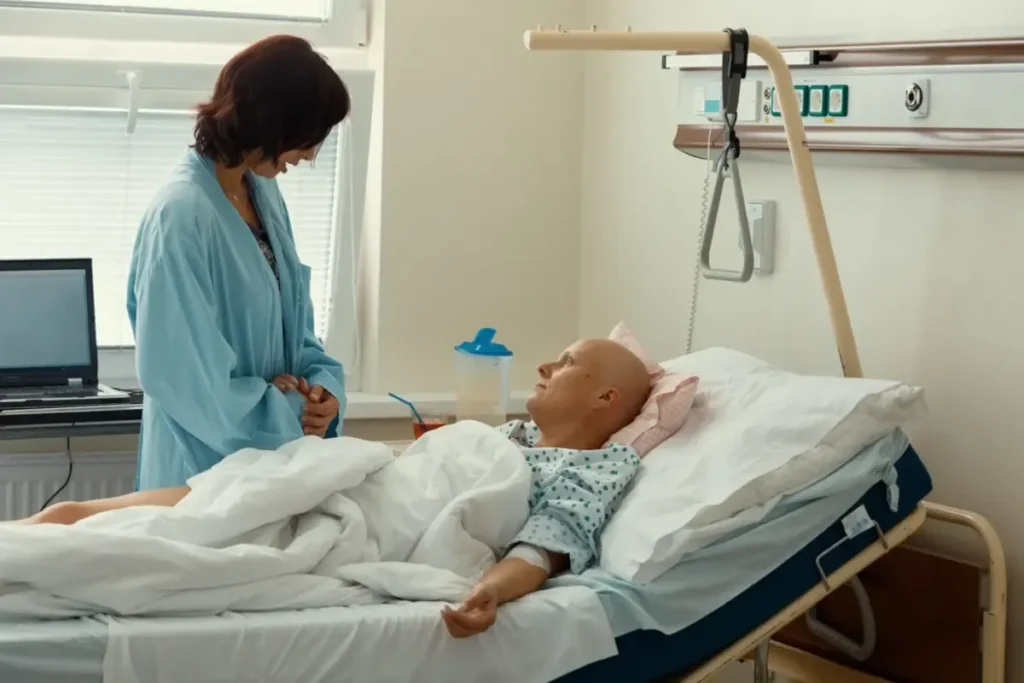
Managing Hair Loss During Breast Cancer Therapy
While hair loss is often an unavoidable side effect, there are several strategies to lessen its impact and protect the scalp. Early preparation can improve comfort and preserve self‑esteem throughout treatment.
Scalp Care Practices
- Use a gentle, sulfate‑free shampoo and avoid harsh chemicals.
- Apply a moisturizing conditioner to reduce brittleness.
- Limit heat styling and tight hairstyles that pull on fragile strands.
- Consider a cool‑water rinse to soothe irritated follicles.
Medical Options for Reducing Hair Loss
Some patients explore pharmacologic agents such as minoxidil to promote follicle health. Although studies on “minoxidil side effects cancer” are limited, topical use is generally considered safe when applied after chemotherapy cycles. Always discuss with your oncologist before starting any new medication.
Wigs, Headcovers, and Cosmetic Solutions
High‑quality wigs and headscarves can provide immediate confidence. The American Cancer Society recommends selecting breathable, lightweight materials to avoid scalp overheating. Custom‑made wigs offer a natural look, while ready‑made options are more affordable.
Nutrition and Supplements
Maintaining a balanced diet rich in protein, iron, zinc, and biotin supports hair follicle resilience. Some patients find that omega‑3 fatty acids help reduce inflammation, though evidence is anecdotal.
- Protein: lean meats, legumes, dairy.
- Iron: leafy greens, fortified cereals.
- Zinc: nuts, seeds, whole grains.
- Biotin: eggs, nuts, salmon.
Implementing these measures can make the hair‑loss phase more manageable, allowing you to focus on cancer treatment itself.
What to Expect After Treatment: Hair Regrowth and Long‑Term Care
Hair often begins to grow back once chemotherapy cycles are completed, but the timeline varies widely. Understanding the typical phases can help set realistic expectations.
Hair Regrowth Timeline
- Weeks 1–4: New fine, often colorless “peach fuzz” appears.
- Months 2–6: Hair thickens, color returns, and texture normalizes.
- Months 6–12: Full density may be restored, though some patients notice lingering thinning.
Factors influencing regrowth include age, genetic predisposition, the specific chemotherapy regimen, and whether radiation was used. In some cases, especially after high‑dose radiation, permanent alopecia can occur in the irradiated field.
Supporting Regrowth
Gentle scalp massage stimulates blood flow and can enhance follicle activity. Low‑level laser therapy (LLLT) has shown promise in accelerating regrowth for some patients, though more research is needed.
When Regrowth Is Incomplete
If hair does not return to its pre‑treatment density, options such as scalp micropigmentation, hair‑building fibers, or medical‑grade hair transplants may be considered. Consulting a specialist in integrative hair restoration can help determine the most suitable approach.
Patience and consistent care are key. Most patients experience meaningful regrowth within the first year, and the psychological benefits of seeing new hair can be substantial.
Emotional and Psychological Support for Hair Loss in Breast Cancer
The loss of hair can be a visible reminder of illness, affecting self‑image and emotional wellbeing. Addressing the psychological impact is as important as managing the physical symptoms.
Impact on Self‑Esteem
Studies show that women who experience hair loss during breast cancer treatment report higher levels of anxiety and lower body image scores. The sudden change can trigger feelings of vulnerability, especially in social or professional settings.
Support Resources
- Peer support groups—both in‑person and online—provide shared experiences and coping tips.
- Professional counseling, including cognitive‑behavioral therapy, helps reframe negative thoughts.
- Creative expression workshops (art, music, writing) can serve as therapeutic outlets.
Integrative Approaches
Mind‑body techniques such as meditation, yoga, and guided imagery have been shown to reduce stress and improve overall quality of life during cancer treatment. Incorporating these practices can lessen the emotional burden associated with hair loss.
Remember that seeking help is a sign of strength. A comprehensive care plan that includes mental health support can significantly improve resilience and satisfaction throughout the cancer journey.
Hair Restoration Options After Breast Cancer Treatment
For patients whose hair does not fully recover, modern restoration techniques offer lasting solutions. Gold City Medical Center’s integrative approach combines medical expertise with aesthetic precision.
Hair Transplant Surgery
Follicular unit extraction (FUE) and follicular unit transplantation (FUT) are the two primary methods. Both involve relocating healthy follicles from a donor area (usually the back of the scalp) to thinning zones. Success rates exceed 90% when performed by experienced surgeons, and results can be visible within 6–12 months.
Platelet‑Rich Plasma (PRP) Therapy
PRP uses the patient’s own blood components to stimulate hair growth. Small injections into the scalp can improve density and thickness, especially when combined with minoxidil. While not a replacement for transplant surgery, PRP serves as a valuable adjunct.
Scalp Micropigmentation
This non‑surgical technique creates the illusion of hair density by depositing pigment into the scalp. It is particularly useful for patients with extensive radiation‑induced alopecia where follicles are no longer viable.
Choosing the Right Path
- Assess scalp health and donor hair availability.
- Consider personal goals, budget, and recovery time.
- Consult with a multidisciplinary team to align medical safety with aesthetic outcomes.
Gold City Medical Center’s specialists collaborate across oncology, dermatology, and cosmetic surgery to design personalized restoration plans that respect each patient’s unique journey.
Why Choose Gold City Medical Center
Gold City Medical Center offers an integrative healthcare model that unites oncology expertise with advanced cosmetic and hair restoration services. Our multidisciplinary team understands the physical and emotional dimensions of breast cancer and hair loss, delivering personalized treatment plans that prioritize safety, effectiveness, and patient confidence. With state‑of‑the‑art facilities, compassionate care, and a proven track record in both medical and aesthetic outcomes, we are uniquely positioned to support you throughout every stage of your journey.
Ready to take control of your hair health during breast cancer treatment? Contact Gold City Medical Center today to schedule a personalized consultation and discover the supportive solutions we offer.
FAQ
Why does chemotherapy cause hair loss?
Chemotherapy targets rapidly dividing cells, including hair matrix cells, leading to diffuse hair thinning.
Can radiation therapy cause hair loss?
Yes, radiation can cause hair loss in the treated area, often limited to the radiation field.
What scalp care practices help during breast cancer treatment?
Gentle shampoo, moisturizing conditioner, cool‑water rinses, and avoiding heat styling protect the scalp.
When can I expect my hair to grow back after chemotherapy?
New fine hair often appears within 1‑4 weeks, with noticeable thickness returning by 6‑12 months.
What options are available if my hair does not fully regrow after treatment?
Wigs, scalp micropigmentation, hair‑building fibers, PRP therapy, and hair transplant surgery are common solutions.





