Breathing techniques for anxiety are simple, evidence‑based tools that help calm the nervous system without medication. In a world where stressors are constant, learning how to regulate your breath can be a game‑changer for mental wellbeing. Studies show that focused breathing can lower heart rate by up to 20% within minutes, offering immediate relief during a panic episode.
This article explores the science behind breath control, presents practical exercises you can start today, and explains how to integrate these methods into a sustainable self‑care routine. Whether you experience occasional nervousness or chronic anxiety, mastering breathwork equips you with a portable, drug‑free coping strategy.
We will also highlight how Gold City Medical Center supports patients who want to combine breathwork with professional care, ensuring a holistic approach to anxiety management.
Understanding the Connection Between Breath and Anxiety
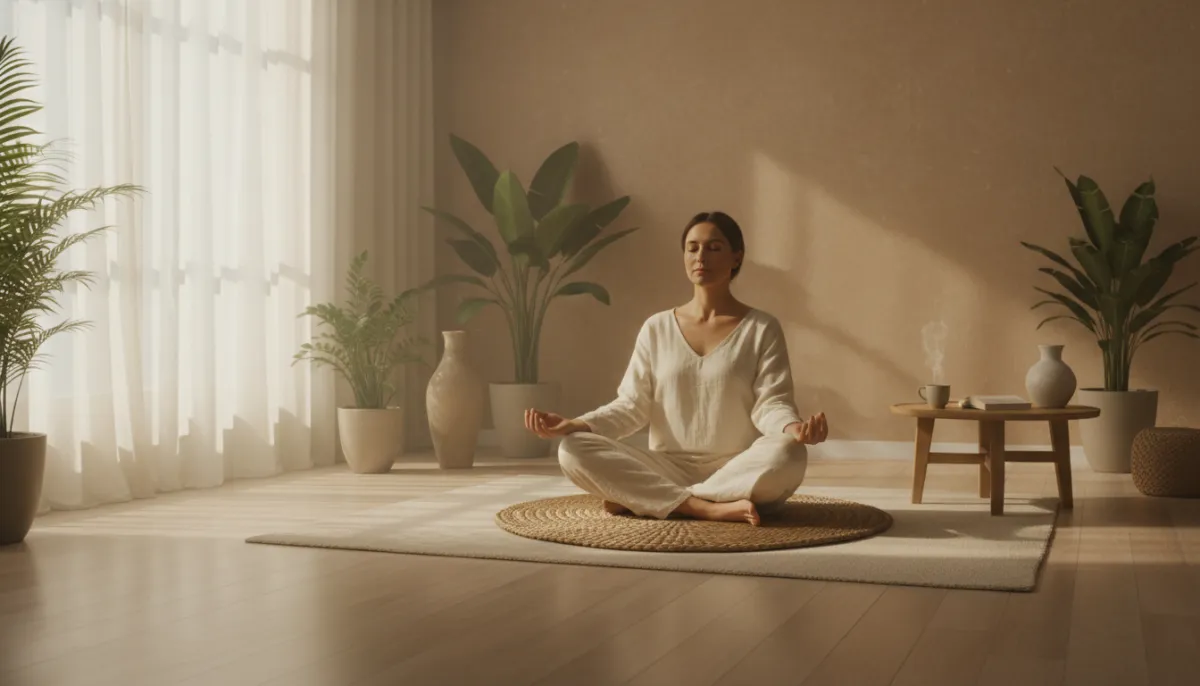
The act of breathing is more than a physiological necessity; it is a direct line to the autonomic nervous system. When you inhale, the diaphragm contracts, sending signals that can activate the vagus nerve, the primary conduit of the parasympathetic (rest‑and‑digest) response. Engaging this pathway reduces cortisol levels, slows heart rate, and creates a sense of safety.
The Role of the Vagus Nerve
Stimulating the vagus nerve through slow, rhythmic breaths can improve vagal tone, a marker of resilience to stress. Techniques such as box breathing and the 4‑7‑8 method are specifically designed to enhance this stimulation.
- Slow inhalation (4 seconds) expands the lungs and activates stretch receptors.
- Brief pause (1‑2 seconds) allows the nervous system to register the breath.
- Controlled exhalation (6‑8 seconds) triggers the vagus nerve to signal relaxation.
Below is a quick comparison of common breathing patterns and their physiological impact:
| Pattern | Inhale (sec) | Hold (sec) | Exhale (sec) | Typical Effect |
|---|---|---|---|---|
| Normal | 2‑3 | 0 | 2‑3 | Baseline sympathetic activity |
| Deep Breathing | 4‑5 | 1‑2 | 6‑7 | Increased parasympathetic response |
| Box Breathing | 4 | 4 | 4 | Balanced autonomic regulation |
| 4‑7‑8 Breathing | 4 | 7 | 8 | Strong vagal stimulation, rapid calm |
Understanding these mechanisms helps you select the most suitable breathing exercise for your anxiety level and lifestyle.
Simple Deep Breathing Exercises for Immediate Relief
When anxiety spikes, you need a technique that can be performed anywhere in just a few minutes. Below are three proven methods, each rooted in the same physiological principles but differing in rhythm and focus.
1. Classic Deep Breathing
1. Sit upright, shoulders relaxed.
2. Inhale slowly through the nose for a count of 5.
3. Hold the breath for 2 seconds.
4. Exhale gently through the mouth for a count of 7.
5. Repeat for 5 cycles.
This simple pattern lowers heart rate and can be done while waiting in line, at a desk, or in a quiet room.
2. Box Breathing (Square Breathing)
1. Inhale to a count of 4.
2. Hold the breath for 4 seconds.
3. Exhale for 4 seconds.
4. Hold again for 4 seconds.
5. Continue for 4–6 minutes.
Box breathing is popular among athletes and military personnel because it creates a steady rhythm that steadies the mind.
3. 4‑7‑8 Breathing
1. Inhale quietly through the nose for 4 seconds.
2. Hold the breath for 7 seconds.
3. Exhale fully through the mouth for 8 seconds.
4. Perform 3–4 cycles before sleep or during a panic attack.
Research suggests the extended exhalation phase maximally engages the vagus nerve, delivering rapid calm.
Integrating any of these deep breathing exercises for anxiety into a short routine can dramatically reduce perceived stress within minutes.
Integrating Breathwork into Daily Routines
For lasting anxiety relief, breathwork must become a habit rather than a one‑off fix. Below is a sample schedule that blends short micro‑sessions with longer practice periods, fitting into typical work‑life patterns.
| Time of Day | Duration | Technique | Goal |
|---|---|---|---|
| Morning (upon waking) | 5 minutes | 4‑7‑8 Breathing | Set a calm tone for the day |
| Mid‑morning break | 2 minutes | Box Breathing | Reset focus and reduce micro‑stress |
| Lunch hour | 5 minutes | Guided Deep Breathing | Re‑energize and lower cortisol |
| Evening (pre‑dinner) | 3 minutes | Progressive Muscle Relaxation + Breath | Prepare body for relaxation |
| Night (before sleep) | 7 minutes | 4‑7‑8 Breathing | Promote restful sleep |
Consistency is key. Even a two‑minute “micro‑breath” session during a stressful meeting can lower adrenaline, while a dedicated evening practice improves overall vagal tone, making you more resilient to future stressors.
Advanced Breathwork Techniques for Long‑Term Anxiety Management
Beyond basic exercises, advanced practices such as pranayama and resonant breathing can deepen the therapeutic impact. These methods are often taught in yoga and mindfulness programs but have scientific backing for anxiety reduction.
Alternate Nostril Breathing (Nadi Shodhana)
1. Sit comfortably, spine straight.
2. Close the right nostril with the thumb, inhale through the left for 4 counts.
3. Close the left nostril with the ring finger, release the right, exhale for 4 counts.
4. Inhale through the right nostril for 4 counts.
5. Switch sides and exhale through the left for 4 counts.
6. Complete 5 cycles.
This technique balances the left (parasympathetic) and right (sympathetic) hemispheres, fostering mental equilibrium.
Resonant (Coherent) Breathing
Resonant breathing targets a breath rate of about 5–6 breaths per minute (≈5‑second inhale, 5‑second exhale). At this rhythm, heart‑rate variability peaks, indicating optimal autonomic balance.
- Use a metronome or breathing app to maintain the cadence.
- Practice for 10‑15 minutes daily.
- Notice improvements in mood, focus, and sleep quality.
While these practices require a bit more dedication, they are especially beneficial for individuals with chronic anxiety or those who have already incorporated basic techniques into their routine.
When to Seek Professional Help and Complementary Therapies
Breathing techniques are powerful, but they are not a substitute for professional assessment when anxiety interferes with daily functioning. Consider reaching out to a qualified practitioner if you notice any of the following:
- Persistent panic attacks lasting more than a few minutes.
- Physical symptoms such as rapid heartbeat, chest pain, or shortness of breath that do not improve with breathwork.
- Difficulty maintaining relationships, work performance, or self‑care.
- Co‑occurring mood disorders like depression.
Gold City Medical Center offers an integrative approach that blends breathwork with evidence‑based therapies, including cognitive‑behavioral therapy (CBT), medication management, and lifestyle counseling. Our multidisciplinary team can tailor a plan that respects your preferences while addressing the underlying physiological and psychological factors of anxiety.
Why Choose Gold City Medical Center
Gold City Medical Center combines medical expertise with holistic wellness, offering personalized anxiety management that includes guided breathwork, stress‑reduction programs, and comprehensive health assessments. Our certified professionals understand the interplay between the nervous system and emotional health, ensuring you receive safe, effective, and compassionate care.
Ready to take control of your anxiety with proven breathing techniques and professional support? Contact Gold City Medical Center today to schedule a consultation and start your journey toward lasting calm.
FAQ
What are the benefits of breathing techniques for anxiety?
Breathing techniques can quickly lower heart rate, reduce cortisol, and activate the parasympathetic nervous system, providing fast relief from anxiety symptoms.
How does box breathing differ from other breathing methods?
Box breathing uses equal counts for inhale, hold, exhale, and hold, creating a balanced rhythm that steadies the mind and autonomic nervous system.
Can breathing exercises replace professional anxiety treatment?
No, breathing techniques are a complementary tool and should not replace professional assessment when anxiety severely impacts daily life.
What is the 4‑7‑8 breathing method and why is it effective?
The 4‑7‑8 method uses a 4‑second inhale, 7‑second hold, and 8‑second exhale to maximize vagal stimulation and induce rapid calm.
How can I incorporate breathwork into a busy daily schedule?
Use short micro‑sessions (1‑2 minutes) during breaks and longer dedicated practices at key times like morning and bedtime.





