Many people wonder can bald spots grow back and what steps can encourage that process. Whether you notice a small patch or a larger area of thinning, the prospect of restoring hair can feel both hopeful and confusing. This article explains the underlying reasons for bald spots, the science behind hair regrowth, and the range of treatments—from natural approaches to advanced medical procedures—that can help you decide the best path forward.
According to recent dermatology surveys, roughly 30% of adults experience some form of localized hair loss, making it a common concern across ages and genders. Understanding why a bald spot forms is the first step toward answering the question of regrowth. In the sections below, we will explore the biology of hair follicles, the role of conditions such as alopecia areata, and the realistic expectations for hair restoration.
By the end of this guide, you will have a clear picture of the factors that influence whether bald spots can grow back, the most effective treatments available, and practical lifestyle tips to support healthy hair growth.
Causes of Bald Spots and Their Impact on Regrowth
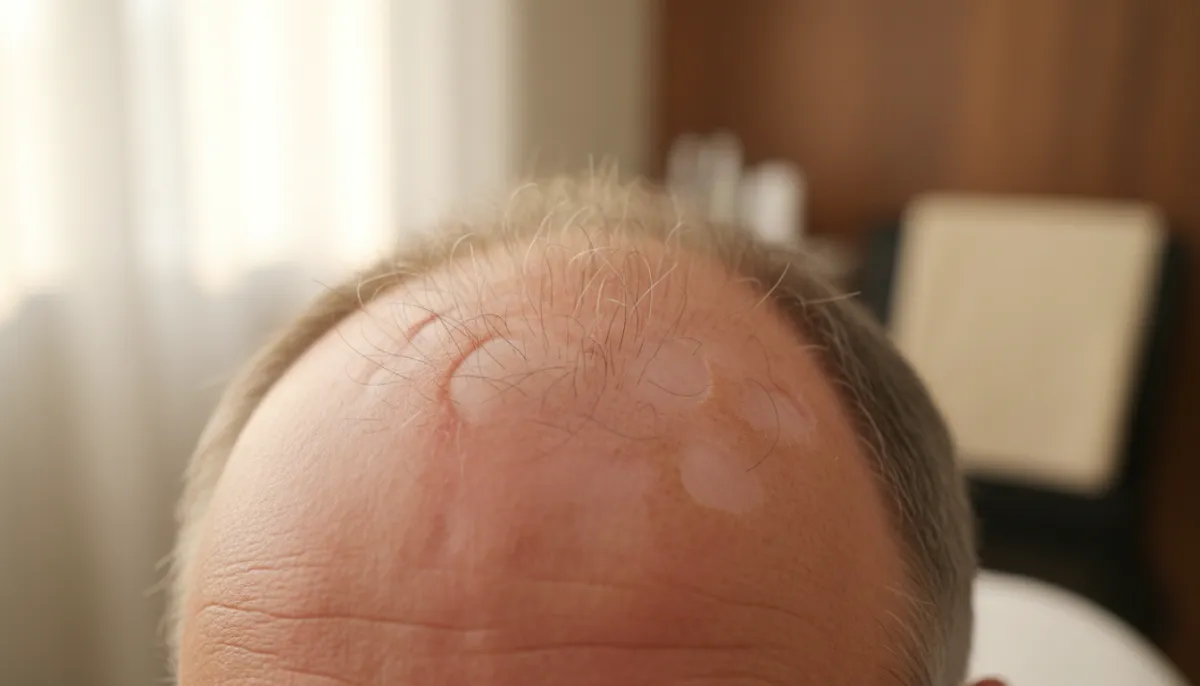
Bald spots can arise from a variety of underlying causes, each influencing the potential for hair to return. The most common categories include autoimmune reactions, hormonal imbalances, genetic predisposition, and external stressors.
Autoimmune Conditions
Alopecia areata is an autoimmune disorder where the body’s immune system mistakenly attacks hair follicles, leading to sudden, round bald patches. While some individuals experience spontaneous regrowth within months, others may face chronic episodes. Early intervention with topical or injectable corticosteroids can improve the chances of hair returning.
Hormonal Factors
Androgenetic alopecia, often called male or female pattern baldness, is driven by dihydrotestosterone (DHT) affecting follicle miniaturization. In these cases, the follicles shrink and eventually stop producing visible hair, making natural regrowth less likely without medical assistance.
Genetic Influences
Family history plays a significant role. If close relatives have experienced bald spots, the likelihood of similar patterns increases, especially when combined with hormonal factors.
External Stressors
Traction from tight hairstyles, severe nutritional deficiencies, and certain medications can trigger temporary hair loss. Removing the offending factor often allows follicles to recover, leading to possible regrowth.
| Cause | Typical Pattern | Regrowth Potential |
|---|---|---|
| Alopecia Areata | Round patches | High (with treatment) |
| Androgenetic Alopecia | Receding hairline, crown thinning | Low without medical aid |
| Traction Alopecia | Linear or triangular patches | Moderate if caught early |
| Nutritional Deficiency | Diffuse thinning | High after correction |
Understanding the specific cause of your bald spot is essential because it directly determines whether can bald spots grow back is a realistic expectation and which treatment route will be most effective.
Natural Hair Regrowth: What Science Says
While medical interventions dominate the conversation, many individuals first explore natural options to see if their bald spots can grow back without prescription drugs. Scientific research provides insight into which approaches have measurable benefits.
Topical Essential Oils
Studies suggest that rosemary oil, when diluted and applied to the scalp, can improve circulation and stimulate hair follicles. A 2015 trial comparing rosemary oil to minoxidil found comparable results in increasing hair count after six months.
Dietary Supplements
Biotin, zinc, and iron are frequently recommended for hair health. Deficiencies in these nutrients can impair keratin production, the protein that forms hair strands. Supplementation should be guided by blood tests to avoid excess intake.
Scalp Massage and Microneedling
Mechanical stimulation through regular scalp massage or microneedling devices creates micro-injuries that trigger growth factors. Clinical trials report a modest increase in hair density when combined with topical minoxidil, but even alone, massage can enhance blood flow.
- Use a gentle, circular massage for 5 minutes daily.
- Consider a dermaroller with 0.5 mm needles once a week.
- Combine with a proven hair growth serum for best results.
Natural methods can be effective for certain types of hair loss, especially when the follicles remain viable. However, if the underlying cause is hormonal or genetic, these approaches may only slow progression rather than fully reverse bald spots.
Medical Treatments and Therapies for Bald Spot Recovery
When natural strategies are insufficient, medical treatments offer higher success rates for answering the question can bald spots grow back. Below are the most widely used therapies, along with their mechanisms and expected outcomes.
Topical Minoxidil
Minoxidil (2% for women, 5% for men) is an FDA‑approved vasodilator that prolongs the anagen (growth) phase of hair follicles. Consistent twice‑daily application can lead to visible regrowth in 12–16 weeks for many users.
Oral Finasteride
Finasteride inhibits the conversion of testosterone to DHT, addressing the hormonal driver of androgenetic alopecia. Clinical data show that 70% of men experience halted hair loss, and 30% see new growth after one year of treatment.
Platelet‑Rich Plasma (PRP) Therapy
PRP involves drawing the patient’s blood, concentrating platelets, and injecting them into the scalp. Growth factors released by platelets stimulate follicular activity. Studies report a 30–40% improvement in hair density after three to four sessions.
Low‑Level Laser Therapy (LLLT)
LLLT devices emit red light that penetrates the scalp, enhancing cellular metabolism. Meta‑analyses indicate modest but statistically significant gains in hair thickness, particularly when combined with other treatments.
| Treatment | Mode of Action | Typical Timeline | Success Rate* |
|---|---|---|---|
| Minoxidil | Vasodilation, prolongs anagen | 3–4 months | ~45% noticeable regrowth |
| Finasteride | DHT inhibition | 6–12 months | ~30% new growth |
| PRP | Growth factor stimulation | 3–6 months | ~35% improvement |
| LLLT | Cellular metabolism boost | 4–6 months | ~25% thickness increase |
Medical treatments significantly increase the likelihood that bald spots can grow back, especially when the underlying follicles are still alive. A dermatologist can tailor a regimen based on the specific diagnosis and patient preferences.
Hair Transplant Options and When They Are Needed
For individuals with permanent follicle loss or extensive bald spots, transplantation may be the most reliable solution. Understanding the techniques and candidacy criteria helps answer the lingering question of whether a bald spot can ever truly be restored.
Follicular Unit Extraction (FUE)
FUE removes individual follicular units from a donor area (typically the back of the scalp) and implants them into the bald zone. The method leaves minimal scarring and offers a natural hairline reconstruction. Typical graft survival rates exceed 90% when performed by experienced surgeons.
Follicular Unit Transplantation (FUT)
FUT involves harvesting a strip of scalp from the donor region, dissecting it into grafts, and transplanting them. While it may leave a linear scar, FUT can yield a larger number of grafts in a single session, making it suitable for extensive balding.
Robotic-Assisted Transplant
Advanced robotic systems increase precision in graft extraction and placement, reducing human error and improving consistency. Patients often experience shorter procedure times and faster recovery.
- Ideal candidates: stable hair loss for at least 1 year.
- Recovery: 7–10 days for mild swelling; full results appear after 9–12 months.
- Longevity: Transplanted hairs are typically permanent.
Hair transplantation directly answers the question of regrowth by physically relocating healthy follicles. While it does not stimulate new growth in the original bald spot, it provides a permanent, natural‑looking solution for those seeking complete restoration.
Lifestyle and Home Care Strategies to Support Hair Growth
Even with medical or surgical interventions, everyday habits play a crucial role in maintaining the health of existing hair and supporting any regrowth that occurs. Below are evidence‑based recommendations to maximize the chances that bald spots can grow back.
Nutrition
Protein is the building block of keratin. Include lean meats, legumes, and dairy in your diet. Omega‑3 fatty acids, found in fish and flaxseed, reduce inflammation and improve scalp circulation.
Stress Management
Chronic stress elevates cortisol, which can push hair follicles into the telogen (resting) phase. Practices such as mindfulness meditation, yoga, and regular physical activity help keep stress hormones balanced.
Scalp Hygiene
A clean scalp prevents follicle blockage. Use a gentle, sulfate‑free shampoo and avoid excessive heat styling, which can damage hair shafts and irritate the skin.
Sleep Quality
During deep sleep, the body releases growth hormone, essential for tissue repair, including hair follicles. Aim for 7–9 hours of uninterrupted sleep each night.
Integrating these lifestyle adjustments with any chosen treatment plan creates a synergistic effect, improving overall outcomes and fostering an environment where hair can successfully regrow.
Why Choose Gold City Medical Center
Gold City Medical Center combines cutting‑edge medical expertise with a holistic approach to hair health. Our team of experienced dermatologists and hair restoration specialists offers personalized assessments, state‑of‑the‑art treatments such as PRP, laser therapy, and advanced FUE hair transplant techniques. We prioritize patient safety, comfort, and long‑term results, ensuring every individual receives a tailored plan that aligns with their unique hair loss pattern and goals.
Ready to explore whether your bald spots can grow back? Contact Gold City Medical Center today for a comprehensive consultation and start your journey toward fuller, healthier hair.
FAQ
Can bald spots grow back naturally?
Yes, some bald spots can regrow naturally, especially when caused by temporary factors like stress or nutritional deficiencies.
What are the most common causes of bald spots?
Common causes include alopecia areata, androgenetic alopecia, genetic predisposition, and external stressors like traction or nutrient deficiencies.
How effective is minoxidil for regrowing bald spots?
Minoxidil can produce visible regrowth in about 45% of users after 3–4 months of consistent use.
Is PRP therapy a good option for hair regrowth?
PRP can improve hair density by 30‑40% after several sessions, making it a viable option for many patients.
What is the difference between FUE and FUT hair transplants?
FUE extracts individual follicles with minimal scarring; FUT removes a strip of scalp for larger graft numbers but leaves a linear scar.
Which lifestyle changes can support hair growth?
Balanced nutrition, regular scalp massage, stress management, and avoiding harsh hair practices can all promote healthier hair growth.





