Can depression cause hair loss? This common question reflects growing concern as more individuals notice thinning strands while coping with mood disorders. In this article we examine the biological pathways, stress‑related factors, and medication influences that link depressive states to hair shedding. Over 30 % of patients with chronic depression report noticeable changes in hair density, highlighting a clear clinical pattern.
Hair loss is not merely a cosmetic issue; it can affect self‑esteem and exacerbate depressive symptoms, creating a feedback loop that complicates treatment. By understanding the underlying mechanisms, you can take proactive steps to protect your scalp and support overall mental health.
We will explore the science behind telogen effluvium, the role of stress hormones, the impact of antidepressant medication, and practical guidelines for when professional evaluation is needed. Armed with this knowledge, you can make informed decisions and seek the right care at Gold City Medical Center.
The Link Between Mental Health and Hair Growth
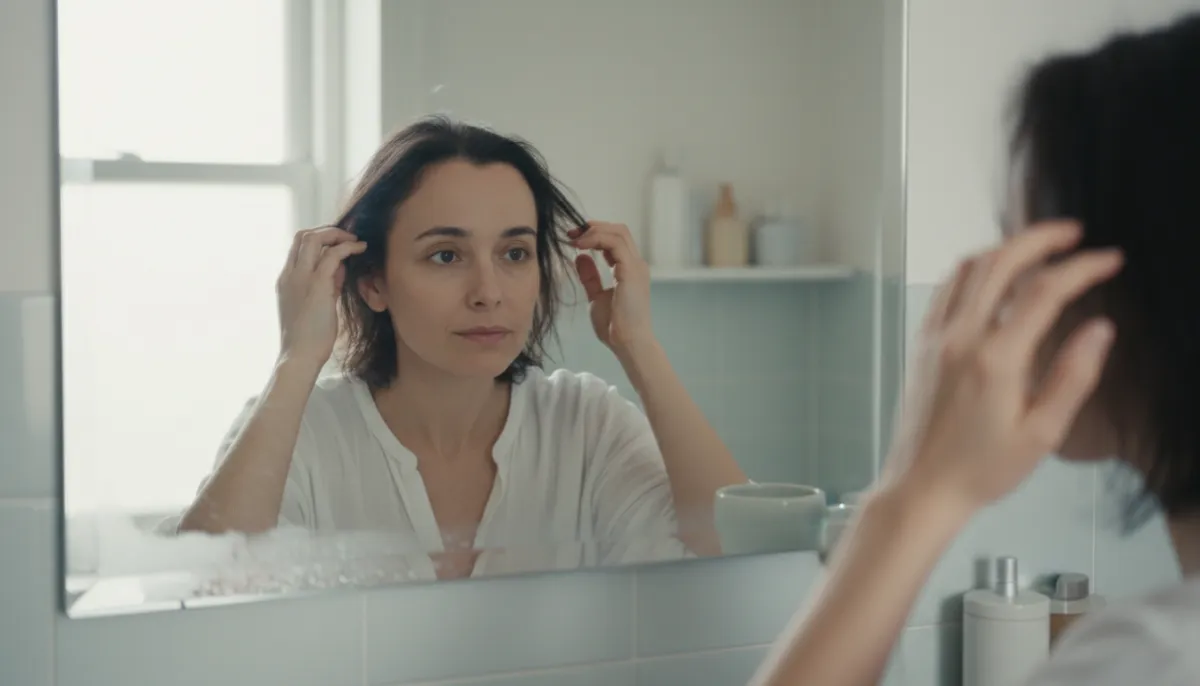
Depression triggers a cascade of hormonal changes that can disrupt the normal hair growth cycle. Elevated cortisol levels, commonly seen in chronic stress and depressive episodes, push hair follicles into the resting phase (telogen) prematurely. This phenomenon is known as telogen effluvium, a type of hair loss where large numbers of hairs shed simultaneously.
Key factors that connect mental health to hair shedding include:
- Increased cortisol and adrenaline, which shorten the anagen (growth) phase.
- Reduced blood flow to the scalp, limiting nutrient delivery.
- Altered immune response that can target hair follicles.
Research shows that individuals experiencing severe depressive episodes often notice a noticeable increase in hair loss telogen within weeks of the onset. This type of hair loss is usually diffuse rather than patchy, leading to the perception of “hair falling out in clumps.” While the condition is typically reversible, early intervention can accelerate recovery.
How Depression Affects the Body’s Hair Cycle
Under typical conditions, hair follicles follow a three‑phase cycle: anagen (growth), catagen (transition), and telogen (rest). In a healthy scalp, about 85‑90 % of hairs are in the anagen phase, providing robust coverage.
Depression can shift this balance dramatically. The table below contrasts a normal hair cycle with one disrupted by stress and depressive symptoms:
| Phase | Normal Percentage | Stress‑Induced Change |
|---|---|---|
| Anagen (growth) | 85‑90 % | Reduced to 60‑70 % |
| Catagen (transition) | 1‑2 % | Increased to 5‑7 % |
| Telogen (rest) | 10‑15 % | Elevated to 25‑30 % |
When a larger share of follicles enter telogen, the shedding becomes apparent as hair loss from stress or “hair moulting.” This pattern often emerges a few months after a depressive episode begins, aligning with the time required for follicles to complete the altered cycle.
Understanding this timeline helps clinicians differentiate telogen effluvium from other forms of alopecia, such as androgenetic alopecia, which have distinct treatment pathways.
Medication and Lifestyle Factors: What Can Worsen Hair Loss
While depression itself influences hair health, certain antidepressants may also contribute to shedding. Patients often ask, “does wellbutrin cause hair loss?” and “can lexapro cause hair loss?” Clinical observations suggest that selective serotonin reuptake inhibitors (SSRIs) like Lexapro can, in rare cases, trigger telogen effluvium, especially during the first few months of therapy.
Other lifestyle elements that amplify hair loss include:
- Poor nutrition—deficiencies in iron, zinc, and biotin are common in depressed individuals.
- Sleep disruption, which further elevates cortisol.
- Smoking and excessive alcohol consumption, both of which impair scalp circulation.
It is crucial to differentiate medication‑related shedding from the underlying depressive process. A thorough review of your medication list, combined with blood tests for nutrient levels, can pinpoint the exact cause and guide appropriate adjustments.
If you suspect that an antidepressant is affecting your hair, discuss alternatives with your psychiatrist. In many cases, switching to a medication with a lower hair‑loss profile or adding supplemental nutrients can restore normal hair growth.
When to Seek Professional Help for Hair Loss
Not all hair shedding requires urgent medical attention, but there are clear indicators that professional evaluation is warranted. Consider scheduling an appointment if you notice any of the following:
- Hair loss exceeding 100 strands per day for several consecutive days.
- Visible thinning on the crown or frontal scalp.
- Hair falling out in clumps or large patches.
- Accompanying scalp itching, redness, or pain.
Dermatologists can perform a trichoscopic examination, blood work, and a detailed medical history to determine whether the cause is stress‑induced, medication‑related, or a different type of alopecia. Early diagnosis increases the likelihood of successful treatment, whether through topical therapies, oral supplements, or integrative approaches.
At Gold City Medical Center, our specialists combine medical expertise with holistic care, offering personalized plans that address both mental health and hair restoration. If you wonder can depression cause hair loss, our team is ready to evaluate your condition and recommend evidence‑based solutions.
Integrative Treatments for Stress‑Related Hair Loss
Beyond medication adjustments, several integrative treatments can mitigate the impact of depression on hair follicles. These approaches aim to reduce cortisol, improve scalp circulation, and support follicle health.
Common modalities include:
- Low‑Level Laser Therapy (LLLT) – stimulates cellular activity and promotes anagen phase extension.
- Platelet‑Rich Plasma (PRP) Injections – delivers growth factors directly to the scalp.
- Scalp Microneedling – enhances nutrient absorption and triggers regeneration.
- Nutritional supplementation – iron, vitamin D, biotin, and omega‑3 fatty acids.
- Stress‑management techniques – mindfulness, yoga, and cognitive‑behavioral therapy.
Clinical studies indicate that combining LLLT with nutritional support can reduce telogen shedding by up to 40 % within three months. For patients experiencing severe stress‑related hair loss, a multidisciplinary plan that includes psychological counseling and targeted hair therapies yields the most durable results.
Choosing the right combination depends on individual health status, hair loss severity, and personal preferences. Our integrative team at Gold City Medical Center conducts a comprehensive assessment to tailor a regimen that aligns with your mental‑wellness goals and aesthetic expectations.
Why Choose Gold City Medical Center
Gold City Medical Center offers a unique blend of medical expertise and aesthetic care, ensuring that patients receive comprehensive solutions for both depression‑related hair loss and overall well‑being. Our team combines dermatologists, psychiatrists, and hair‑restoration specialists to create personalized treatment plans that address the root causes of hair shedding. With state‑of‑the‑art facilities and a commitment to evidence‑based practice, we help you regain confidence and achieve lasting results.
Ready to take control of your hair health? Contact Gold City Medical Center today for a confidential consultation and discover a tailored approach that supports both your mental and physical well‑being.
FAQ
Can depression cause hair loss?
Yes, depression can trigger hair loss mainly through stress‑related hormonal changes that push follicles into the resting (telogen) phase.
What is telogen effluvium and how is it related to stress?
Telogen effluvium is a temporary hair‑loss condition where many follicles enter the telogen phase simultaneously, often triggered by stress or illness.
Which antidepressants are known to cause hair shedding?
Selective serotonin reuptake inhibitors (SSRIs) like Lexapro and, rarely, medications such as Wellbutrin have been reported to trigger telogen effluvium in some patients.
How can I tell if my hair loss is due to depression or another condition?
Look for diffuse shedding, timing with depressive episodes, and accompanying stress signs; a dermatologist can perform tests to rule out other alopecias.
What treatments are effective for stress‑related hair loss?
Integrative options include low‑level laser therapy, PRP injections, scalp microneedling, nutritional supplementation, and stress‑management techniques.
When should I see a dermatologist for hair loss?
Seek a dermatologist if you lose more than 100 strands per day, notice visible thinning, experience clumped shedding, or have scalp pain or inflammation.
Can nutritional supplements help with depression‑related hair loss?
Yes, correcting deficiencies in iron, zinc, biotin, vitamin D, and omega‑3s can support hair follicle health and reduce shedding.





