Many people wonder can greasy hair cause hair loss and whether the extra oil on their scalp is a hidden threat to hair health. The answer is not always straightforward, but understanding the relationship between an oily scalp and hair shedding can help you take proactive steps. In this article we explore the science behind sebum production, common misconceptions, and practical strategies to keep both your scalp and strands thriving.
According to dermatological studies, up to 30 % of individuals with persistent oily scalp report noticeable hair thinning within a year. While oil itself does not directly “pull” hair out, it can create an environment that encourages follicle inflammation, clogged pores, and fungal overgrowth—all factors that may accelerate hair fall.
We’ll break down how excessive sebum interacts with the hair follicle, identify lifestyle habits that worsen the condition, and outline evidence‑based treatments you can adopt today. Whether you’re dealing with occasional greasiness or chronic oiliness, the insights below will equip you to protect your hair from unnecessary shedding.
Understanding Greasy Hair and Its Effects on Scalp Health
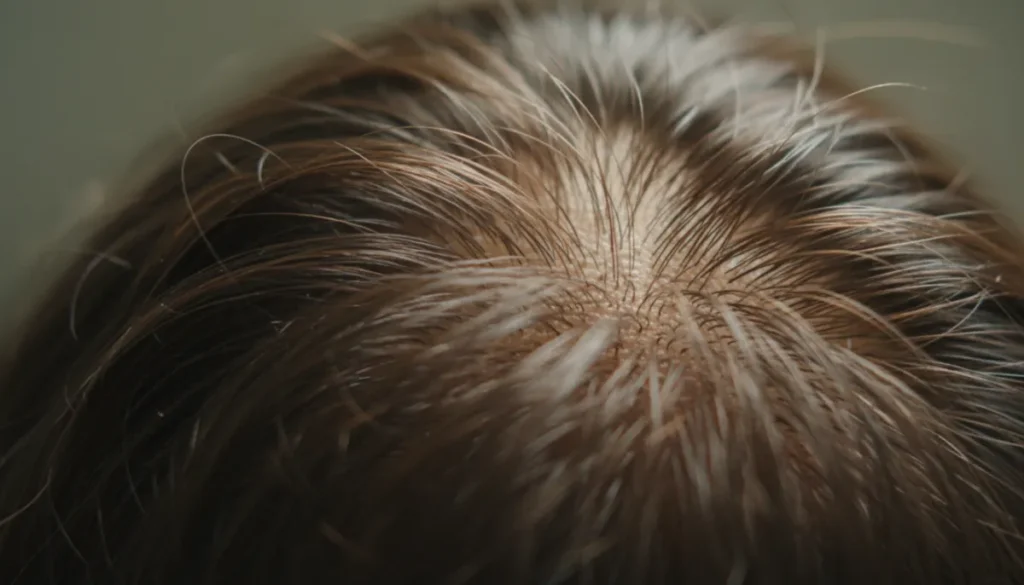
Greasy hair is primarily the result of overactive sebaceous glands producing more sebum than the skin needs. Sebum is essential for protecting the scalp, but when its balance is disrupted, the excess oil can trap dirt, dead skin cells, and bacteria.
Key factors that influence oil production include genetics, hormonal fluctuations (especially androgen levels), diet high in refined sugars, and certain medications. An oily scalp may also be a symptom of underlying skin conditions such as seborrheic dermatitis or psoriasis.
When sebum accumulates, it can block hair follicles, leading to a condition known as folliculitis. This inflammation weakens the hair shaft at its root, making it more susceptible to breakage and shedding. Moreover, a greasy environment fosters the growth of Malassezia yeast, which can exacerbate scalp irritation and contribute to hair thinning.
- Genetic predisposition – family history of oily skin
- Hormonal changes – puberty, pregnancy, thyroid disorders
- Diet – high glycemic index foods, excessive dairy
- Hair care habits – infrequent washing, heavy styling products
Understanding these triggers allows you to target the root cause rather than merely treating the symptom of greasiness.
How Excess Oil Can Contribute to Hair Shedding
While oil itself does not physically pull hair out, it creates conditions that can accelerate hair loss. The following mechanisms illustrate how an oily scalp can lead to increased hair shedding:
| Mechanism | Impact on Hair |
|---|---|
| Follicle blockage | Clogged pores restrict nutrient flow, weakening hair roots |
| Inflammation | Inflamed follicles shrink, shortening the hair growth phase |
| Microbial overgrowth | Yeast and bacteria produce irritants that damage hair shafts |
Research indicates that individuals with an oily scalp are more likely to experience hair shedding during seasonal changes, particularly in the winter months when humidity drops and the scalp’s oil balance is disrupted.
In addition, the presence of excess sebum can diminish the effectiveness of topical treatments. For example, minoxidil—commonly prescribed for hair regrowth—needs direct contact with the follicle. An oily barrier can dilute the medication, reducing its absorption and overall efficacy.
Common Myths: Shampoo, Styling Products, and Hair Loss
One of the most persistent myths is that shampoo itself can cause hair loss. In reality, the type of shampoo and how it is used are far more important. Harsh sulfates can strip natural oils, prompting the scalp to produce even more sebum as a compensatory response—potentially worsening greasiness.
Conversely, using a mild, pH‑balanced cleanser formulated for oily hair can help regulate oil production without over‑drying the scalp. Look for ingredients such as salicylic acid, tea tree oil, or zinc pyrithione, which gently exfoliate and control microbial growth.
Styling products like heavy gels, waxes, and pomades also contribute to buildup. These products can trap oil against the scalp, creating a perfect storm for follicle blockage. Opt for lightweight, water‑based alternatives and always cleanse thoroughly before bedtime.
Choosing the Right Shampoo
- Gentle surfactants (e.g., sodium lauryl sulfoacetate)
- Exfoliating agents (e.g., salicylic acid)
- Anti‑fungal ingredients (e.g., ketoconazole)
- Balancing moisturizers (e.g., glycerin)
Practical Steps to Manage Oily Scalp and Reduce Hair Fall
Implementing a consistent hair‑care regimen can dramatically improve scalp health and diminish hair loss. Below is a step‑by‑step guide that blends medical insight with everyday practicality:
- Wash with lukewarm water – Hot water stimulates sebum production, while cold water may not cleanse effectively.
- Use a clarifying shampoo twice a week – This helps remove excess oil and product residue without over‑stripping.
- Apply a scalp exfoliant – Products containing salicylic acid or gentle beads can clear clogged pores.
- Condition only the ends – Avoid applying conditioner to the scalp to prevent additional oil buildup.
- Limit heat styling – High temperatures can increase scalp oiliness and weaken hair fibers.
- Maintain a balanced diet – Incorporate omega‑3 fatty acids, zinc, and vitamins A & E to support healthy skin and hair.
For those seeking a more targeted approach, topical treatments such as niacinamide serums can regulate sebum production, while prescription‑grade options like oral finasteride may be considered for male pattern hair loss after a professional evaluation.
When to Seek Professional Help: Dermatologist and Treatment Options
If you have tried the above measures and still notice significant hair thinning, it may be time to consult a specialist. Persistent oily scalp combined with rapid hair loss can indicate underlying conditions such as hormonal imbalances, scalp psoriasis, or early‑stage alopecia.
A qualified dermatologist can perform a scalp biopsy, hormone panel, or trichoscopic analysis to pinpoint the exact cause. Treatment options may include:
- Prescription‑strength anti‑fungal shampoos (e.g., ketoconazole 2 %)
- Topical corticosteroids to reduce inflammation
- Oral medications such as isotretinoin for severe seborrhea
- Advanced hair restoration procedures, including PRP (Platelet‑Rich Plasma) therapy
At Gold City Medical Center, we combine integrative medicine with cutting‑edge cosmetic solutions to address both scalp health and hair restoration in a personalized manner.
Why Choose Gold City Medical Center
Gold City Medical Center offers a comprehensive approach to hair health, blending medical expertise with aesthetic excellence. Our team of experienced dermatologists and hair‑restoration specialists provides personalized diagnostics, state‑of‑the‑art treatments, and ongoing support to ensure lasting results. Whether you need a tailored scalp‑care regimen or advanced hair‑transplant solutions, we prioritize safety, effectiveness, and patient satisfaction.
Ready to reclaim a healthier scalp and fuller hair? Contact Gold City Medical Center today to schedule a personalized consultation and discover the best treatment plan for you.
FAQ
Can greasy hair cause hair loss?
Greasy hair itself doesn’t pull hair out, but excess oil can create conditions that lead to increased shedding.
How does excess oil affect hair follicles?
Excess oil can block follicles, reduce nutrient flow, and trigger inflammation that shortens the hair growth cycle.
What are the best shampoos for an oily scalp?
Mild, pH‑balanced shampoos with salicylic acid, tea tree oil, zinc pyrithione, or ketoconazole work well for oily scalps.
How can I reduce hair shedding caused by an oily scalp?
Adopt a regular cleansing routine, use scalp exfoliants, limit heavy styling products, and maintain a balanced diet rich in omega‑3s and zinc.
When should I see a dermatologist for oily scalp and hair loss?
If hair thinning persists despite proper care, or if you notice rapid loss, inflammation, or scalp lesions, consult a dermatologist.
Does using minoxidil work on an oily scalp?
Minoxidil can be less effective on an oily scalp because excess sebum may dilute the medication and hinder absorption.





