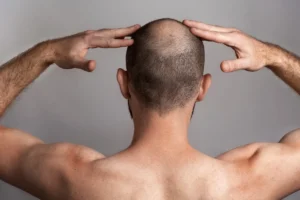
Many wonder can hormones cause hair loss, and the answer lies in the complex interplay of endocrine signals and scalp biology. Hormones act as messengers that regulate the hair growth cycle, and any disruption can shift follicles from the growth phase to shedding. This article explains the hormonal mechanisms behind hair loss, identifies common imbalances, and outlines diagnostic and treatment pathways.
Hair loss affects up to 40 % of the population at some point, with hormonal factors playing a pivotal role in both men and women. Whether you’re experiencing a receding hairline, diffuse thinning, or sudden shedding, understanding the hormonal roots can guide effective interventions.
We will explore the science of hormone‑driven alopecia, discuss how to recognize the signs, and provide practical advice on managing the condition through medical and lifestyle approaches.
Hormonal Mechanisms Behind Hair Growth and Loss
The hair follicle undergoes a cyclical process consisting of anagen (growth), catagen (regression), and telogen (rest). Hormones such as androgens, estrogen, thyroid hormones, and cortisol influence each phase. Elevated dihydrotestosterone (DHT), a derivative of testosterone, shortens the anagen phase and miniaturizes follicles, leading to androgenetic alopecia. Conversely, estrogen can prolong the growth phase, which is why many women notice less hair shedding during pregnancy.
Key hormonal pathways:
- Androgens: Drive male pattern baldness and contribute to female hair thinning.
- Thyroid hormones: Hyperthyroidism or hypothyroidism can cause diffuse hair loss.
- Cortisol: Chronic stress elevates cortisol, disrupting the hair cycle.
- Insulin: Insulin resistance may exacerbate follicular inflammation.
Understanding these mechanisms helps clinicians pinpoint the underlying cause when patients ask, “can hormones cause hair loss?”

Common Hormonal Imbalances That Lead to Alopecia
Several endocrine disorders are directly linked to hair loss. Recognizing the pattern of shedding can indicate which hormone is out of balance.
| Hormonal Imbalance | Typical Hair Loss Pattern | Associated Conditions |
|---|---|---|
| Elevated DHT | Receding hairline, vertex thinning | Male pattern baldness, PCOS |
| Thyroid Dysfunction | Diffuse thinning, hair shedding | Hypothyroidism, hyperthyroidism |
| High Cortisol | Telogen effluvium, sudden shedding | Chronic stress, Cushing’s syndrome |
| Estrogen Drop | Diffuse thinning, especially post‑menopause | Menopause, hormonal birth control changes |
| Insulin Resistance | Gradual thinning, especially on crown | Metabolic syndrome, type 2 diabetes |
Patients often report that hair loss coincided with life events such as pregnancy, menopause, or significant weight changes—times when hormone levels shift dramatically. Addressing the root hormonal cause can halt or even reverse the alopecia.
Diagnosing Hormone-Related Hair Loss: Tests and What to Expect
Accurate diagnosis begins with a thorough medical history and physical examination. Clinicians assess pattern of loss, family history, and any accompanying symptoms such as fatigue or menstrual irregularities.
Key diagnostic steps include:
- Blood panel: Measures testosterone, DHT, estrogen, thyroid‑stimulating hormone (TSH), free T4, cortisol, and insulin levels.
- Scalp biopsy: Determines follicular miniaturization and inflammation.
- Trichoscopy: Non‑invasive dermatoscopic evaluation of hair shafts and follicles.
- Hormone challenge tests: For suspected adrenal or pituitary disorders.
Results guide personalized treatment plans. For instance, elevated DHT may lead to prescribing finasteride, while low thyroid hormone prompts levothyroxine therapy.
Treatment Options: From Medication to Lifestyle Adjustments
When the question “can hormones cause hair loss” is answered affirmatively, treatment aims to restore hormonal balance and support follicle health.
Medical therapies:
- Finasteride or Dutasteride: Inhibit conversion of testosterone to DHT.
- Topical minoxidil: Extends the anagen phase.
- Thyroid hormone replacement: Normalizes TSH and free T4.
- Cortisol‑lowering strategies: Adaptogenic herbs, stress‑management programs.
- Insulin‑sensitizing agents: Metformin for PCOS‑related hair loss.
Lifestyle measures complement medication:
- Balanced diet rich in zinc, biotin, and omega‑3 fatty acids.
- Regular exercise to improve insulin sensitivity.
- Stress‑reduction techniques such as yoga or mindfulness.
- Avoiding harsh hair treatments that can exacerbate shedding.
In some cases, platelet‑rich plasma (PRP) therapy or low‑level laser therapy may stimulate dormant follicles, especially when hormonal therapy alone yields limited results.
When to Seek Professional Help: Hair Transplant Considerations
If hormonal therapy stabilizes the condition but does not restore density, a hair transplant may be the next step. Candidates typically have a stable hormonal profile for at least 12 months to ensure that transplanted follicles are not subjected to ongoing hormonal attacks.
Key considerations before transplant:
- Confirm that underlying hormonal issues are managed.
- Assess donor area quality – adequate healthy follicles are essential.
- Discuss realistic expectations based on pattern of loss.
- Plan postoperative care to maintain hormonal balance (e.g., continue minoxidil).
Gold City Medical Center offers state‑of‑the‑art follicular unit extraction (FUE) performed by experienced surgeons who coordinate with endocrinologists to optimize outcomes.
Why Choose Gold City Medical Center
At Gold City Medical Center, we combine integrative medicine with cutting‑edge hair restoration techniques. Our multidisciplinary team evaluates hormonal health, provides personalized treatment plans, and offers advanced transplant procedures—all under one roof. Patients benefit from a seamless experience that prioritizes safety, efficacy, and lasting results.
Ready to uncover the hormonal factors affecting your hair? Contact Gold City Medical Center today for a comprehensive evaluation and start your journey toward healthier, fuller hair.
FAQ
Can hormones cause hair loss?
Yes, hormonal fluctuations can disrupt the hair growth cycle and lead to various types of hair loss.
What hormones are most commonly linked to hair loss?
Androgens (especially DHT), estrogen, thyroid hormones, cortisol, and insulin are the primary hormones involved.
How is hormone‑related hair loss diagnosed?
Through a combination of medical history, physical exam, blood tests, scalp biopsy, and trichoscopy.
What treatment options exist for hormone‑induced hair loss?
Medications like finasteride, minoxidil, thyroid replacement, lifestyle changes, and advanced procedures such as PRP or laser therapy.
When should I consider a hair transplant for hormonal hair loss?
After achieving stable hormonal levels for at least 12 months and when medical therapy no longer restores density.
Can stress‑related cortisol affect hair loss?
Yes, chronic high cortisol can push hair follicles into the shedding (telogen) phase.
How does thyroid dysfunction lead to hair loss?
Both hypothyroidism and hyperthyroidism disrupt the hair growth cycle, causing diffuse thinning or shedding.