Many men wonder can male pattern baldness be reversed and search for solutions that restore thinning hair. Understanding the underlying mechanisms, the range of medical options, and realistic expectations is essential for anyone considering a hair‑restoration journey. In this article we explore the science behind androgenetic alopecia, review current and emerging treatments, and provide practical advice on lifestyle factors that support healthy hair growth.
According to recent dermatology surveys, approximately 30 % of men begin to lose hair before the age of 30, and over 50 % show noticeable balding by age 50. This prevalence underscores why the question “can male pattern baldness be reversed” is both timely and deeply personal. Whether you are looking for a quick fix, a long‑term strategy, or a combination of both, the information below will help you navigate the complex landscape of hair restoration.
We will cover the biological basis of hair loss, evaluate FDA‑approved medications, compare surgical options such as hair transplant, discuss promising new therapies, and outline natural approaches that complement medical treatment. By the end of the article you will have a clear roadmap for making an informed decision about your hair health.
Understanding Male Pattern Baldness
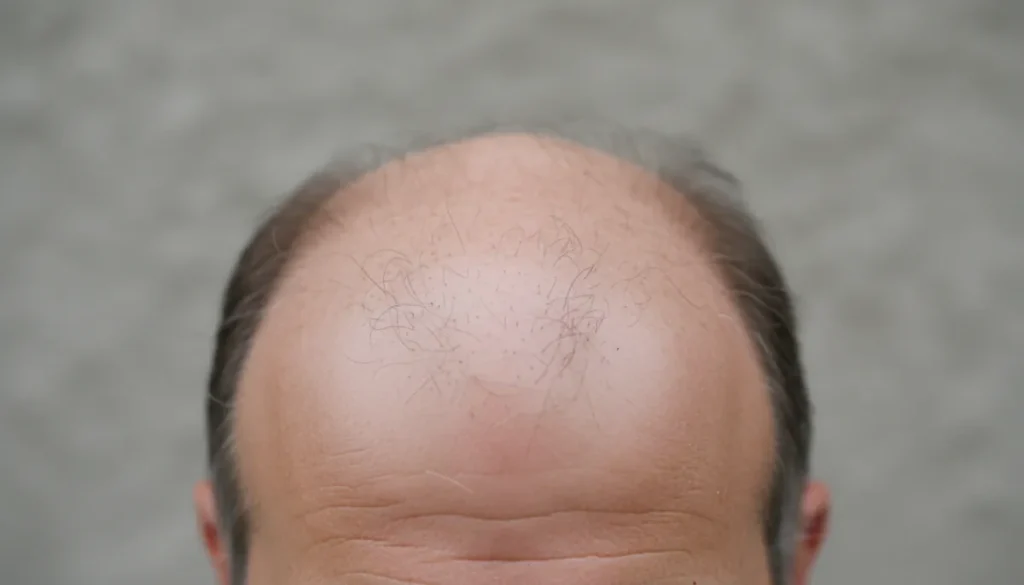
Male pattern baldness, medically known as androgenetic alopecia, is the most common form of hair loss in men. It is driven by a combination of genetic predisposition and the hormone dihydrotestosterone (DHT), which shrinks hair follicles and shortens the growth phase of each hair strand. Over time, affected follicles produce finer, shorter hairs until they stop producing hair altogether.
The typical progression follows a recognizable pattern: receding hairline at the temples, thinning at the crown, and eventual loss of the central scalp area. While the exact onset varies, the condition is largely hereditary; men with close relatives who experienced early hair loss are more likely to develop the same pattern.
Key factors influencing the rate of hair loss include:
- Genetic sensitivity to DHT
- Age and hormonal changes
- Nutrition and overall health
- Stress and lifestyle habits
Understanding these drivers helps clinicians tailor treatment plans that address both the hormonal and environmental components of hair loss. Although the process is progressive, several interventions can halt or even partially reverse the thinning, answering the core question of whether the condition is reversible.
Current Medical Treatments
Modern medicine offers several FDA‑approved options that directly target the hormonal cause of androgenetic alopecia. The two most widely used medications are finasteride for hair loss and topical minoxidil. Both have robust clinical data supporting their efficacy in slowing hair loss and, in many cases, promoting modest regrowth.
Finasteride works by inhibiting the enzyme 5‑alpha‑reductase, thereby reducing DHT levels in the scalp. Minoxidil, originally developed as a blood pressure medication, stimulates hair follicles through vasodilation and prolongs the anagen (growth) phase. When used consistently, patients often see visible improvement within 3–6 months.
In addition to medication, surgical solutions such as hair transplant provide permanent restoration by relocating healthy follicles from a donor area to the balding zone. Techniques like Follicular Unit Extraction (FUE) and Follicular Unit Transplantation (FUT) have refined graft survival rates and minimized scarring.
| Treatment | Mechanism | Typical Results | Duration of Effect |
|---|---|---|---|
| Finasteride (1 mg daily) | DHT inhibition | 30–50 % of users see reduced shedding and some regrowth | Continuous use required |
| Minoxidil (5 % topical) | Follicle stimulation | 15–30 % experience new hair growth | Continuous use required |
| Hair Transplant (FUE/FUT) | Follicle relocation | Natural‑looking density, permanent | One‑time procedure |
Choosing the right approach depends on factors such as the extent of balding, budget, and personal preferences. While medication can delay progression, a hair transplant often delivers the most dramatic visual improvement for those seeking a permanent solution.
Emerging Therapies and Hair Growth Products
Beyond the established medications, a growing number of innovative treatments aim to enhance hair density and accelerate regrowth. Platelet‑Rich Plasma (PRP) therapy, for example, involves injecting a concentration of the patient’s own platelets into the scalp to stimulate stem cells and improve vascular supply. Early studies suggest PRP can increase hair count by 15–30 % after a series of sessions.
Low‑Level Laser Therapy (LLLT) devices, such as laser combs and caps, deliver red light wavelengths that purportedly boost cellular metabolism in hair follicles. While results vary, many users report thicker hair after consistent use over several months.
In the market of hair growth products, certain topical serums combine peptides, growth factors, and botanical extracts to create a supportive environment for hair regeneration. These products are often used alongside prescription medication to maximize results.
Below is a quick overview of popular emerging options:
- PRP Therapy – 3–4 sessions, minimally invasive, can be combined with finasteride.
- Low‑Level Laser Devices – Daily use, non‑pharmaceutical, suitable for early‑stage thinning.
- Advanced Hair Growth Serums – Contain biotin, copper peptides, and natural extracts; applied twice daily.
Although these treatments show promise, they should be discussed with a qualified specialist to determine suitability and to integrate them safely with existing regimens.
Lifestyle and Natural Approaches
While medical interventions address the hormonal and follicular aspects of hair loss, lifestyle choices play a supportive role in maintaining healthy hair. A balanced diet rich in proteins, iron, zinc, and vitamins A, C, D, and E provides essential nutrients for hair growth. Supplements such as biotin and omega‑3 fatty acids are frequently recommended as part of a comprehensive hair‑care plan.
Stress management is another critical factor; chronic cortisol elevation can exacerbate hair shedding. Practices like regular exercise, mindfulness meditation, and adequate sleep help regulate hormonal balance and improve overall scalp health.
Scalp hygiene also matters. Gentle cleansing, avoiding harsh chemical treatments, and using a mild, sulfate‑free shampoo can prevent follicular irritation. Massage with essential oils (e.g., rosemary or peppermint) may increase local blood flow, though scientific evidence remains limited.
These natural strategies are not a standalone cure, but they complement medical therapies and can enhance the effectiveness of treatments aimed at answering the question “can male pattern baldness be reversed.”
What to Expect from a Hair Restoration Consultation
A thorough consultation is the cornerstone of a successful hair‑restoration plan. During the initial visit, a specialist will conduct a detailed medical history review, assess family patterns of hair loss, and perform a scalp examination. Advanced imaging, such as trichoscopy, may be used to evaluate follicle density and activity.
Based on the findings, the clinician will discuss realistic goals, outline treatment options, and explain the expected timeline for each approach. For surgical candidates, a pre‑operative plan includes donor site assessment, graft count estimation, and post‑operative care instructions.
Patients are encouraged to ask about potential side effects, maintenance requirements, and cost considerations. Transparent communication ensures that individuals understand whether “can male pattern baldness be reversed” aligns with their personal expectations and lifestyle.
Choosing a reputable provider like Gold City Medical Center guarantees access to a multidisciplinary team that combines medical expertise with aesthetic precision, delivering results that are both effective and natural‑looking.
Why Choose Gold City Medical Center
Gold City Medical Center offers an integrative approach to hair restoration, combining evidence‑based medical treatments with cutting‑edge cosmetic technologies. Our team of experienced dermatologists, surgeons, and hair‑loss specialists collaborates to create personalized plans that address each patient’s unique pattern of hair loss. With state‑of‑the‑art facilities, advanced diagnostic tools, and a commitment to ongoing research, we deliver safe, reliable, and aesthetically pleasing outcomes for men seeking to restore their confidence.
Ready to take the next step toward a fuller head of hair? Contact Gold City Medical Center today to schedule a personalized consultation and discover the most effective solution for your individual needs.
Call us or fill out our online form—your journey to lasting hair restoration begins now.
FAQ
Can male pattern baldness be reversed?
While complete reversal is rare, many treatments can halt progression and stimulate regrowth in a significant number of men.
What are the most effective medical treatments for male pattern baldness?
Finasteride and topical minoxidil are the two most evidence‑based FDA‑approved treatments for androgenetic alopecia.
How does finasteride differ from minoxidil in treating hair loss?
Finasteride is an oral medication that reduces DHT production, while minoxidil is a topical vasodilator that directly stimulates hair follicles.
Are hair transplants a permanent solution for baldness?
Yes, hair transplants relocate healthy donor follicles that continue to grow for a lifetime, offering a permanent restoration of density.
What emerging therapies show promise for hair regrowth?
Platelet‑Rich Plasma (PRP) injections, low‑level laser therapy, and advanced hair‑growth serums are gaining traction as adjunctive treatments.
How do lifestyle factors influence hair loss and its treatment?
Nutrition, stress management, and scalp care can enhance the effectiveness of medical treatments and support overall hair health.
What should I expect during a hair restoration consultation?
A comprehensive evaluation of medical history, family hair‑loss patterns, scalp examination, and discussion of realistic goals and treatment options.





