Many people wonder does platelet rich plasma therapy work for hair loss and if it could be the solution they’ve been searching for. In recent years, PRP has moved from a niche treatment to a mainstream option for individuals experiencing thinning hair or early balding. This article breaks down the science behind PRP, reviews clinical evidence, explains what to expect during a session, and weighs the benefits against potential risks and costs. Understanding these factors helps you decide whether PRP is right for your hair restoration journey.
Hair loss affects up to 40 % of men and 30 % of women by age 50, making it one of the most common cosmetic concerns worldwide. Traditional options such as medication, laser therapy, and hair transplants each have limitations, prompting many to explore newer, minimally invasive alternatives. Platelet‑rich plasma, derived from your own blood, promises to stimulate natural hair growth by delivering growth factors directly to the follicles.
We’ll explore the underlying mechanisms, examine the latest research, and outline the practical aspects of undergoing PRP treatment at Gold City Medical Center. By the end of this guide, you’ll have a clear picture of the efficacy, safety, and cost considerations of PRP for hair loss.
Understanding Platelet‑Rich Plasma (PRP) and Its Role in Hair Restoration
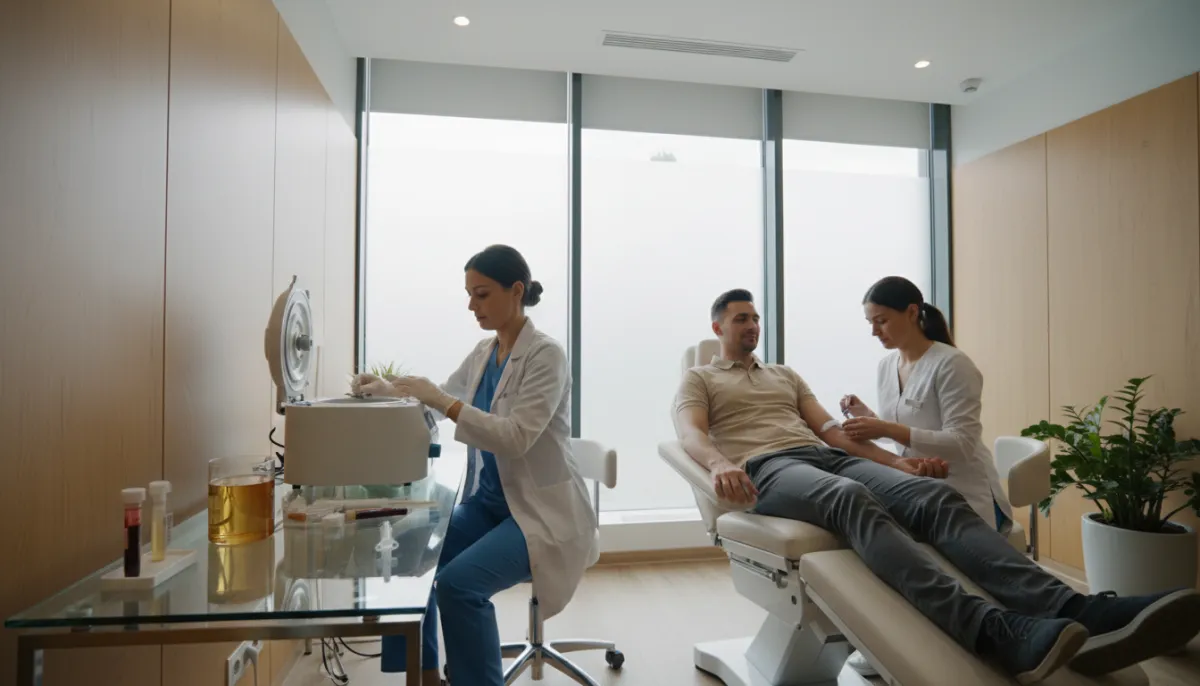
Platelet‑Rich Plasma (PRP) is an autologous concentration of platelets suspended in a small volume of plasma. The process begins with a simple blood draw, followed by centrifugation that separates the platelet‑rich layer from red blood cells. This concentrated plasma contains growth factors such as platelet‑derived growth factor (PDGF), vascular endothelial growth factor (VEGF), and transforming growth factor‑beta (TGF‑β), which are known to promote tissue regeneration.
When injected into the scalp, these growth factors aim to:
- Stimulate dormant hair follicles to re‑enter the growth phase (anagen).
- Improve blood supply to the follicular units.
- Reduce inflammation that can contribute to follicle miniaturization.
PRP is considered a form of biostimulation, leveraging the body’s own healing mechanisms without introducing foreign substances. Because the product is derived from the patient’s own blood, the risk of allergic reaction or rejection is minimal.
Below is a quick comparison of PRP with other commonly used hair‑loss treatments:
| Treatment | Mechanism | Invasiveness | Typical Sessions | Key Benefit |
|---|---|---|---|---|
| PRP Therapy | Growth‑factor injection | Minimally invasive | 3‑4 sessions over 6‑12 months | Uses patient’s own blood |
| Finasteride (oral) | Hormonal inhibition | Oral medication | Daily intake | Proven efficacy for male pattern baldness |
| Minoxidil (topical) | Vasodilation | Topical application | Twice daily | Accessible over‑the‑counter |
| Hair Transplant | Surgical graft relocation | Highly invasive | One‑to‑two procedures | Permanent restoration |
Scientific Evidence: Does PRP Work for Hair Loss?
Clinical research on PRP for hair loss has grown substantially over the past decade. While results vary, many studies indicate a positive trend in hair density and thickness after a series of PRP injections. A 2020 meta‑analysis of 12 randomized controlled trials reported an average increase of 18 % in hair count compared with placebo or baseline measurements.
Key findings from notable studies include:
- Study A (2021): 30 participants with androgenetic alopecia received three monthly PRP sessions. After six months, 70 % showed measurable improvement in hair thickness.
- Study B (2019): Compared PRP to minoxidil; PRP demonstrated comparable results with fewer side effects.
- Study C (2022): Highlighted the importance of platelet concentration; higher platelet counts correlated with better outcomes.
It’s important to note that not all patients experience the same level of success. Factors influencing efficacy include:
- Stage and cause of hair loss (early‑stage androgenetic alopecia responds best).
- Individual platelet count and overall health.
- Quality of the PRP preparation technique.
Overall, the consensus among dermatologists is that PRP can be an effective adjunct therapy, especially for patients who have not responded well to topical or oral medications. However, the phrase does platelet rich plasma therapy work for hair loss still warrants a nuanced answer: it works for many, but results are not guaranteed.
The PRP Procedure: What to Expect During Treatment
Undergoing PRP at Gold City Medical Center follows a streamlined, patient‑focused protocol designed to maximize comfort and outcomes. The typical journey includes three main phases: preparation, injection, and post‑treatment care.
1. Preparation
The clinician begins by drawing 10‑20 ml of blood from the patient’s arm. The sample is placed in a sterile tube containing an anticoagulant and then spun in a centrifuge for 8‑10 minutes. This separates the platelet‑rich plasma from red blood cells and platelet‑poor plasma.
2. Injection
Using a fine‑gauge needle, the practitioner injects the concentrated PRP into targeted areas of the scalp. Typical injection patterns cover the crown, frontal hairline, and any zones of active thinning. The procedure usually lasts 30‑45 minutes, and most patients report only mild discomfort.
3. Post‑Treatment Care
Patients are advised to avoid washing the scalp for 24 hours and to refrain from strenuous exercise for 48 hours to allow optimal platelet activation. Follow‑up sessions are scheduled every 4‑6 weeks for the first three treatments, with maintenance injections every 4‑6 months thereafter.
Below is a concise checklist for patients preparing for their first PRP session:
- Stay hydrated and avoid alcohol 24 hours prior.
- Inform the clinician of any medications (especially blood thinners).
- Wear comfortable clothing that allows easy access to the arm.
- Plan for a short recovery period after the appointment.
Understanding the process helps set realistic expectations and reduces anxiety, ensuring a smoother experience.
Benefits, Risks, and Cost Considerations of PRP Hair Therapy
When evaluating whether PRP is a worthwhile investment, it’s essential to weigh its advantages against possible drawbacks and financial implications.
Benefits
- Autologous source: Uses the patient’s own blood, minimizing allergic reactions.
- Minimal downtime: Most patients resume normal activities within a day.
- Non‑surgical: No incisions, scarring, or anesthesia required.
- Potential synergy: Can be combined with minoxidil, finasteride, or hair transplant for enhanced results.
Risks and Side Effects
PRP is generally safe, but minor side effects may include:
- Transient redness or swelling at injection sites.
- Temporary bruising.
- Mild scalp tenderness for 1‑2 days.
Serious complications are rare, especially when performed by trained professionals.
Cost Overview
The cost of platelet rich plasma prp injections varies by clinic, geographic location, and the number of sessions required. In the Netherlands, a single PRP session typically ranges from €350 to €600. Most patients undergo 3‑4 initial treatments, leading to an overall investment of €1,050‑€2,400, plus optional maintenance sessions.
When budgeting, consider the long‑term nature of hair restoration. While PRP may appear more expensive upfront compared to over‑the‑counter products, its durability and low maintenance can offer better value over time.
Comparing PRP with Other Hair Loss Treatments
Choosing the right treatment depends on individual goals, hair‑loss stage, and lifestyle. Below is a concise comparison of PRP against three popular alternatives.
| Treatment | Mechanism | Effectiveness (average) | Invasiveness | Maintenance |
|---|---|---|---|---|
| PRP Therapy | Growth‑factor injection | Moderate (18‑30 % improvement) | Minimally invasive | Every 4‑6 months |
| Finasteride (oral) | Hormonal inhibition | High (30‑40 % improvement) | Oral medication | Daily intake |
| Minoxidil (topical) | Vasodilation | Low‑moderate (10‑20 % improvement) | Topical | Twice daily |
| Hair Transplant | Surgical graft relocation | Very high (permanent) | Highly invasive | One‑time surgery |
While PRP may not match the dramatic results of a surgical transplant, it offers a compelling middle ground for those seeking a natural, low‑risk approach. For patients with early‑stage androgenetic alopecia, PRP often serves as a preventive measure, potentially delaying the need for more invasive procedures.
Why Choose Gold City Medical Center for PRP Hair Therapy
Gold City Medical Center combines cutting‑edge technology with a holistic approach to hair restoration. Our team of certified dermatologists and aesthetic specialists tailors each PRP protocol to the individual’s unique scalp condition, ensuring optimal platelet concentration and precise injection technique. With a track record of successful outcomes and a commitment to patient comfort, we provide a trustworthy environment for those seeking effective, minimally invasive hair‑loss solutions.
Ready to discover if PRP can revitalize your hair? Contact Gold City Medical Center today to schedule a personalized consultation and take the first step toward a fuller, healthier scalp.
FAQ
Does platelet rich plasma therapy work for hair loss?
Research shows PRP can increase hair density in many patients, especially early‑stage androgenetic alopecia, but results vary.
How many PRP sessions are needed for effective results?
Typically 3‑4 sessions spaced 4‑6 weeks apart are recommended for initial improvement.
What is the cost of PRP hair treatment in the Netherlands?
A single PRP session costs between €350 and €600, with total initial investment around €1,050‑€2,400.
What are the common side effects of PRP therapy for hair loss?
Side effects are usually mild, such as temporary redness, swelling, bruising, or scalp tenderness.
How does PRP compare to finasteride and minoxidil?
PRP offers a minimally invasive, autologous option with moderate effectiveness, while finasteride and minoxidil are medication‑based with higher efficacy but systemic side effects.
What should I expect during a PRP hair restoration session?
The session includes blood draw, centrifugation, and injection of the concentrated plasma into the scalp, lasting about 30‑45 minutes.
Who is an ideal candidate for PRP hair therapy?
Individuals with early‑stage androgenetic alopecia, good overall health, and adequate platelet counts are best suited.





