Many patients wonder, can you lose your hair with radiotherapy, especially when they are preparing for treatment. Understanding the link between radiation therapy and hair loss helps you set realistic expectations and plan supportive care. While hair loss is more commonly associated with chemotherapy, certain radiation protocols can also trigger thinning or complete loss of hair in the treated area.
In this article we will examine how radiotherapy interacts with hair follicles, identify the factors that increase the risk of hair loss, and provide practical strategies to manage and potentially reduce this side effect. You will also learn what to expect after treatment, including the timeline for hair regrowth and how to support your scalp during the healing process.
According to clinical observations, up to 30% of patients receiving high‑dose radiation to the head and neck region experience noticeable hair loss. This statistic underscores the importance of discussing potential outcomes with your oncologist and exploring integrative options that Gold City Medical Center offers to preserve your confidence throughout the journey.
How Radiotherapy Affects Hair Growth
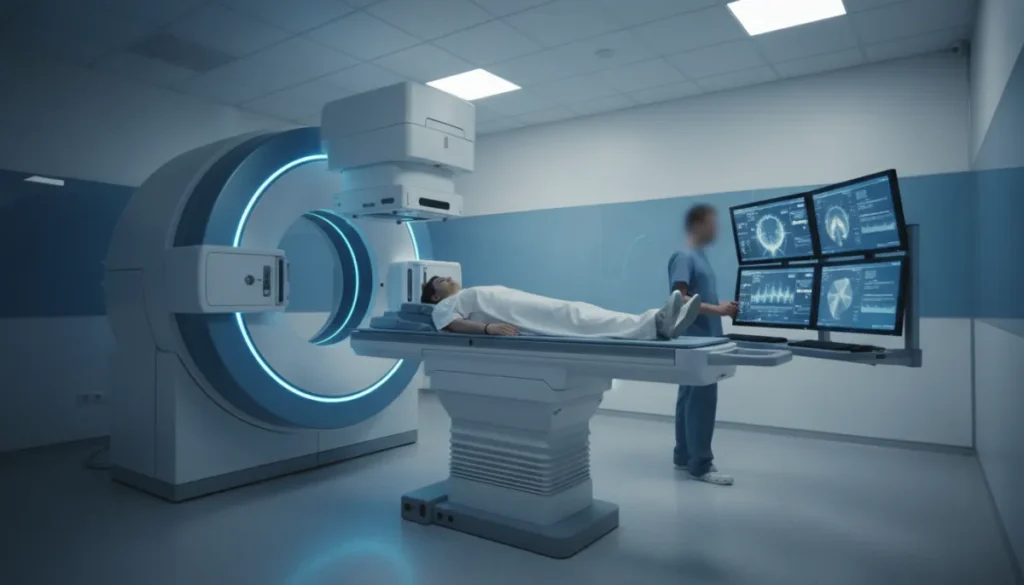
Radiotherapy works by delivering high‑energy particles to destroy cancer cells, but it can also impact surrounding healthy tissue, including the hair follicles. The degree of impact depends on the radiation dose, the fractionation schedule, and the specific area being treated. When the scalp receives direct radiation, the follicles may enter a dormant phase, leading to temporary or permanent hair loss.
Key mechanisms include:
- DNA damage: Radiation creates breaks in the DNA of rapidly dividing cells, which includes hair matrix cells responsible for hair shaft formation.
- Vascular changes: Damage to the micro‑vasculature can reduce blood flow, depriving follicles of essential nutrients.
- Inflammatory response: Cytokine release during treatment can alter the follicular environment, accelerating shedding.
Below is a comparison of typical radiation fields and their associated hair loss risk:
| Radiation Field | Typical Dose (Gy) | Hair Loss Risk |
|---|---|---|
| Scalp (whole‑head) | 45–60 | High – possible permanent loss |
| Neck only | 30–50 | Moderate – temporary thinning |
| Chest (breast cancer) | 40–50 | Low – usually limited to treatment field |
| Prostate | 70–78 | Very low – scalp not exposed |
Understanding these mechanisms clarifies why the primary question “can you lose your hair with radiotherapy” often receives a nuanced answer: the risk is real, but it varies widely based on treatment specifics.
Factors That Influence Hair Loss During Radiation Treatment
Not every patient undergoing radiotherapy will experience hair loss. Several variables determine the likelihood and severity of this side effect.
Radiation Dose and Fractionation
Higher total doses and larger daily fractions increase the chance of follicular damage. Conventional fractionation (1.8–2.0 Gy per session) tends to be less harsh on hair than hypofractionated schedules, which deliver larger doses in fewer sessions.
Treatment Area
The proximity of the treatment field to the scalp is a major factor. For example, patients receiving radiation for brain tumors or head‑and‑neck cancers are at greater risk than those treated for prostate or lung cancer, where the scalp is shielded.
Individual Sensitivity
Genetic predisposition, age, and overall health can influence how the scalp reacts. Some individuals have more resilient hair follicles, while others may notice thinning even with modest exposure.
Concurrent Therapies
When radiotherapy is combined with chemotherapy or targeted agents, the cumulative effect on hair follicles can be amplified. This is often referred to as “combined modality” side effects, and patients may experience a more pronounced hair loss pattern.
Below is a concise list of common factors and their impact level:
- High radiation dose – High impact
- Direct scalp exposure – High impact
- Concurrent chemotherapy – Moderate to high impact
- Younger age – Moderate impact
- Pre‑existing scalp conditions – Variable impact
By discussing these variables with your radiation oncologist, you can gain a clearer picture of the radiation side effects you might encounter, including the possibility of hair loss.
Managing Hair Loss: Practical Tips and Support
If you are facing hair loss due to radiotherapy, proactive care can lessen discomfort and improve self‑esteem. Below are evidence‑based strategies recommended by oncologists and integrative health specialists.
Scalp Care During Treatment
- Use a mild, sulfate‑free shampoo to avoid irritating the scalp.
- Gently pat hair dry instead of vigorous rubbing.
- Apply a fragrance‑free, moisturizing conditioner to maintain scalp hydration.
- Consider a soft, breathable head covering (e.g., silk scarf) to protect the scalp from sun exposure.
Medical Interventions
Topical minoxidil has shown modest benefit in stimulating follicular activity after radiation. Discuss with your physician before starting any medication.
In some cases, low‑level laser therapy (LLLT) can improve blood flow to the scalp, potentially accelerating regrowth. Gold City Medical Center offers LLLT as part of its integrative services.
Psychological Support
Hair loss can affect body image. Engaging with support groups, counseling, or creative outlets (such as styling wigs) can provide emotional relief. Many clinics provide resources for patients navigating the “post rt” phase.
Below is a quick reference table for daily scalp‑care recommendations:
| Time of Day | Action | Purpose |
|---|---|---|
| Morning | Gentle shampoo with lukewarm water | Remove buildup without stripping oils |
| Mid‑day | Apply scalp moisturizer (if dry) | Maintain hydration |
| Evening | Pat dry, wear soft head covering if outdoors | Protect from UV and friction |
Adopting these habits can mitigate the side effects of radiation therapy and help you feel more comfortable throughout treatment.
What to Expect After Treatment: Hair Regrowth and Recovery
Hair that falls out during radiotherapy does not always remain absent forever. The timeline for regrowth varies based on the factors discussed earlier.
Typical Regrowth Timeline
- Weeks 4–6 post‑treatment: Initial signs of fine, pigmented hair may appear.
- Months 3–6: Hair density improves, though texture may differ from pre‑treatment hair.
- 12 months and beyond: Full regrowth possible for many patients, especially if the scalp received moderate doses.
When Regrowth Is Limited
High‑dose scalp irradiation can cause permanent follicular loss. In such cases, options include surgical hair transplantation, scalp micropigmentation, or wearing custom‑made wigs. Gold City Medical Center’s hair‑transplant specialists can assess candidacy for these solutions.
Supporting Long‑Term Scalp Health
Maintain a balanced diet rich in proteins, iron, zinc, and vitamins A and D. These nutrients are essential for keratin production and follicle health. Regular scalp massages can also stimulate circulation.
The following checklist helps you monitor progress after radiotherapy:
- Document the first appearance of new hair.
- Track changes in hair texture and color.
- Note any scalp irritation or dryness.
- Schedule follow‑up appointments to discuss persistent issues.
By staying observant and proactive, you can better navigate the post‑treatment phase and address any lingering concerns about hair loss.
Comparing Radiotherapy Hair Loss to Chemotherapy
Both radiotherapy and chemotherapy can cause hair loss, but the patterns and mechanisms differ. Understanding these differences helps patients set realistic expectations and choose appropriate coping strategies.
Scope of Hair Loss
Chemotherapy typically leads to diffuse hair loss across the entire scalp and body because systemic drugs circulate throughout the bloodstream. Radiotherapy, on the other hand, usually affects only the area directly exposed to radiation. This means a patient receiving head‑and‑neck radiation may lose hair only in that region, while the rest of the scalp remains unaffected.
Duration and Reversibility
Chemotherapy‑induced hair loss often begins 2–3 weeks after the first cycle and may persist for months after treatment ends. Radiotherapy‑related loss may start later, often after 2–4 weeks of treatment, and can sometimes be more permanent if high doses are used.
Management Strategies
- Cold caps are commonly used during chemotherapy to reduce blood flow to the scalp; they are less effective for radiotherapy because the scalp is directly irradiated.
- Topical minoxidil is more frequently prescribed after radiotherapy, whereas systemic agents like filgrastim are used to accelerate recovery after chemotherapy.
- Psychological support and wig fitting services are valuable for both modalities.
By comparing these side effects, patients can better understand why the question “can you lose your hair with radiotherapy” may have a different answer than “does chemotherapy cause hair loss.” Both treatments require tailored care plans, which Gold City Medical Center is equipped to provide.
Why Choose Gold City Medical Center
Gold City Medical Center combines cutting‑edge oncology expertise with integrative wellness services, offering a holistic approach to cancer care. Our team includes radiation oncologists, dermatologists, and hair‑restoration specialists who work together to minimize side effects such as hair loss. With personalized treatment plans, state‑of‑the‑art equipment, and supportive counseling, we help patients maintain confidence and quality of life throughout their journey.
Ready to discuss your treatment options and learn how we can protect your hair during radiotherapy? Contact Gold City Medical Center today to schedule a comprehensive consultation and take the first step toward confident, integrated care.
FAQ
Can radiotherapy cause hair loss?
Yes, radiotherapy can cause hair loss, especially when the scalp receives direct radiation.
What factors increase the risk of hair loss during radiotherapy?
Dose, treatment area, fractionation, individual sensitivity, and concurrent chemotherapy raise the risk.
How can I care for my scalp during radiotherapy?
Use gentle, sulfate‑free shampoo, moisturize, avoid harsh rubbing, and protect the scalp from sun.
Is hair loss from radiotherapy permanent?
It can be permanent with very high scalp doses, but most patients experience temporary loss that regrows over time.
How long does it take for hair to grow back after radiotherapy?
Initial fine hair may appear 4–6 weeks post‑treatment, with fuller regrowth by 3–6 months and possible full recovery by a year.
Can treatments like minoxidil or low‑level laser therapy help regrow hair after radiation?
Topical minoxidil and low‑level laser therapy may stimulate regrowth, but they should be used under medical supervision.





