Many people wonder can stress and anxiety cause hair loss and seek clear answers. The link between emotional strain and hair health is real, yet often misunderstood. In this article we explore the biological pathways, identify the signs of stress‑related shedding, and provide practical steps to protect your hair.
Recent studies show that up to 30% of individuals experiencing chronic stress notice increased hair shedding within weeks. This phenomenon is not limited to a single gender or age group; it can affect anyone under sustained emotional pressure.
We will examine the role of telogen effluvium, discuss how anxiety amplifies inflammatory responses, and outline both lifestyle and medical interventions that can help you regain confidence in your hair’s appearance.
Understanding the connection empowers you to take proactive measures, whether through stress‑management techniques, nutritional support, or professional treatments offered at Gold City Medical Center.
How Stress Triggers Hair Loss Mechanisms
When the body perceives stress, it releases hormones such as cortisol and adrenaline. These chemicals prepare you for a “fight‑or‑flight” response but also influence the hair growth cycle. Elevated cortisol can push a large number of hair follicles into the resting phase (telogen), leading to a condition known as telogen effluvium. This abrupt shift often results in noticeable shedding within two to three months after the stressful event.
Hormonal Changes
- Increased cortisol levels shorten the anagen (growth) phase.
- Disruption of thyroid hormones can exacerbate follicle miniaturization.
- Sex hormone imbalances, especially elevated androgen levels, may intensify hair thinning.
Inflammatory Response
Stress activates the immune system, releasing cytokines that can inflame the scalp. Chronic inflammation damages the hair follicle’s microenvironment, making it harder for new hairs to emerge.
Telogen Effluvium Explained
| Phase | Normal Duration | Effect of Stress |
|---|---|---|
| Anagen (Growth) | 2–6 years | Shortened, leading to early transition to telogen |
| Catagen (Transition) | 2–3 weeks | May be prolonged, causing follicle instability |
| Telogen (Resting) | 2–3 months | Increased proportion of follicles, resulting in shedding |
While telogen effluvium is typically reversible, the key is to address the underlying stressors promptly.
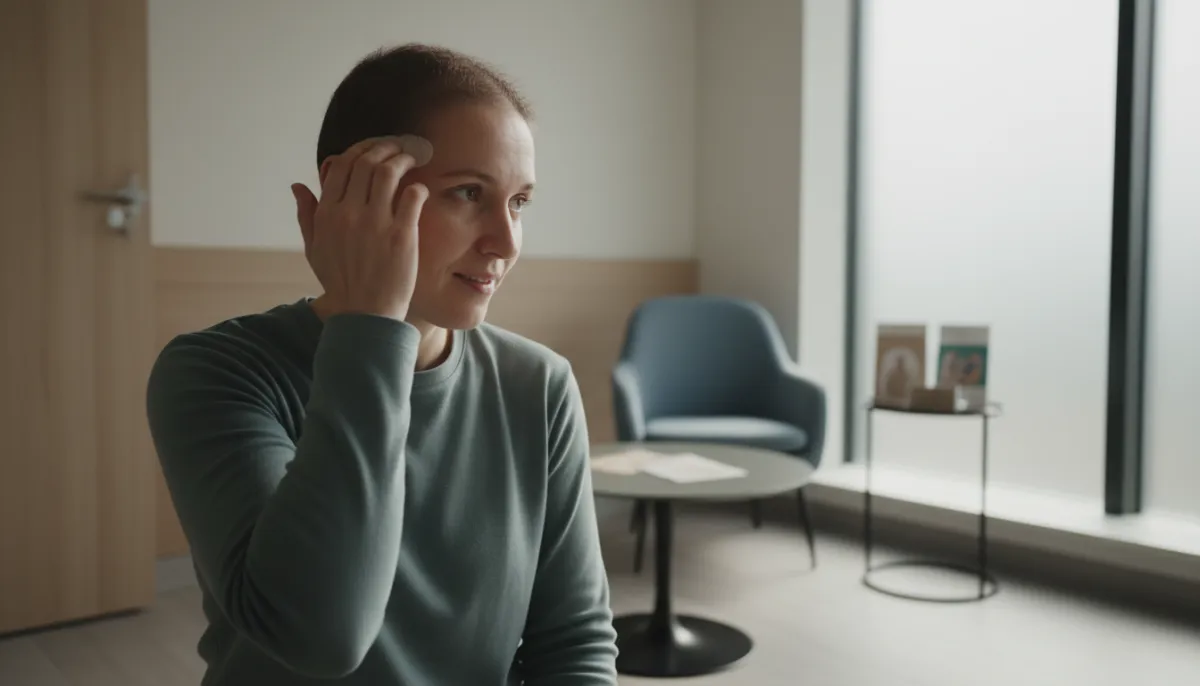
Identifying Stress‑Related Hair Shedding
Recognizing whether can stress and anxiety cause hair loss is the first step toward effective treatment. Unlike genetic alopecia, stress‑induced shedding often appears suddenly and may involve clumps of hair falling out during washing or brushing.
Typical Signs
- Increased hair on pillow or in shower drain.
- Noticeable thinning across the crown rather than a receding hairline.
- Hair loss occurring after a major life event (e.g., job loss, bereavement).
- Absence of scalp redness, scaling, or pain.
When to Seek Professional Help
If shedding persists for more than three months, or if you notice other symptoms such as fatigue, mood swings, or unexplained weight changes, it is advisable to consult a specialist. A thorough evaluation can rule out other conditions like thyroid disorders, iron deficiency, or autoimmune alopecia.
Diagnostic tools may include a scalp examination, blood tests for hormone levels, and a trichogram to assess the proportion of hairs in each growth phase.
Lifestyle and Medical Strategies to Reduce Stress‑Induced Hair Loss
While the question can stress and anxiety cause hair loss often prompts concern, there are actionable steps you can take to mitigate the impact. Combining lifestyle adjustments with targeted medical interventions yields the best outcomes.
Stress Management Techniques
- Mindfulness meditation – 10–15 minutes daily reduces cortisol.
- Regular aerobic exercise – improves circulation to the scalp.
- Adequate sleep – 7–9 hours supports hormone regulation.
- Time‑management strategies – lower perceived workload.
Nutritional Support
Balanced nutrition supplies the building blocks for healthy hair. Focus on:
- Protein‑rich foods (lean meat, legumes) for keratin synthesis.
- Omega‑3 fatty acids (salmon, flaxseed) to reduce inflammation.
- Vitamins D, B‑complex, and zinc – essential for follicle function.
Professional Treatments
Gold City Medical Center offers integrative options that address both the physiological and psychological aspects of hair loss:
- Platelet‑rich plasma (PRP) therapy – stimulates follicle activity.
- Low‑level laser therapy – enhances cellular metabolism.
- Customised hair transplant planning – for permanent restoration after stress‑related shedding subsides.
These treatments are most effective when paired with ongoing stress‑reduction practices.
When Stress Isn’t the Only Factor: Other Causes to Consider
Although stress plays a significant role, it is essential to evaluate additional contributors to hair loss. Overlooking these can delay effective treatment.
Hormonal Imbalance
Conditions such as polycystic ovary syndrome (PCOS) or menopause alter androgen levels, leading to diffuse thinning that may be mistaken for stress‑related loss.
Nutrient Deficiencies
Iron deficiency anemia, low ferritin, and vitamin D shortage are common culprits that exacerbate shedding, especially in women.
Underlying Medical Conditions
| Condition | Typical Hair Pattern | Key Diagnostic Test |
|---|---|---|
| Thyroid Disorder | Diffuse thinning, often with texture change | TSH, Free T4 blood panel |
| Autoimmune Alopecia | Patchy bald spots, sometimes sudden | Scalp biopsy, ANA test |
| Scalp Infections | Localized loss with redness or scaling | Culture, fungal microscopy |
Identifying and treating these underlying issues can dramatically improve hair density and overall well‑being.
Why Choose Gold City Medical Center
Gold City Medical Center combines cutting‑edge medical expertise with a holistic approach to hair health. Our team of dermatologists, trichologists, and wellness specialists work together to diagnose the root cause of your hair loss—whether stress‑related or otherwise—and design a personalised treatment plan. With state‑of‑the‑art facilities, advanced therapies such as PRP and laser treatment, and a commitment to patient‑centred care, we help you regain confidence and a healthy scalp.
Ready to take control of your hair health? Contact Gold City Medical Center today for a comprehensive evaluation and discover a tailored solution that addresses both stress and underlying factors.
Call us or book an online consultation now and start your journey toward stronger, fuller hair.
FAQ
Can stress cause hair loss?
Yes, chronic stress can trigger hair shedding through hormonal and inflammatory pathways.
What is telogen effluvium?
Telogen effluvium is a temporary hair loss condition caused by many follicles entering the telogen phase at once.
How can I tell if my hair loss is stress‑related?
Stress‑related shedding appears suddenly, often as diffuse thinning or clumps of hair, without scalp inflammation.
What lifestyle changes help reduce stress‑induced hair loss?
Mindfulness, regular exercise, adequate sleep, and balanced nutrition support hair health.
Are medical treatments like PRP effective for stress‑related hair loss?
PRP and low‑level laser therapy can stimulate follicle activity and accelerate regrowth when combined with stress management.





