Contact eczema on face is a frequent skin problem that can cause redness, itching, and discomfort, often disrupting daily life and confidence. Understanding why this condition appears and how to manage it is essential for anyone seeking clear, healthy skin. Recent dermatology surveys indicate that up to 12% of adults experience some form of facial dermatitis at least once in their lives, highlighting the importance of early recognition and proper care.
In this article we will explore the underlying mechanisms of facial contact eczema, identify the most common triggers, and outline both medical and at‑home strategies for relief. You will also discover practical prevention tips that can reduce future flare‑ups, and learn when professional help from a qualified dermatologist is the best course of action.
Whether you are dealing with a mild rash or a persistent outbreak, the information below will equip you with the knowledge to take control of your skin health and restore a comfortable, radiant appearance.
Understanding Contact Eczema on the Face
Contact eczema, also known as contact dermatitis, occurs when the skin reacts to an external substance. When this reaction manifests on the facial region, it is often referred to as contact eczema on face. The condition can be divided into two main types: allergic contact dermatitis, triggered by an immune response to allergens, and irritant contact dermatitis, caused by direct damage to the skin barrier.
Common allergens that provoke facial reactions include fragrances, preservatives, nickel, and certain plant extracts. Irritants such as harsh soaps, alcohol‑based toners, and even excessive exfoliation can break down the skin’s protective layer, leading to inflammation.
- Fragrances in cosmetics
- Preservatives like parabens
- Metals (nickel, cobalt)
- Plant oils (eucalyptus, tea tree)
- Harsh cleansers and scrubs
Recognizing the specific trigger is crucial because it guides both treatment and prevention. Patch testing performed by a dermatologist can pinpoint allergens, while a thorough review of skincare and makeup routines helps identify irritants.
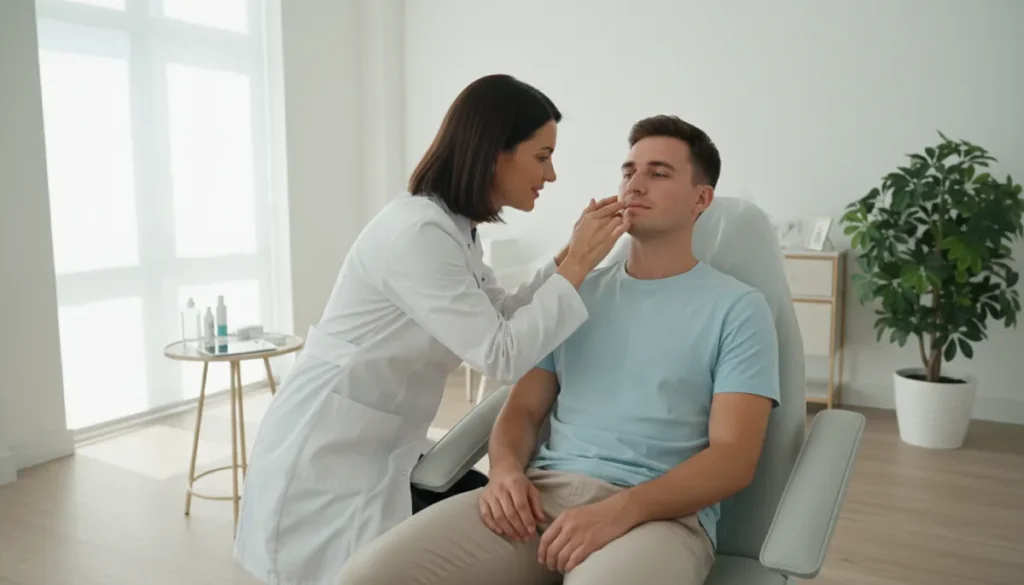
Recognizing the Symptoms and When to Seek Help
Early detection of contact eczema on face can prevent the condition from worsening. Typical symptoms include red or pink patches, itching, burning sensations, and sometimes small vesicles or crusting. The rash may appear isolated or spread across larger areas, often worsening after exposure to the offending substance.
Because facial skin is delicate, distinguishing contact eczema from other conditions such as atopic dermatitis, rosacea, or acne can be challenging. Below is a quick comparison to help you identify key differences.
| Feature | Contact Eczema on Face | Atopic Dermatitis | Rosacea |
|---|---|---|---|
| Typical Triggers | Allergens, irritants, cosmetics | Genetic predisposition, dry skin | Temperature changes, spicy food |
| Primary Symptoms | Redness, itching, vesicles | Dry patches, intense itching | Flushing, visible blood vessels |
| Location | Anywhere on the face, often around eyes/mouth | Cheeks, flexural areas | Central face, nose, chin |
| Response to Steroids | Usually rapid improvement | Variable response | Limited benefit |
If you notice persistent redness, swelling, or blisters that do not improve within a week of avoiding suspected triggers, it is advisable to consult a dermatologist. Prompt professional evaluation can prevent secondary infections and guide targeted therapy.
Effective Treatment Options and Home Care Strategies
Treatment of contact eczema on face aims to reduce inflammation, restore the skin barrier, and eliminate exposure to the offending agent. A combination of medical interventions and diligent home care often yields the best results.
Medical Therapies
- Topical corticosteroids: Low‑potency steroids (e.g., hydrocortisone 1%) for mild cases; medium‑potency for moderate inflammation.
- Calcineurin inhibitors (tacrolimus, pimecrolimus) for steroid‑sparing management.
- Antihistamines to alleviate itching, especially at night.
- Antibiotics or antifungals if secondary infection is suspected.
Home Care Routine
- Gentle cleansing with fragrance‑free, pH‑balanced cleansers.
- Apply a thick, fragrance‑free moisturizer immediately after washing to lock in moisture.
- Avoid hot water and harsh scrubbing.
- Use a sunscreen formulated for sensitive skin (minimum SPF 30, mineral‑based).
- Identify and eliminate potential allergens from cosmetics and skincare products.
Consistency is key; most patients notice improvement within 7‑10 days when adhering to the regimen. If symptoms persist beyond two weeks despite proper care, revisit your dermatologist for possible prescription adjustments.
Prevention Tips: Reducing Future Flare‑Ups
Preventing future episodes of contact eczema on face involves both lifestyle adjustments and careful product selection. Below are practical steps you can integrate into your daily routine.
- Perform a patch test before introducing any new product: apply a small amount on the inner forearm and wait 48 hours.
- Choose cosmetics labeled “hypoallergenic” and “fragrance‑free.”
- Keep a diary of skin reactions to track potential triggers.
- Limit exposure to known irritants such as chlorine in swimming pools; rinse skin thoroughly afterward.
- Maintain a balanced diet rich in omega‑3 fatty acids, which support skin barrier health.
Regular follow‑up with a dermatologist can also help monitor skin condition and adjust prevention strategies as needed. Early identification of new sensitivities prevents severe outbreaks and promotes long‑term skin resilience.
When to Consider Professional Dermatology Services
While many cases of contact eczema on face can be managed with over‑the‑counter products and diligent self‑care, certain situations warrant professional intervention. Seek specialist care if you experience any of the following:
- Rapidly spreading rash or extensive blistering.
- Signs of infection such as pus, increased warmth, or fever.
- Persistent itching that interferes with sleep or daily activities.
- Unclear diagnosis despite self‑assessment.
- Need for advanced therapies such as phototherapy or systemic medications.
At Gold City Medical Center, our integrative approach combines dermatological expertise with personalized skin‑care plans. Our specialists can perform comprehensive evaluations, including patch testing and dermoscopic imaging, to tailor treatment precisely to your needs.
Why Choose Gold City Medical Center
Gold City Medical Center offers a holistic blend of medical, cosmetic, and restorative services, making it an ideal destination for individuals dealing with facial skin concerns. Our team of board‑certified dermatologists utilizes evidence‑based treatments while integrating wellness‑focused recommendations that support overall skin health. With state‑of‑the‑art facilities and a patient‑centered philosophy, we ensure every client receives personalized care that addresses both the symptoms and underlying causes of contact eczema on face.
Ready to regain clear, comfortable skin? Contact Gold City Medical Center today to schedule a comprehensive skin assessment and start your personalized treatment plan.
FAQ
What causes contact eczema on the face?
Contact eczema on the face is triggered by allergens or irritants that come into direct contact with facial skin.
How can I tell if my facial rash is contact eczema or another condition?
Look for red, itchy patches that appear after exposure to a specific substance; compare symptoms with those of atopic dermatitis, rosacea, or acne.
What are the best home care treatments for facial contact eczema?
Use gentle, fragrance‑free cleansers, apply a thick moisturizer, avoid hot water, and protect skin with a mineral‑based sunscreen.
When should I see a dermatologist for facial eczema?
Seek professional help if the rash spreads, blisters, shows signs of infection, or does not improve within a week of avoiding triggers.
How does patch testing help identify eczema triggers?
Patch testing applies small amounts of potential allergens to the skin to see which cause a reaction, pinpointing the exact trigger.
What prevention steps can reduce future facial eczema flare‑ups?
Perform patch tests on new products, choose hypoallergenic and fragrance‑free items, keep a skin‑reaction diary, and protect skin from known irritants.





