Many people wonder is losing hair a sign of cancer when they notice sudden or severe thinning. While hair loss is often linked to genetics, stress, or hormonal changes, certain medical conditions—including some cancers—can also cause rapid shedding. Understanding the difference between benign and serious causes helps you act confidently and seek appropriate care.
In this article we explore the various types of hair loss, identify red‑flag symptoms that may point toward an underlying disease, and outline the diagnostic steps you should consider. Whether you’re dealing with alopecia, male pattern baldness, or unexplained thinning, the information below will empower you to make informed decisions about your health.
Hair loss affects up to 80 % of the population at some point in life, yet only a fraction of cases are linked to life‑threatening illnesses. By recognizing the patterns that separate ordinary shedding from potential warning signs, you can avoid unnecessary anxiety while staying vigilant about your wellbeing.
Understanding Hair Loss: Types and Common Causes
Hair growth follows a cyclical pattern of growth (anagen), transition (catagen), and rest (telogen). Disruptions in this cycle lead to visible loss. Below is a quick overview of the most frequent causes:
- Androgenetic alopecia – often called male or female pattern baldness; driven by genetics and hormones.
- Alopecia areata – an autoimmune condition that creates round, smooth patches.
- Telogen effluvium – temporary shedding after stress, illness, or major surgery.
- Traction alopecia – caused by tight hairstyles that pull on the scalp.
- Nutritional deficiencies – lack of iron, zinc, or vitamin D.
- Medications – chemotherapy, anticoagulants, and some antihypertensives.
| Cause | Typical Pattern | Onset Speed | Is It Usually Cancer‑Related? |
|---|---|---|---|
| Androgenetic alopecia | Receding hairline, thinning crown | Gradual (years) | No |
| Alopecia areata | Round patches | Rapid (weeks) | No |
| Telogen effluvium | Diffuse shedding | 2–3 months after trigger | Rarely (if trigger is a malignancy) |
| Chemotherapy‑induced loss | Uniform thinning or complete loss | Within days of treatment | Yes (as part of cancer therapy) |
Most of these conditions are harmless and treatable. However, certain patterns—especially rapid, unexplained loss accompanied by systemic symptoms—warrant a deeper look.
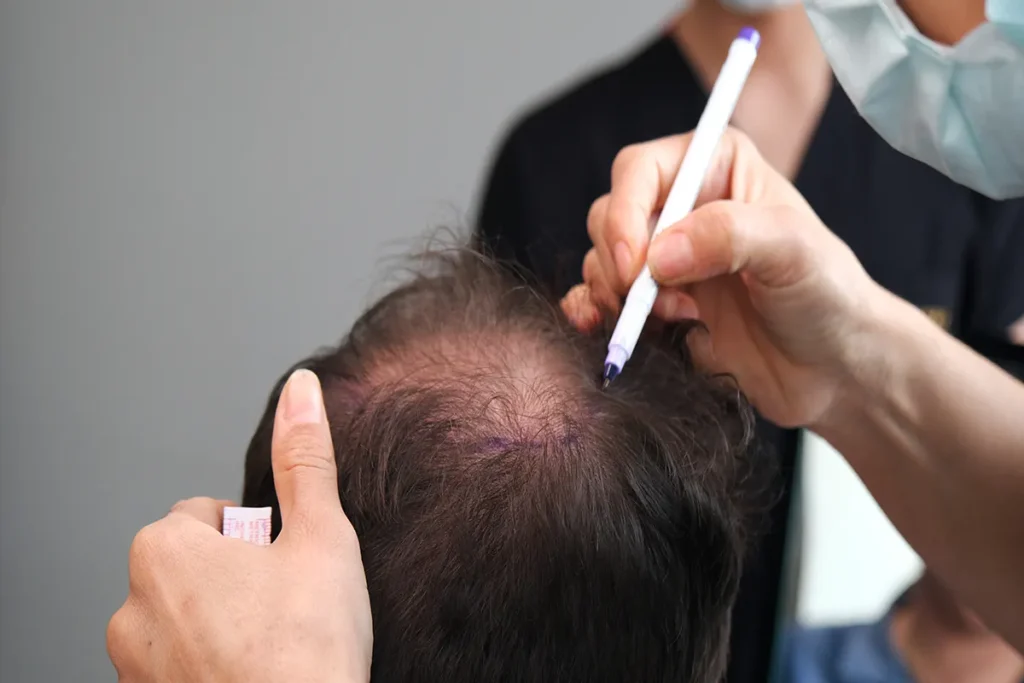
When Hair Loss May Indicate an Underlying Disease
Hair loss can sometimes be a symptom of a systemic illness, including cancers that affect the blood, hormones, or immune system. While the phrase is losing hair a sign of cancer often triggers alarm, it’s important to understand the mechanisms involved.
Cancers that directly impact hair follicles are rare, but several scenarios link hair loss to malignancy:
- Leukemia or lymphoma – abnormal blood cell production can disrupt the hair growth cycle, leading to diffuse thinning.
- Hormone‑producing tumors (e.g., adrenal or thyroid cancers) – excess hormones may accelerate telogen effluvium.
- Paraneoplastic syndromes – immune reactions triggered by cancer can cause alopecia areata‑like patches.
- Chemotherapy and targeted therapies – these treatments intentionally halt rapidly dividing cells, including those in the scalp.
Key warning signs that suggest a medical evaluation is needed include:
- Sudden, extensive shedding over weeks rather than months.
- Accompanying symptoms such as unexplained weight loss, persistent fatigue, night sweats, or fever.
- Visible skin changes like bruising, rashes, or nail abnormalities.
- Family history of hematologic cancers or autoimmune disorders.
If you notice these red flags, consulting a healthcare professional promptly can differentiate a benign cause from a serious condition.
Distinguishing Cancer‑Related Hair Loss from Common Conditions
Because many forms of alopecia share visual similarities, distinguishing a cancer‑related cause requires attention to pattern, timing, and accompanying health changes. Below are comparative points that help clarify the difference.
| Feature | Typical Alopecia (e.g., androgenetic, alopecia areata) | Cancer‑Related Hair Loss |
|---|---|---|
| Onset Speed | Months to years | Days to weeks |
| Distribution | Patterned (frontal, crown, patches) | Diffuse across scalp |
| Associated Systemic Symptoms | Usually none | Weight loss, fatigue, night sweats |
| Response to Stress | May worsen with stress | Often independent of stress |
For example, alopecia areata typically presents as round, smooth patches and may coexist with other autoimmune conditions, but it rarely comes with systemic signs like unexplained fever. In contrast, hair loss caused by leukemia often appears as uniform thinning accompanied by bruising and persistent fatigue.
When evaluating is losing hair a sign of cancer, clinicians will consider blood tests, imaging, and a detailed medical history to rule out malignancy.
Diagnostic Steps and When to Seek Medical Advice
If you suspect that your hair loss could be linked to a serious condition, a systematic diagnostic approach is essential. Below is a step‑by‑step guide that physicians often follow.
- Medical History Review – documenting onset, progression, family history, and any systemic symptoms.
- Physical Examination – assessing scalp condition, pattern of loss, and looking for skin or nail changes.
- Laboratory Tests – complete blood count, thyroid panel, iron studies, and specific tumor markers if indicated.
- Scalp Biopsy – performed when autoimmune or neoplastic processes are suspected.
- Imaging – ultrasound, CT, or MRI may be ordered if an internal tumor is a concern.
Below is a concise table summarizing typical investigations based on presenting features:
| Presenting Feature | Recommended Test | Purpose |
|---|---|---|
| Rapid diffuse shedding + fatigue | Complete blood count (CBC) | Detect anemia, leukocytosis, or leukemia |
| Patchy loss + nail pitting | Autoimmune panel | Identify autoimmune disorders |
| Hair loss after new medication | Medication review & skin biopsy | Confirm drug‑induced alopecia |
| Accompanying weight loss & night sweats | CT scan of chest/abdomen | Search for occult malignancy |
Early consultation is advisable when any of the red‑flag symptoms appear. Prompt diagnosis not only clarifies the cause but also opens the door to targeted treatment, whether that’s medical therapy for an underlying disease or a cosmetic solution for permanent thinning.
Managing Hair Loss and Supporting Overall Health
Whether your hair loss is benign or linked to a more serious condition, addressing it proactively improves confidence and overall wellbeing. Management strategies fall into three broad categories: medical treatment, lifestyle adjustments, and cosmetic restoration.
Medical Treatments
- Topical minoxidil – stimulates follicular activity for androgenetic alopecia.
- Oral finasteride – reduces dihydrotestosterone (DHT) levels in men.
- Intralesional corticosteroids – effective for alopecia areata patches.
- Addressing underlying disease – chemotherapy dose adjustment, hormonal therapy, or hematologic treatment when cancer is the root cause.
Lifestyle and Nutritional Support
Maintaining a balanced diet rich in iron, zinc, biotin, and omega‑3 fatty acids can strengthen hair follicles. Stress‑reduction techniques such as mindfulness, regular exercise, and adequate sleep also help keep the hair growth cycle stable.
Cosmetic and Surgical Options
For permanent thinning, hair transplant procedures—such as follicular unit extraction (FUE)—offer lasting results. At Gold City Medical Center, our integrative approach combines medical assessment with advanced transplant technology to achieve natural‑looking density.
Remember, hair loss does not automatically signal cancer, but staying informed and seeking timely medical advice ensures that any serious condition is caught early.
Why Choose Gold City Medical Center
Gold City Medical Center blends cutting‑edge medical expertise with personalized cosmetic care. Our multidisciplinary team evaluates hair loss comprehensively—ruling out serious conditions while offering tailored solutions such as medication, nutritional counseling, and premium hair transplantation. With a focus on patient comfort and long‑term results, we provide a trusted pathway from diagnosis to restoration.
Ready to understand the cause of your hair loss and explore effective treatments? Contact Gold City Medical Center today for a confidential consultation and take the first step toward healthier hair and peace of mind.
FAQ
Can hair loss be a sign of cancer?
Hair loss can sometimes be a symptom of cancer, but it is more often caused by benign factors.
What types of cancer are associated with hair loss?
Leukemia, lymphoma, hormone‑producing tumors, and cancers treated with chemotherapy can cause hair loss.
What red‑flag symptoms should prompt a medical evaluation for hair loss?
Sudden extensive shedding, weight loss, fatigue, night sweats, bruising, rashes, or nail changes are warning signs.
How is cancer‑related hair loss diagnosed?
Through medical history, physical exam, blood tests, imaging, and sometimes scalp biopsy.
What treatments are available for hair loss caused by cancer?
Treatment focuses on the underlying cancer, with options like medication adjustment, hormonal therapy, and supportive hair‑care measures.
Does chemotherapy always cause hair loss?
Chemotherapy commonly causes hair loss, but the extent varies by drug, dosage, and individual factors.





