Experiencing crown hair fall can be unsettling, especially when the thinning appears at the top of the head where a full hairstyle once thrived. This article explains the underlying mechanisms, offers practical steps for early detection, and outlines the most effective treatment pathways available today. According to recent dermatological studies, up to 40% of men and 30% of women notice noticeable hair loss at the crown before the age of 35, making early intervention crucial.
We will explore the primary contributors to crown hair fall, differentiate between temporary shedding and progressive conditions, and highlight when professional evaluation is essential. By understanding the role of genetics, hormonal shifts, and lifestyle factors, you can make informed decisions about prevention and care.
Finally, we’ll guide you through the range of medical and cosmetic solutions offered at Gold City Medical Center, ensuring you have a clear roadmap toward healthier hair and renewed confidence.
What Causes Crown Hair Fall?
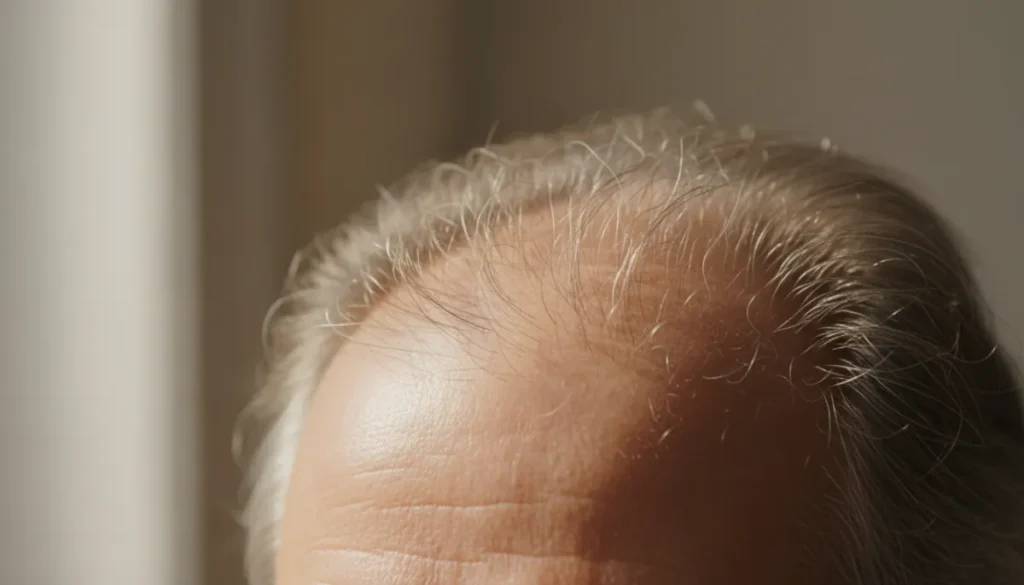
The crown region is particularly vulnerable to several forms of alopecia and other hair‑loss mechanisms. Understanding these causes helps pinpoint the most appropriate treatment.
Androgenetic Alopecia (commonly known as male or female pattern baldness) is driven by dihydrotestosterone (DHT) binding to hair follicles, shortening the growth phase and causing miniaturization, especially at the crown. This hereditary condition accounts for the majority of permanent crown hair fall cases.
Other notable contributors include:
- Telogen Effluvium – a temporary shedding phase triggered by stress, illness, or drastic weight loss.
- Traction Alopecia – chronic tension from tight hairstyles that pull on the crown area.
- Scalp Inflammation – conditions such as psoriasis or seborrheic dermatitis that weaken follicles.
- Nutritional Deficiencies – lack of iron, zinc, or biotin can accelerate thinning.
- Hormonal Changes – menopause, thyroid disorders, and hormonal birth control can influence hair cycles.
Identifying the exact cause often requires a thorough medical history and, in some cases, a scalp biopsy. Once the root factor is established, targeted therapies become far more effective.
Diagnosing Crown Hair Fall: When to See a Specialist
Early diagnosis is key to halting progression. If you notice persistent thinning at the crown for more than three months, or if hair loss accelerates rapidly, it’s advisable to consult a hair‑loss specialist.
During the appointment, the clinician will assess:
- Pattern and extent of hair loss (visual inspection and standardized photography).
- Family history of alopecia or pattern baldness.
- Medical conditions, medications, and recent life events.
- Blood work to check hormone levels, iron, thyroid function, and vitamin status.
Diagnostic tools may include:
| Tool | Purpose | Typical Findings for Crown Hair Fall |
|---|---|---|
| Trichoscopy | Non‑invasive magnified scalp imaging | Miniaturized follicles, perifollicular inflammation |
| Scalp Biopsy | Histological analysis of follicle health | Evidence of androgenetic alopecia vs. scarring alopecia |
| Blood Tests | Detect systemic contributors | Low ferritin, abnormal thyroid hormones, elevated DHT |
These assessments differentiate between reversible shedding and permanent follicular loss, guiding the choice between medical therapy, surgical restoration, or combined approaches.
Effective Treatment Options for Crown Hair Fall
Once a diagnosis is confirmed, a variety of evidence‑based treatments can address crown hair fall. The optimal plan often combines medical, procedural, and lifestyle components.
Medical Therapies
Finasteride (5 mg daily) inhibits the conversion of testosterone to DHT, slowing follicle miniaturization. Minoxidil 5% topical solution stimulates blood flow and prolongs the growth phase, useful for both men and women.
For patients with inflammatory scalp conditions, topical corticosteroids or calcineurin inhibitors can reduce irritation and support regrowth.
Surgical Interventions
Follicular Unit Extraction (FUE) is the preferred method for crown restoration at Gold City Medical Center. Individual follicles are harvested from a donor area (typically the occipital scalp) and implanted directly into the thinning crown, achieving natural density.
For extensive loss, Scalp Micropigmentation offers a non‑surgical illusion of fuller hair by depositing pigment dots that mimic follicle appearance.
Regenerative Options
Platelet‑Rich Plasma (PRP) therapy delivers growth factors directly to the scalp, enhancing follicular activity. Emerging stem‑cell‑derived exosome treatments show promise in stimulating dormant follicles, though they remain adjuncts to established therapies.
Combination protocols—such as finasteride plus minoxidil with periodic PRP sessions—often yield the most robust results, especially for progressive crown hair fall.
Lifestyle Changes and Home Care to Reduce Crown Hair Fall
While medical interventions are powerful, everyday habits significantly influence hair health. Simple adjustments can complement clinical treatments and help maintain results.
- Nutrition: Prioritize iron‑rich foods (spinach, lentils), omega‑3 fatty acids (salmon, flaxseed), and biotin‑rich eggs to strengthen follicles.
- Stress Management: Chronic stress elevates cortisol, which can trigger telogen effluvium. Practices such as mindfulness, yoga, or regular exercise reduce hormonal spikes.
- Scalp Hygiene: Use gentle, sulfate‑free shampoos and avoid excessive heat styling. Regular scalp massages increase microcirculation.
- Avoid Tight Hairstyles: Reduce traction on the crown by opting for loose braids or ponytails.
- Limit Chemical Treatments: Harsh dyes or relaxers can exacerbate follicular damage, especially on already thinning areas.
Consistent adherence to these habits supports the underlying health of the hair follicle, making medical or surgical outcomes more durable.
Future Trends in Crown Hair Restoration
Research continues to push the boundaries of what’s possible for crown hair fall. Emerging technologies include:
- RNA‑Based Therapies targeting specific genes that regulate follicle cycling.
- 3D‑Printed Scalp Scaffolds that provide a supportive matrix for new hair growth.
- Artificial Intelligence Diagnostics that analyze trichoscopic images to predict treatment response.
While many of these innovations are still in clinical trials, Gold City Medical Center stays at the forefront by participating in research collaborations, ensuring patients have access to cutting‑edge options as they become available.
Why Choose Gold City Medical Center for Crown Hair Fall Solutions
Gold City Medical Center combines integrative medicine with state‑of‑the‑art hair restoration techniques. Our multidisciplinary team evaluates each case of crown hair fall with a personalized approach, blending proven medical therapies, advanced FUE transplantation, and supportive lifestyle counseling. With a focus on safety, efficacy, and patient comfort, we deliver results that restore not only hair but confidence.
Ready to reclaim a fuller crown? Contact Gold City Medical Center today to schedule a comprehensive consultation and discover the tailored solution that’s right for you.
FAQ
What are the main causes of crown hair fall?
Crown hair fall is mainly caused by androgenetic alopecia, telogen effluvium, traction alopecia, scalp inflammation, nutritional deficiencies, and hormonal changes.
How can I diagnose crown hair loss at home?
Look for persistent thinning at the crown for more than three months and check for patterns typical of androgenetic alopecia or sudden shedding.
When should I see a specialist for crown hair fall?
Consult a dermatologist or hair‑loss specialist if thinning persists beyond three months, accelerates quickly, or is accompanied by scalp irritation.
What medical treatments are effective for crown hair loss?
Finasteride, minoxidil, topical corticosteroids, and PRP therapy are among the most evidence‑based medical options.
What are the surgical options for restoring crown hair?
Follicular Unit Extraction (FUE) and Scalp Micropigmentation are the primary surgical and non‑surgical solutions.
How do lifestyle changes help prevent crown hair fall?
Balanced nutrition, stress management, gentle scalp care, and avoiding tight hairstyles reduce factors that accelerate hair loss.





