Many people wonder if they can cure a receding hairline and regain a fuller, more confident appearance. A receding hairline is one of the earliest signs of pattern hair loss, and it can affect both men and women. Understanding the underlying causes, exploring the range of treatment options, and knowing when professional help is needed are essential steps toward a lasting solution.
In this article we will examine why hairlines recede, review non‑surgical and surgical interventions, discuss lifestyle factors that support hair growth, and explain what you can expect when you choose Gold City Medical Center for your hair restoration journey. Whether you are looking for topical solutions, prescription medications, or the latest hair transplant techniques, the information below will help you make an informed decision.
According to recent dermatology studies, up to 40 % of men begin to notice a receding hairline by the age of 35, while women often experience thinning along the frontal scalp in their 40s. Early intervention can slow progression and improve the chances of a successful restoration.
Understanding Receding Hairlines: Causes and Diagnosis
A receding hairline is typically the result of a combination of genetic, hormonal, and environmental factors. The most common cause is androgenetic alopecia, which is driven by the hormone dihydrotestosterone (DHT) shrinking hair follicles over time. Other contributors include stress, nutritional deficiencies, certain medications, and scalp conditions such as seborrheic dermatitis.
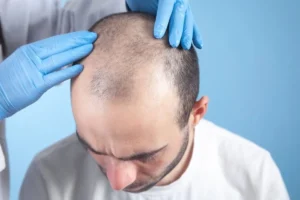
Accurate diagnosis is the first step toward a targeted treatment plan. Dermatologists use a visual examination, trichoscopy (a magnified scalp analysis), and sometimes blood tests to rule out underlying medical conditions. Understanding the pattern of hair loss—whether it follows the classic “M” shape in men or a diffuse thinning in women—helps determine the most effective approach.
- Genetic predisposition (family history of baldness)
- Hormonal influences (elevated DHT levels)
- Stress and lifestyle factors
- Nutrient deficiencies (iron, zinc, vitamin D)
- Medical conditions (thyroid disorders, autoimmune diseases)
While many hope to cure a receding hairline through home remedies alone, professional assessment ensures that chosen treatments address the root cause rather than just the symptoms.

Non‑Surgical Options for Hair Restoration
For those seeking to cure a receding hairline without undergoing surgery, several evidence‑based non‑surgical treatments are available. These options can be used alone or in combination to maximize results.
Topical Treatments
Minoxidil is the most widely used over‑the‑counter solution. Applied twice daily, it stimulates hair follicles and can slow or reverse thinning in many users. Newer formulations combine minoxidil with botanical extracts to improve scalp health.
Oral Medications
Finasteride, a prescription pill, works by reducing DHT production. Clinical trials show that consistent use can halt further recession and promote regrowth in the frontal scalp area. Women typically use alternative anti‑androgen therapies, as finasteride is not approved for female use.
Low‑Level Laser Therapy (LLLT)
LLLT devices emit red light wavelengths that enhance cellular metabolism in hair follicles. Handheld combs and helmet‑style units are FDA‑cleared for home use and have demonstrated modest improvements in hair density after several months of regular use.
Platelet‑Rich Plasma (PRP)
PRP therapy involves drawing a small amount of the patient’s blood, concentrating the platelets, and injecting them into the scalp. Growth factors released by platelets can stimulate dormant follicles and improve hair thickness.
| Treatment | Mechanism | Typical Results | Time to See Effect |
|---|---|---|---|
| Minoxidil (topical) | Vasodilation & follicle stimulation | 1–2 cm of regrowth | 3–6 months |
| Finasteride (oral) | DHT inhibition | Stabilization, possible regrowth | 6–12 months |
| LLLT | Cellular energy boost | Increased density | 4–6 months |
| PRP | Growth factor delivery | Thicker strands, modest length | 2–4 months per session |
While none of these methods guarantee a permanent cure, many patients experience significant improvement and can often avoid surgical intervention altogether.
Surgical Solutions: Modern Hair Transplant Techniques
When non‑surgical methods are insufficient, many patients turn to surgical hair restoration to cure a receding hairline definitively. Advances in technology have made hair transplantation more precise, less invasive, and faster to recover.
Follicular Unit Extraction (FUE)
FUE involves harvesting individual follicular units from the donor area (usually the back of the scalp) and implanting them into the thinning front zone. The procedure leaves tiny dot‑like scars that are virtually invisible.
Follicular Unit Transplantation (FUT)
Also known as the strip method, FUT removes a thin strip of scalp from the donor area, which is then dissected into individual grafts. FUT can yield a higher number of grafts in a single session, making it suitable for extensive recession.
Direct Hair Implantation (DHI)
DHI utilizes a specialized implanter pen that allows for precise placement of grafts at the correct angle and depth without creating pre‑made incisions. This technique can improve graft survival rates and produce a more natural hairline.
- FUE: Minimal scarring, quicker recovery, ideal for moderate recession.
- FUT: Higher graft yield, slightly longer healing, best for extensive hair loss.
- DHI: Precise angle control, higher density, premium option.
Choosing the right method depends on the extent of hair loss, donor hair availability, and personal preferences regarding downtime and scarring.
Lifestyle and Nutritional Support for Hair Growth
Even after surgical or medical intervention, supporting hair health through lifestyle choices can enhance results and help cure a receding hairline more sustainably.
Essential Vitamins and Minerals
Hair follicles require a steady supply of nutrients. Deficiencies in iron, zinc, biotin, and vitamin D are linked to increased shedding. A balanced diet rich in lean proteins, leafy greens, nuts, and fatty fish provides the building blocks for robust hair.
Scalp Care Practices
Gentle cleansing, regular massage, and avoiding excessive heat or harsh chemicals protect the scalp environment. Scalp massage stimulates blood flow, delivering oxygen and nutrients to the follicles.
Stress Management
Chronic stress elevates cortisol levels, which can disrupt the hair growth cycle. Incorporating mindfulness, regular exercise, and adequate sleep can mitigate stress‑related hair loss.
- Consume foods high in omega‑3 fatty acids (salmon, walnuts)
- Take a daily multivitamin with biotin and zinc
- Practice scalp massage for 5 minutes each evening
- Limit use of tight hairstyles that pull on the hairline
While lifestyle adjustments alone rarely provide a complete cure, they are critical adjuncts that improve the longevity of any medical or surgical treatment.
When to Seek Professional Help and What to Expect at Gold City Medical Center
Deciding to address a receding hairline is a personal choice, but certain signs indicate that professional evaluation is advisable. Rapid acceleration of hair loss, noticeable bald spots, or lack of improvement after six months of over‑the‑counter treatments should prompt a visit to a qualified specialist.
At Gold City Medical Center we follow a comprehensive, integrative approach:
- Initial Consultation: Detailed medical history, scalp analysis, and discussion of goals.
- Diagnostic Testing: Trichoscopy, blood work, and hormonal assessments to pinpoint underlying causes.
- Personalized Treatment Plan: Recommendation of non‑surgical options, surgical procedures, or a combination tailored to the patient.
- Implementation: In‑clinic administration of PRP, prescription of finasteride or minoxidil, or scheduling of a hair transplant.
- Follow‑Up Care: Ongoing monitoring, scalp care guidance, and adjustments to ensure optimal outcomes.
Our team combines medical expertise with state‑of‑the‑art technology, ensuring that each patient receives safe, effective, and lasting results. Whether you are exploring the possibility to cure a receding hairline through medication, laser therapy, or a modern hair transplant, we provide the full spectrum of care under one roof.
Why Choose Gold City Medical Center
Gold City Medical Center offers an integrative blend of medical expertise and cutting‑edge cosmetic solutions. Our specialists are trained in both dermatology and advanced hair restoration, allowing us to create individualized treatment plans that address the unique causes of each patient’s hair loss. With a commitment to evidence‑based practice, state‑of‑the‑art facilities, and a supportive environment, we help you achieve natural‑looking results while maintaining overall health and well‑being.
Ready to take the first step toward a fuller hairline? Contact Gold City Medical Center today to schedule your personalized consultation and discover the most effective path to restore your confidence.
FAQ
What are the main causes of a receding hairline?
Genetics, hormonal changes (especially DHT), stress, nutritional deficiencies, and certain medical conditions are the primary causes.
How effective is minoxidil for treating a receding hairline?
Minoxidil can slow hair loss and stimulate modest regrowth in many users, especially when used consistently for several months.
Can PRP therapy help regrow hair on a receding hairline?
Yes, PRP can stimulate dormant follicles and improve hair thickness, though results are modest and vary per individual.
What is the difference between FUE and FUT hair transplant methods?
FUE extracts individual follicles with minimal scarring; FUT removes a strip of scalp for higher graft yield but leaves a linear scar.
Are there lifestyle changes that can improve hair growth after treatment?
Yes, proper nutrition, scalp care, stress reduction, and avoiding harsh styling can support and prolong treatment results.
When should I consult a specialist for my receding hairline?
If hair loss accelerates, you notice bald spots, or OTC products fail after six months, seek professional evaluation.