When it comes to dark patches treatment, many people struggle to find a clear path forward because the causes are varied and often misunderstood. Dark patches—whether they appear as liver spots, melasma, or age spots—can affect confidence and skin health. In this article we explore the underlying mechanisms, the most effective professional procedures, and practical home‑care tips that together create a comprehensive approach to restoring an even skin tone.
According to dermatological research, up to 30 % of adults notice some form of hyperpigmentation by the age of 40, making it one of the most common skin concerns worldwide. Understanding why these patches develop and how they can be treated safely is essential for anyone seeking lasting results.
We will cover the science behind pigment disorders, outline the treatment modalities offered at Gold City Medical Center, and provide actionable advice you can start using today. By the end of this guide, you’ll know exactly what steps to take for a brighter, more uniform complexion.
Understanding Dark Patches: Causes and Types
Before selecting a treatment, it is crucial to recognize the specific type of discoloration you are dealing with. While the term “dark patches” is broad, the skin manifestations fall into several distinct categories, each with its own triggers and characteristics.
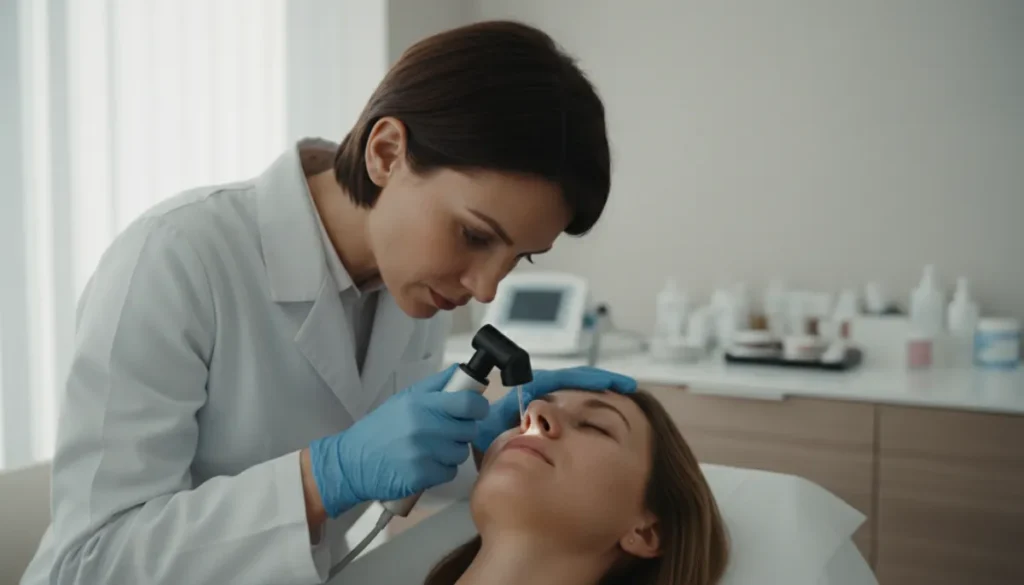
Hyperpigmentation is the umbrella term for any area of skin that becomes darker than the surrounding tissue due to excess melanin production. Common triggers include ultraviolet (UV) exposure, hormonal fluctuations, inflammation, and certain medications.
- UV radiation accelerates melanin synthesis, leading to sun‑induced spots.
- Hormonal changes during pregnancy or with oral contraceptives can cause melasma.
- Post‑inflammatory hyperpigmentation follows acne, eczema, or cosmetic procedures.
Below is a quick comparison of the most frequent types of dark patches:
| Type | Typical Appearance | Common Triggers | Age Group |
|---|---|---|---|
| Sun Spots (Liver Spots) | Flat, brown to black spots | Chronic sun exposure | 30‑60 years |
| Melasma | Irregular, brown patches on cheeks, forehead | Hormonal shifts, sun exposure | 20‑40 years, more common in women |
| Age Spots | Small, darkened areas on hands, arms | Natural aging, cumulative UV damage | 50+ years |
| Post‑Inflammatory Hyperpigmentation | Dark spots after skin injury | Acne, eczema, laser treatment | All ages |
Identifying the exact category helps clinicians recommend the most appropriate dark patches treatment plan, ensuring targeted results and minimizing unnecessary procedures.
Professional Treatment Options at Gold City Medical Center
Gold City Medical Center offers a suite of evidence‑based procedures designed to address every form of hyperpigmentation. Each modality is selected based on the depth of pigment, skin type, and patient preferences.
Laser and Light‑Based Therapies
Laser resurfacing and intense pulsed light (IPL) are among the most effective dark patches treatment techniques for deeper melanin deposits. The devices target pigment particles while sparing surrounding tissue, promoting collagen remodeling and a smoother complexion.
- Q‑Switched Nd:YAG laser – ideal for stubborn melasma and sun spots.
- Fractional CO₂ laser – improves texture and reduces post‑inflammatory discoloration.
- IPL – works well for superficial hyperpigmentation and overall skin rejuvenation.
Chemical Peels
Superficial to medium-depth chemical peels use acids such as glycolic, trichloroacetic (TCA), or salicylic acid to exfoliate the outer skin layers, encouraging the shedding of pigmented cells.
- Glycolic peel – suitable for fine lines and mild discoloration.
- TCA peel – penetrates deeper for stubborn age spots.
- Salicylic peel – beneficial for oily skin with acne‑related pigmentation.
Microneedling with Topical Agents
Microneedling creates micro‑channels that enhance the delivery of depigmenting serums such as hydroquinone, azelaic acid, or vitamin C. The combined approach accelerates pigment clearance while stimulating collagen production.
Prescription Topicals
For patients preferring non‑invasive solutions, our dermatologists may prescribe creams containing:
- Hydroquinone 4 % – gold standard for melasma.
- Retinoids – promote cell turnover and reduce pigment.
- Tranexamic acid – effective for hormonally driven hyperpigmentation.
Below is a concise overview of each professional option, its ideal indication, and typical recovery time:
| Procedure | Best For | Recovery | Number of Sessions |
|---|---|---|---|
| Q‑Switched Nd:YAG Laser | Deep melasma, sun spots | 1‑3 days redness | 3‑6 |
| IPL | Superficial hyperpigmentation | Minimal, slight warmth | 4‑8 |
| Medium‑Depth Chemical Peel | Age spots, post‑inflammatory | 5‑7 days peeling | 2‑4 |
| Microneedling + Serum | Overall tone, fine lines | 2‑4 days redness | 4‑6 |
These professional choices form the backbone of an effective dark patches treatment plan, delivering visible improvement when performed by experienced clinicians.
Home Care and Lifestyle Adjustments
Professional procedures achieve rapid results, but lasting success depends on diligent home care. Simple daily habits can prevent new dark patches from forming and support the healing process after treatment.
Sun Protection Is Non‑Negotiable
UV radiation is the primary driver of hyperpigmentation. Broad‑spectrum sunscreen with at least SPF 30 should be applied every morning, re‑applied every two hours when outdoors, and used even on cloudy days.
Topical Maintenance Regimens
After a clinic visit, continue using gentle depigmenting agents to maintain progress. Consider the following routine:
- Morning: Vitamin C serum → SPF 30 sunscreen.
- Evening: Retinol or azelaic acid (as prescribed) → moisturizer.
Diet and Supplements
Antioxidant‑rich foods can help mitigate oxidative stress that contributes to pigment formation.
- Vitamin C‑rich fruits (oranges, kiwi).
- Vitamin E sources (almonds, sunflower seeds).
- Green tea – contains polyphenols that protect skin cells.
Avoid Irritating Practices
Harsh scrubbing, excessive exfoliation, or using abrasive skin‑care tools can trigger post‑inflammatory hyperpigmentation, especially on darker skin tones.
By integrating these practices, patients reinforce the benefits of their clinical dark patches treatment and reduce the likelihood of recurrence.
Choosing the Right Treatment Plan: What to Expect
Every patient’s journey begins with a thorough consultation at Gold City Medical Center. Our specialists assess skin type, medical history, and personal goals to design a customized roadmap.
Initial Consultation
During the first visit, a dermatologist conducts a visual exam, may use a Wood’s lamp to evaluate pigment depth, and discusses lifestyle factors that influence skin health.
Personalized Treatment Timeline
Based on the assessment, a schedule is created that balances efficacy with downtime. Below is a typical timeline for a combined laser and topical regimen:
| Week | Procedure | Home Care |
|---|---|---|
| 1 | Q‑Switched Nd:YAG Laser | Gentle cleanser, SPF 30 |
| 2‑3 | Topical Hydroquinone 4 % | Moisturizer, avoid harsh exfoliants |
| 4 | IPL Session | Vitamin C serum, SPF 50 |
| 5‑8 | Maintenance Microneedling (optional) | Retinol at night, antioxidant diet |
Aftercare and Follow‑Up
Post‑procedure instructions focus on soothing the skin, preventing infection, and monitoring pigment changes. Follow‑up appointments every 4‑6 weeks allow the clinician to adjust the plan, ensuring optimal outcomes.
Understanding each step empowers patients to stay engaged, ask informed questions, and adhere to the regimen, which is essential for a successful dark patches treatment outcome.
Frequently Overlooked Factors Influencing Success
Even with the best clinical interventions, certain hidden variables can affect the final result of a dark patches treatment plan.
Hormonal Fluctuations
Conditions such as polycystic ovary syndrome (PCOS) or thyroid disorders can exacerbate melasma. Addressing hormonal balance through medical management can enhance pigment‑clearing outcomes.
Medication Interactions
Some drugs, including certain antibiotics, antimalarials, and hormone therapies, increase photosensitivity. Patients should disclose all medications so the clinician can adjust the treatment protocol accordingly.
Genetic Predisposition
Individuals with a family history of hyperpigmentation may experience more persistent spots. In such cases, a longer maintenance phase with gentle topical agents is advisable.
Skin Barrier Health
A compromised barrier can lead to irritation and rebound pigmentation. Incorporating barrier‑supporting ingredients like ceramides and niacinamide into daily routines helps maintain skin resilience.
By acknowledging these factors, patients and clinicians can fine‑tune the approach, reducing setbacks and achieving a smoother, more even complexion.
Why Choose Gold City Medical Center
Gold City Medical Center combines cutting‑edge technology with a holistic, patient‑centered philosophy. Our team of board‑certified dermatologists and aesthetic specialists tailors each dark patches treatment to the unique needs of the individual, ensuring safety, efficacy, and lasting satisfaction. With a reputation for excellence in integrative healthcare, we offer a seamless blend of medical expertise and cosmetic precision.
Ready to reclaim a radiant, even complexion? Contact Gold City Medical Center today to schedule your personalized consultation and start your journey toward flawless skin.
Call us or use our online booking system – your confidence awaits.
FAQ
What causes dark patches on the skin?
Dark patches are caused by excess melanin production triggered by UV exposure, hormonal changes, inflammation, or certain medications.
What are the most effective professional treatments for dark patches?
Laser resurfacing, IPL, chemical peels, microneedling with serums, and prescription topicals are the leading professional options.
How does laser therapy work for hyperpigmentation?
Laser therapy emits focused light that is absorbed by melanin, breaking down pigment particles while leaving surrounding skin intact.
What home‑care steps can prevent new dark patches from forming?
Daily broad‑spectrum sunscreen, gentle depigmenting serums, antioxidant‑rich diet, and avoiding harsh exfoliation are key.
How long does it typically take to see results from dark patches treatment?
Visible improvement often appears after 3‑6 sessions, roughly 2‑4 months, depending on the modality and pigment depth.
Are there side effects associated with chemical peels for pigment issues?
Common side effects include temporary redness, peeling, and mild swelling; deeper peels may cause longer downtime and rare pigment changes.





