When it comes to tackling hair loss, dermatologist‑recommended hair growth products are often the first line of defense prescribed by skin and hair specialists. Understanding which formulations are clinically proven, how they work, and what to expect can make the difference between fleeting results and lasting regrowth. In the Netherlands alone, over 30 % of adults report noticeable thinning, highlighting the need for reliable, science‑backed solutions.
This article walks you through the most effective products endorsed by dermatologists, explains the science behind each option, and offers practical guidance for selecting the right regimen for your unique situation. Whether you are dealing with early‑stage thinning or more advanced balding, the right combination of treatments can help you regain confidence and a fuller appearance.
We’ll also explore how these products can be integrated with professional services such as hair transplantation, ensuring a comprehensive approach to hair restoration.
Understanding Hair Loss and the Role of Dermatologists
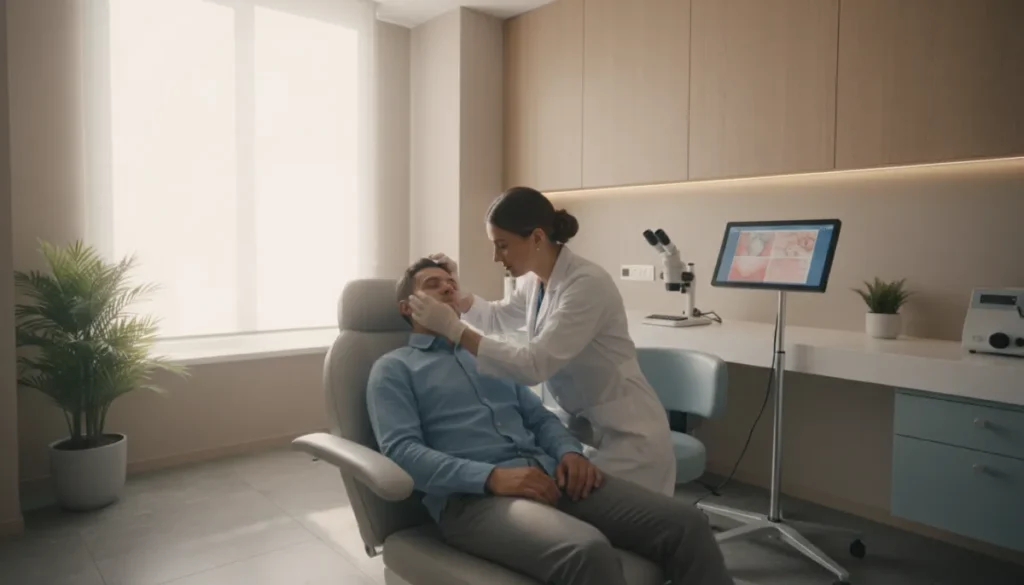
Hair loss, medically known as alopecia, can stem from a variety of factors ranging from genetics to hormonal shifts, nutritional deficiencies, and environmental stressors. Dermatologists play a pivotal role by diagnosing the underlying cause and recommending evidence‑based products that target the specific mechanism of hair thinning.
Common causes include:
- Androgenetic alopecia (pattern baldness)
- Telogen effluvium triggered by stress or illness
- Scalp inflammation such as seborrheic dermatitis
- Nutrient deficiencies (iron, vitamin D, zinc)
Below is a quick comparison of product categories frequently suggested by dermatologists:
| Product Type | Primary Action | Typical Active Ingredients | Best For |
|---|---|---|---|
| Topical Solutions | Stimulate follicles, improve scalp health | Minoxidil, caffeine, peptides | Early‑stage thinning, both genders |
| Oral Medications | Block DHT, support hormonal balance | Finasteride, dutasteride, spironolactone | Male pattern baldness, female hormonal loss |
| Supplements | Supply essential nutrients for hair growth | Biotin, zinc, vitamin B complex, marine collagen | Deficiency‑related shedding, overall health |
| Serums & Shampoos | Improve scalp microcirculation, reduce inflammation | Ketoconazole, saw palmetto, niacin | Scalp conditions, mild thinning |
By pinpointing the cause, a dermatologist can tailor a regimen that may combine several of these categories for synergistic effect.
Top Dermatologist‑Recommended Hair Growth Products for Men
Male pattern baldness is the most prevalent form of hair loss, affecting roughly 1 in 4 men by age 30 and 2 in 3 by age 60. Dermatologists often recommend a tiered approach that combines topical and oral treatments for maximum efficacy.
1. Minoxidil (2 % and 5 % solutions)
Minoxidil is the only over‑the‑counter medication approved by the European Medicines Agency for hair regrowth. It works by widening blood vessels, enhancing nutrient delivery to hair follicles. Consistent twice‑daily application can yield visible thickening within 3–6 months.
2. Finasteride (1 mg oral tablet)
Finasteride inhibits the conversion of testosterone to dihydrotestosterone (DHT), the hormone chiefly responsible for follicle miniaturization. Clinical trials report a 90 % reduction in hair loss progression when taken daily for at least a year.
3. Combination Therapy
Many dermatologists prescribe minoxidil alongside finasteride to address both vascular and hormonal pathways. Adding a biotin‑rich supplement can further support keratin production.
Typical regimen example:
- Morning: 1 ml of 5 % minoxidil applied to the crown
- Evening: 1 ml of 5 % minoxidil applied to the frontal hairline
- Daily: 1 mg finasteride tablet with breakfast
- Optional: Biotin 5 000 µg capsule after lunch
Adherence is crucial; missed applications diminish results. Patients should also schedule regular follow‑ups to monitor scalp health and adjust dosages if needed.
Best Dermatologist‑Recommended Hair Growth Products for Women
Hair thinning in women often presents differently, with diffuse shedding rather than a receding hairline. Hormonal fluctuations, especially during menopause, can exacerbate the condition, prompting dermatologists to favor products that balance hormones while nourishing the scalp.
1. Low‑Dose Oral Minoxidil (0.25 – 1 mg)
While minoxidil is commonly associated with men, low‑dose oral formulations have shown promise for women, offering systemic circulation without the need for daily topical application.
2. Spironalactone (50‑100 mg daily)
Spironolactone acts as an anti‑androgen, reducing DHT impact on female follicles. It is especially effective for women with polycystic ovary syndrome (PCOS)–related hair loss.
3. Nutritional Supplements
Products such as Nutrafol Women, Viviscal, and bespoke marine‑collagen blends supply essential micronutrients. Key ingredients include:
- Biotin
- Vitamin D
- Iron (for iron‑deficiency anemia)
- Marine protein peptides
4. Scalp Serums
Serums containing caffeine, peptides, and botanical extracts (e.g., rosemary, saw palmetto) improve microcirculation and reduce inflammation. They are typically applied once or twice daily after washing.
A balanced routine for women may look like this:
- Morning: Gentle sulfate‑free shampoo, followed by a caffeine‑infused serum
- Midday: Low‑dose oral minoxidil tablet with water
- Evening: Spironalactone tablet (if prescribed) and a multivitamin supplement
Women should discuss potential side effects, such as menstrual irregularities, with their dermatologist before initiating hormonal therapy.
How to Choose the Right Product: Factors to Consider
Selecting the optimal product involves more than just reading a label. Dermatologists evaluate several criteria to ensure safety and effectiveness.
1. Diagnosis Accuracy
A precise diagnosis—whether androgenetic alopecia, telogen effluvium, or scarring alopecia—guides product choice. Misidentifying the cause can lead to ineffective treatment.
2. Treatment Goals
Are you aiming to halt further loss, stimulate new growth, or both? Some products, like minoxidil, excel at stimulating regrowth, while finasteride is superior for preventing future loss.
3. Lifestyle Compatibility
Consider application frequency, potential side effects, and whether the regimen fits your daily routine. Busy professionals may prefer once‑daily oral options over twice‑daily topical applications.
4. Safety Profile
Review contraindications: finasteride is not recommended for women of child‑bearing age, and oral minoxidil may affect blood pressure. Always consult a dermatologist before starting new medication.
5. Cost and Commitment
Long‑term therapy can become costly. Some insurers partially cover prescription medications, while over‑the‑counter serums are out‑of‑pocket expenses.
Below is a quick decision‑making matrix:
| Need | Top Recommendation | Frequency | Typical Cost (€/month) |
|---|---|---|---|
| Stop rapid loss | Finasteride 1 mg | Once daily | 30‑50 |
| Stimulate new growth | Minoxidil 5 % | Twice daily | 25‑40 |
| Address nutritional deficiency | Biotin + zinc supplement | Once daily | 15‑25 |
| Combine hormonal & topical | Spironolactone + serum | Once daily + twice daily | 45‑70 |
By aligning these factors with your personal circumstances, you can select a regimen that maximizes results while minimizing inconvenience.
Combining Products with Professional Treatments
While topical and oral products can deliver significant improvements, many patients achieve optimal density when they combine these solutions with professional procedures offered at Gold City Medical Center.
1. Pre‑Transplant Optimization
Dermatologists often prescribe minoxidil and finasteride for at least three months before a hair transplant. This pre‑conditioning strengthens existing follicles, creating a healthier graft‑receiving environment.
2. Post‑Procedure Maintenance
After graft placement, a gentle serum containing peptides and growth factors supports wound healing and accelerates graft survival. Continued use of finasteride helps protect native hair from future DHT‑induced loss.
3. Integrated Care Plans
Gold City Medical Center offers a personalized care pathway that blends dermatologist‑recommended hair growth products with state‑of‑the‑art FUE (Follicular Unit Extraction) and PRP (Platelet‑Rich Plasma) sessions. Patients receive a comprehensive plan that includes:
- Initial scalp analysis and diagnosis
- Prescription of evidence‑based products
- Scheduled surgical or non‑surgical procedures
- Follow‑up visits to adjust therapy
This holistic approach maximizes the chances of achieving a natural, lasting result.
Why Choose Gold City Medical Center
Gold City Medical Center combines cutting‑edge medical expertise with a patient‑centered philosophy. Our team of board‑certified dermatologists and hair restoration specialists stays up‑to‑date with the latest research on hair growth products, ensuring you receive treatments that are both safe and effective. We offer integrated solutions—from personalized product regimens to advanced hair transplant techniques—all under one roof, providing a seamless experience for anyone seeking to restore their hair confidence.
Ready to start your journey toward thicker, healthier hair? Contact Gold City Medical Center today to schedule a comprehensive scalp assessment and receive a customized plan that includes the most effective dermatologist‑recommended hair growth products for your needs.
FAQ
What are the most effective dermatologist‑recommended hair growth products for men?
The top products for men are topical minoxidil (2 % or 5 %), oral finasteride (1 mg), and combination therapy that adds biotin supplements.
Which hair growth products are recommended for women experiencing thinning hair?
Women are often advised to use low‑dose oral minoxidil, spironolactone, nutritional supplements (biotin, vitamin D, iron), and scalp serums with caffeine or peptides.
How does a dermatologist determine which hair growth product is right for a patient?
They first diagnose the specific type of alopecia, then match products to the underlying cause, treatment goals, lifestyle, safety, and cost.
Can hair growth products be combined with hair transplant procedures?
Yes, using products before and after a transplant can improve scalp health and enhance graft survival.
What are the common side effects of the main dermatologist‑recommended hair growth medications?
Minoxidil may cause scalp irritation; finasteride can lead to sexual side effects; oral minoxidil may affect blood pressure; spironolactone can cause menstrual changes.





