When it comes to dermatologist wrinkles, many patients seek professional guidance to restore youthful skin. Wrinkles are a natural sign of aging, but they can also be influenced by sun exposure, smoking, and repetitive facial expressions. Understanding the underlying causes and the range of medical options available empowers you to make informed decisions.
In this article we will explore how a dermatologist assesses wrinkle concerns, review the most common treatment modalities, discuss suitable skincare products, and provide practical prevention strategies. Whether you are dealing with fine lines on the forehead or deeper creases around the mouth, the insights here will help you navigate the journey toward smoother, healthier skin.
Recent studies indicate that up to 70% of adults notice visible signs of aging by their early thirties, and a growing number turn to qualified specialists for safe and effective solutions. Let’s dive into the science behind wrinkle formation and the role of a dermatologist in managing these changes.
Understanding Wrinkle Formation and the Role of a Dermatologist
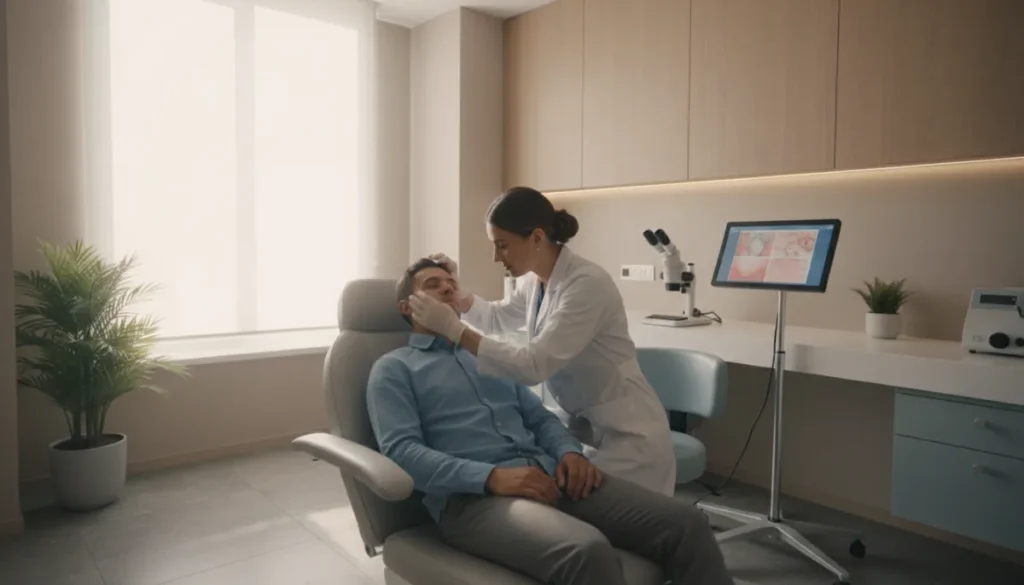
Wrinkles develop when collagen and elastin fibers in the dermis lose their strength and flexibility. This degradation is accelerated by ultraviolet (UV) radiation, environmental pollutants, and the natural decline of fibroblast activity. A dermatologist evaluates these factors during a comprehensive skin examination, often using tools such as dermoscopy or high‑resolution photography to map wrinkle depth and distribution.
Key aspects of a dermatologist’s assessment include:
- Identifying the type of wrinkles: fine lines, static creases, or dynamic folds.
- Evaluating skin type and tone to determine suitability for specific treatments.
- Discussing medical history, including allergies and previous cosmetic procedures.
By understanding the specific characteristics of your skin, a dermatologist can tailor a treatment plan that targets the root causes of dermatologist wrinkles rather than merely providing temporary cosmetic fixes.
Common Dermatological Treatments for Wrinkles
When addressing dermatologist wrinkles, several evidence‑based procedures are available, each with distinct mechanisms and outcomes. Below is a concise overview of the most frequently recommended options.
| Treatment | How It Works | Typical Results | Downtime |
|---|---|---|---|
| Botox (Botulinum Toxin) | Temporarily relaxes facial muscles, reducing dynamic lines. | Smooths forehead and crow’s‑feet within 3–5 days. | Minimal; possible mild bruising. |
| Dermal Fillers (e.g., hyaluronic acid) | Adds volume to deep folds, restoring lost tissue. | Immediate lift; lasts 6–18 months. | Usually 1–2 days of mild swelling. |
| Laser Resurfacing | Stimulates collagen remodeling by ablating superficial skin layers. | Improves texture and fine lines over several weeks. | 3–7 days of redness, peeling. |
| Chemical Peels | Uses acids to remove damaged skin cells, promoting renewal. | Reduces surface wrinkles and hyperpigmentation. | 1–3 days of flaking. |
| Microneedling with Radiofrequency | Creates micro‑injuries that trigger collagen production. | Gradual tightening, suitable for all skin types. | 1–2 days of mild redness. |
Choosing the right approach depends on wrinkle depth, skin condition, and personal preferences. For example, patients with prominent forehead lines often benefit from a combination of Botox and laser resurfacing, while those seeking volume restoration may prefer dermal fillers.
Many dermatologists also incorporate adjunct therapies such as platelet‑rich plasma (PRP) or growth‑factor serums to enhance healing and boost anti‑aging effects.
Choosing the Right Anti‑Aging Skincare Products
Topical products remain a cornerstone of daily wrinkle prevention and maintenance. Dermatologists often recommend formulations that contain proven active ingredients, such as retinoids, peptides, and antioxidants. Below is a quick guide to selecting the most effective options.
- Retinoids (e.g., tretinoin, retinol) – Boost collagen synthesis and accelerate cell turnover, ideal for fine lines and overall texture improvement.
- Peptide complexes – Support skin firmness by signaling fibroblasts to produce new collagen.
- Vitamin C serums – Provide antioxidant protection and aid in brightening uneven skin tone.
- Niacinamide – Reduces inflammation and improves barrier function, helping to smooth out minor creases.
- Hyaluronic acid – Offers intense hydration, plumping the skin to lessen the appearance of shallow wrinkles.
When selecting a cream for deep wrinkles, look for products that combine multiple actives, such as a retinoid‑peptide blend, and ensure they are formulated for your specific skin type. Consistency is key; most dermatologists advise applying these products twice daily for at least 8–12 weeks before expecting noticeable results.
Remember that over‑use of strong actives can cause irritation, especially for sensitive skin. A dermatologist can help you build a personalized regimen that balances efficacy with safety, minimizing the risk of adverse reactions while tackling dermatologist wrinkles.
Preventive Strategies and Lifestyle Tips for Maintaining Smooth Skin
While medical interventions can dramatically improve existing wrinkles, preventive measures are essential to slow new line formation. Incorporating the following habits into your daily routine can complement dermatologist‑guided treatments and support long‑term skin health.
- Sun protection – Apply a broad‑spectrum SPF 30 or higher every morning, even on cloudy days.
- Healthy diet – Prioritize foods rich in antioxidants (berries, leafy greens) and omega‑3 fatty acids.
- Hydration – Drink at least 2 liters of water daily to maintain skin elasticity.
- Gentle cleansing – Use a mild, pH‑balanced cleanser to avoid stripping natural oils.
- Adequate sleep – Aim for 7–9 hours to allow skin regeneration during the night.
- Stress management – Practice mindfulness or yoga to reduce cortisol‑induced collagen breakdown.
Regular exercise improves circulation, delivering oxygen and nutrients to skin cells, while limiting tobacco use prevents premature degradation of collagen fibers. By adopting these lifestyle choices, you can enhance the effectiveness of any dermatologist‑administered wrinkle treatment and preserve a youthful complexion.
Managing Expectations and Recovery After Treatments
Understanding what to expect after a procedure is crucial for patient satisfaction. While many dermatological treatments for dermatologist wrinkles offer rapid results, each modality has a distinct recovery timeline and potential side effects.
Typical post‑treatment considerations include:
- Botox – Mild swelling may appear within hours; results become visible after 3–5 days and last up to four months.
- Fillers – Slight bruising is common; the final effect is usually apparent after one week.
- Laser resurfacing – Redness and peeling can last up to a week; sun avoidance is essential during healing.
- Chemical peels – Expect flaking for 2–3 days; moisturization helps reduce discomfort.
Following after‑care instructions—such as avoiding excessive heat, refraining from vigorous facial movements, and using recommended soothing creams—optimizes outcomes and minimizes complications. Your dermatologist will provide a personalized after‑care plan, ensuring you achieve the best possible results while maintaining safety.
By setting realistic goals and adhering to post‑procedure guidance, you can enjoy smoother skin with confidence and reduce the likelihood of needing repeat interventions prematurely.
Why Choose Gold City Medical Center
Gold City Medical Center combines cutting‑edge technology with a personalized, integrative approach to aesthetic medicine. Our board‑certified dermatologists specialize in advanced wrinkle treatments, from precision injectables to laser resurfacing, ensuring each patient receives a tailored plan that aligns with their skin goals. With a focus on safety, efficacy, and lasting results, we provide a supportive environment where you can confidently pursue smoother, more radiant skin.
Ready to rejuvenate your appearance? Contact Gold City Medical Center today to schedule a personalized consultation and discover the most effective treatments for your unique skin concerns.
Take the first step toward a smoother, younger‑looking you—call now or fill out our online request form.
FAQ
What is the difference between Botox and dermal fillers for wrinkles?
Botox relaxes muscles to smooth dynamic lines, while dermal fillers add volume to fill static folds.
How does laser resurfacing improve skin texture and wrinkles?
Laser resurfacing removes superficial skin layers, stimulating new collagen growth for smoother texture.
Which skincare ingredients are most effective for daily wrinkle prevention?
Retinoids, peptides, vitamin C, niacinamide, and hyaluronic acid are key anti‑aging actives.
What lifestyle habits help maintain smooth skin after wrinkle treatments?
Sun protection, balanced diet, hydration, adequate sleep, and stress management are essential.
What should I expect during the recovery period after a chemical peel?
Expect mild flaking for 1‑3 days, with possible redness; moisturize to ease discomfort.
How can I combine treatments for optimal wrinkle reduction?
Combining Botox with fillers or laser resurfacing can address both dynamic lines and volume loss.





