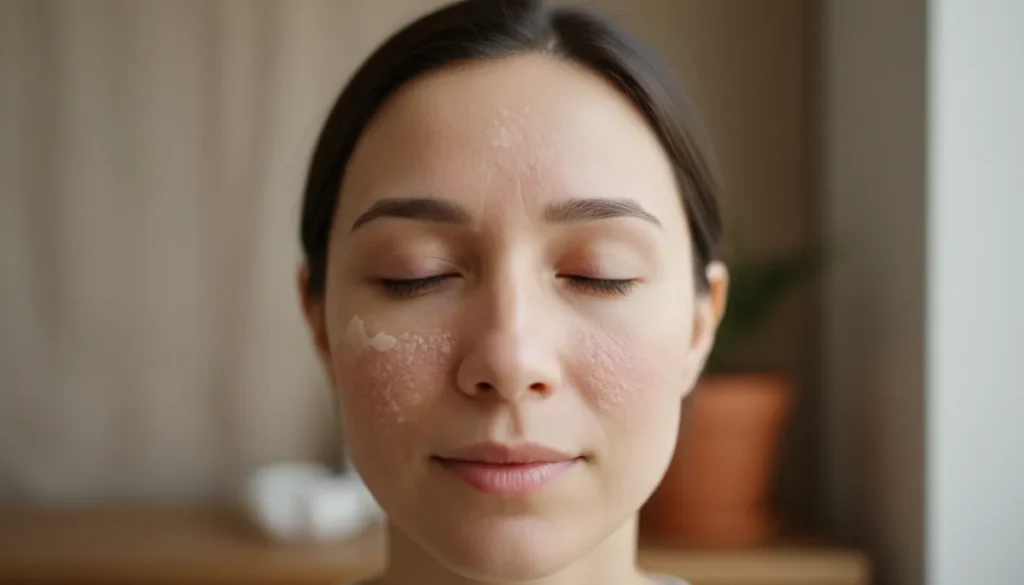
Dry patches on face are a common dermatological concern that can affect anyone, from teenagers dealing with acne‑related irritation to adults experiencing age‑related skin changes. Understanding the underlying causes, recognizing early signs, and applying the right treatment plan can restore comfort and confidence. In fact, studies show that up to 30 % of adults report intermittent dry, flaky areas on their facial skin, often linked to environmental stressors or underlying skin conditions.
This article will walk you through the most frequent reasons for dry patches on face, how to differentiate between harmless xerosis and more serious dermatitis, and the range of both home‑based and professional solutions available. Whether you are looking for simple moisturising tips or need to know when a dermatologist’s intervention is required, the information below will guide you toward healthier skin.
By the end of the guide, you will have a clear action plan: practical daily habits, effective products, and an understanding of medical options that can be tailored to your unique skin profile.
Common Causes of Dry Patches on Face
Several factors can trigger the development of dry patches on face, and often more than one cause is at play. Recognising the specific trigger helps in selecting the most appropriate treatment.
Seborrheic dermatitis is a frequent culprit, especially in areas rich in oil glands such as the nose, eyebrows, and scalp. This condition manifests as flaky, yellow‑white scales that may be itchy or inflamed. Contact dermatitis, whether allergic or irritant, occurs when the skin reacts to substances like fragrances, preservatives, or harsh cleaning agents, leading to red, dry patches that can spread.
Other common contributors include:
- **Xerosis** – the medical term for generalized dry skin, often worsened by low humidity or hot showers.
- **Eczema (atopic dermatitis)** – a chronic inflammatory condition that can produce dry, scaly lesions on the face.
- **Environmental factors** – wind, cold weather, and indoor heating strip moisture from the skin.
- **Hormonal changes** – fluctuations during pregnancy, menopause, or thyroid disorders may affect skin barrier function.
- **Improper skin care** – over‑exfoliation, use of alcohol‑based toners, or aggressive scrubbing can damage the protective lipid layer.
| Cause | Typical Symptoms | Common Triggers |
|---|---|---|
| Seborrheic Dermatitis | Yellowish scales, mild itching | Yeast overgrowth, oily skin, stress |
| Contact Dermatitis | Redness, dry patches, burning sensation | Fragrances, preservatives, metals |
| Xerosis | Fine flakes, tight feeling | Low humidity, hot water, ageing |
| Eczema (Atopic Dermatitis) | Itchy, thickened patches | Genetics, allergens, stress |
How to Diagnose and When to Seek Professional Help
While many dry patches can be managed at home, certain signs indicate that professional evaluation is essential. A dermatologist will perform a thorough skin examination, possibly supplemented by a patch test or skin biopsy, to rule out infections, autoimmune disorders, or malignancies such as actinic keratosis.
Key indicators that you should consult a specialist include:
- Persistent redness or swelling that does not improve within two weeks.
- Crusting, bleeding, or oozing lesions.
- Severe itching, pain, or a burning sensation.
- Rapid spreading of the affected area.
- Any suspicion of skin cancer, especially in sun‑exposed regions.
Early diagnosis not only speeds up recovery but also prevents complications like secondary infections or scarring.
| Symptom | Home Care Recommended? | Doctor Visit Recommended? |
|---|---|---|
| Fine flaking, mild itching | Yes | No |
| Red, inflamed patches, persistent >2 weeks | Limited | Yes |
| Bleeding or oozing | No | Yes |
| Sudden appearance of thick, scaly plaques | No | Yes |
Effective Home Care and Moisturizing Strategies
Restoring the skin’s barrier is the cornerstone of treating dry patches on face. A consistent routine that balances gentle cleansing with rich moisturisation can dramatically improve texture and comfort.
Start with a mild, sulfate‑free cleanser that respects the skin’s natural pH. Follow with a moisturizer that contains barrier‑supporting ingredients such as ceramides, hyaluronic acid, glycerin, and niacinamide. These components attract water, seal moisture, and reduce inflammation.
When selecting a product, look for labels that mention “fragrance‑free,” “non‑comedogenic,” and “for sensitive skin.” Applying moisturizer while the skin is still damp (within three minutes of washing) maximises absorption.
- **Ceramide‑rich creams** – Help rebuild the lipid layer.
- **Hyaluronic acid serums** – Provide deep hydration without heaviness.
- **Oatmeal‑based lotions** – Soothe itching and reduce redness.
- **Petrolatum or mineral oil ointments** – Create an occlusive barrier for overnight repair.
| Ingredient | Benefit | Best For |
|---|---|---|
| Ceramides | Restores lipid barrier | Severe xerosis, eczema |
| Hyaluronic Acid | Attracts and retains moisture | Normal to oily skin |
| Niacinamide | Reduces inflammation, evens tone | Rosacea‑prone, sensitive skin |
| Colloidal Oatmeal | Calms itching, anti‑irritant | Allergic contact dermatitis |
Medical Treatments and Advanced Options
If home care does not resolve the issue, prescription‑strength interventions may be necessary. Dermatologists can tailor therapy based on the specific diagnosis—whether it’s seborrheic dermatitis, contact dermatitis, or chronic xerosis.
Typical medical options include:
- **Topical corticosteroids** – Reduce inflammation quickly; strength varies from mild (hydrocortisone 1 %) to potent (clobetasol).
- **Antifungal agents** – Ketoconazole or ciclopirox shampoos/creams target yeast overgrowth in seborrheic dermatitis.
- **Calcineurin inhibitors** – Tacrolimus or pimecrolimus creams provide anti‑inflammatory effects without steroid‑related thinning.
- **Barrier repair creams** – Prescription‑grade ceramide formulations for severe xerosis.
- **Phototherapy** – Narrow‑band UVB for resistant eczema or psoriasis‑related facial patches.
Each treatment carries specific usage guidelines, and a dermatologist will consider factors such as skin type, age, and existing medical conditions before prescribing.
| Medication | Indication | Typical Duration |
|---|---|---|
| Hydrocortisone 1 % | Mild inflammatory patches | 2‑4 weeks |
| Ketoconazole 2 % cream | Seborrheic dermatitis | 4‑6 weeks |
| Tacrolimus ointment | Chronic eczema, sensitive areas | Indefinite, as needed |
| UVB phototherapy | Recalcitrant eczema or psoriasis | 12‑24 sessions |
Preventive Lifestyle Tips for Long‑Term Skin Health
Maintaining healthy skin extends beyond topical products. Lifestyle choices play a pivotal role in preventing the recurrence of dry patches on face.
Key preventive measures include:
- **Hydration** – Aim for at least 2 liters of water daily to support cellular moisture.
- **Balanced diet** – Incorporate omega‑3 fatty acids, antioxidants (vitamin C, E), and zinc to bolster skin barrier function.
- **Sun protection** – Daily use of a broad‑spectrum SPF 30+ sunscreen shields against UV‑induced dryness.
- **Humidifier use** – Adding moisture to indoor air during winter mitigates xerosis.
- **Gentle skincare routine** – Avoid over‑exfoliation and select fragrance‑free products.
- **Stress management** – Practices such as yoga or meditation can reduce flare‑ups linked to hormonal stress.
Adopting these habits not only helps keep dry patches at bay but also promotes overall skin vitality, making your complexion smoother and more resilient.
Why Choose Gold City Medical Center
At Gold City Medical Center we combine integrative medicine with cutting‑edge dermatology to deliver personalized solutions for dry patches on face. Our team of board‑certified skin specialists assesses each case holistically, considering lifestyle, medical history, and skin type to design a treatment plan that balances immediate relief with long‑term health. With state‑of‑the‑art facilities and a commitment to patient education, we empower you to achieve smoother, hydrated skin under the guidance of trusted experts.
Ready to restore comfort and confidence to your facial skin? Contact Gold City Medical Center today to schedule a comprehensive skin assessment and receive a tailored care plan.
Take the first step toward healthier skin—call us or book an online appointment now.
FAQ
What causes dry patches on the face?
Dry patches on the face can be triggered by several factors such as seborrheic dermatitis, contact dermatitis, xerosis, eczema, environmental conditions, hormonal changes, and improper skin‑care habits.
How can I tell if my dry facial patches are just xerosis or something more serious?
Xerosis usually presents as fine flakes and a tight feeling, while more serious conditions like eczema or dermatitis cause redness, itching, and sometimes oozing or crusting.
When should I see a dermatologist for dry patches on my face?
Seek a dermatologist if patches persist longer than two weeks, become red or swollen, ooze, bleed, cause severe itching or pain, or if you suspect skin cancer.
What are the best home care steps to treat dry patches on the face?
Use a gentle sulfate‑free cleanser, apply a ceramide‑rich moisturizer while the skin is still damp, and choose products that are fragrance‑free, non‑comedogenic, and contain barrier‑supporting ingredients.
Which ingredients should I look for in moisturizers for facial dry patches?
Key ingredients include ceramides, hyaluronic acid, glycerin, niacinamide, and colloidal oatmeal, all of which help restore the barrier and retain moisture.
What medical treatments are available for persistent dry patches on the face?
Prescription options include topical corticosteroids, antifungal agents, calcineurin inhibitors, barrier‑repair creams, and in some cases phototherapy.





