Recognizing the signs of balding at 20 can feel unsettling, but early awareness is the first step toward effective management. Many young adults notice subtle changes—such as a thinning crown or a receding hairline—before any obvious bald patches appear. Understanding these cues helps you decide when to seek professional advice, potentially preserving hair density for years to come. In fact, studies show that up to 30 % of men experience noticeable hair loss by their early twenties, highlighting the importance of early detection.
This article explores the most common early indicators, the underlying causes, and practical steps you can take. We will also discuss lifestyle factors that may accelerate hair thinning and outline the diagnostic tools used by specialists. Whether you are dealing with androgenetic alopecia, alopecia areata, or general hair thinning, the information here will empower you to make informed decisions about your scalp health.
By the end of this guide, you will be able to differentiate normal shedding from early balding, understand when medical intervention is advisable, and learn about the treatment options available at Gold City Medical Center.
Understanding Hair Loss in Your Early Twenties
Hair loss in the early twenties often stems from a combination of genetics, hormones, and environmental influences. While it is normal to lose 50–100 hairs daily as part of the natural growth cycle, a noticeable reduction in overall density may signal the onset of balding. The most prevalent form is androgenetic alopecia, commonly known as male or female pattern baldness, which is driven by the hormone dihydrotestosterone (DHT) interacting with genetically susceptible hair follicles.
Key indicators to watch for include:
- Gradual thinning along the front hairline, often forming an “M” shape in men.
- Increased visibility of the scalp at the crown or vertex.
- Fine, short hairs (vellus hairs) replacing thicker terminal hairs.
- Persistent shedding beyond normal daily loss, especially after stress or illness.
Other conditions such as alopecia areata—an autoimmune disorder causing patchy hair loss—can also emerge in this age group. Unlike pattern baldness, alopecia areata may present as sudden, round bald spots that can affect any part of the scalp.
Recognizing these patterns early allows dermatologists to tailor treatment plans that address the specific type of hair loss you are experiencing. Regular scalp examinations and photographic documentation can track progress and guide therapeutic decisions.
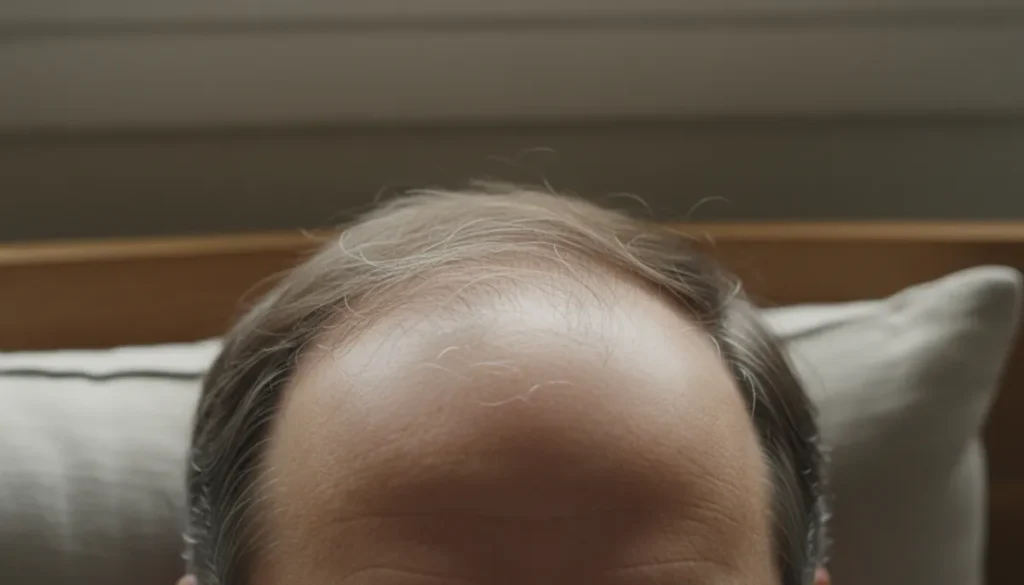
Recognizing Specific Patterns: Receding Hairline and Thinning Crown
The two most common visual cues of early balding are a receding hairline and a thinning crown. Each pattern follows a distinct progression, and understanding the nuances can help you pinpoint the stage of hair loss.
Receding Hairline
A receding hairline typically begins at the temples, creating a subtle “M” shape. Over time, the frontal hairline may retreat further, exposing the forehead. This pattern is especially prevalent in men with a family history of male pattern baldness, though women can also experience frontal thinning.
Thinning Crown (Vertex)
The crown, or vertex, often becomes the first area where hair density diminishes. You may notice a widening area of scalp visibility, especially when the hair is pulled back. In many cases, thinning at the crown precedes frontal recession, and the two can occur simultaneously.
Below is a comparison of typical progression timelines for men and women:
| Pattern | Typical Onset (Age) | Progression Speed | Common Associated Factors |
|---|---|---|---|
| Receding Hairline (Men) | 18–24 | Moderate to fast | Family history, high DHT levels |
| Thinning Crown (Men) | 20–26 | Slow to moderate | Stress, nutritional deficiencies |
| Frontal Thinning (Women) | 22–30 | Slow | Hormonal changes, iron deficiency |
| Diffuse Thinning (Women) | 20–35 | Variable | Autoimmune conditions, thyroid disorders |
Monitoring these patterns through regular self‑examinations or professional scalp photography can provide valuable insight into the rate of progression and the effectiveness of any interventions you begin.
Lifestyle and Health Factors That Accelerate Balding
Beyond genetics, several lifestyle and health elements can hasten the appearance of balding in your twenties. While you cannot change your DNA, modifying these external factors may slow down hair loss and improve overall scalp health.
Key Accelerators
- Stress: Chronic stress elevates cortisol, which can disrupt the hair growth cycle, leading to increased shedding.
- Nutrition: Deficiencies in iron, zinc, vitamin D, and protein can weaken hair follicles.
- Hormonal Imbalance: Conditions such as polycystic ovary syndrome (PCOS) in women or thyroid disorders can trigger premature thinning.
- Hair Care Practices: Excessive heat styling, tight hairstyles (traction alopecia), and harsh chemical treatments damage hair shafts.
- Smoking and Alcohol: Both reduce blood flow to the scalp, depriving follicles of essential nutrients.
The table below illustrates the relative impact of these factors on early balding:
| Factor | Impact Level | Recommended Mitigation |
|---|---|---|
| Chronic Stress | High | Mindfulness, regular exercise, adequate sleep |
| Iron Deficiency | Medium | Iron‑rich diet, supplementation after testing |
| Traction Alopecia | Medium | Looser hairstyles, avoid tight ponytails |
| Smoking | High | Quit smoking, improve cardiovascular health |
Addressing these variables early can create a healthier environment for hair follicles, potentially reducing the speed at which the signs of balding become apparent.
When to Seek Professional Evaluation
If you notice any of the early signs described above, it is advisable to consult a specialist before the condition progresses. Dermatologists and hair restoration experts use a range of diagnostic tools to determine the cause and severity of hair loss.
Diagnostic Tools and Tests
- Scalp Examination: Visual inspection and trichoscopy to assess follicle health.
- Blood Tests: Evaluate hormone levels, iron, thyroid function, and autoimmune markers.
- Hair Pull Test: Determines the number of hairs that easily detach, indicating active shedding.
- Photographic Documentation: Baseline images for monitoring changes over time.
Early professional assessment enables personalized treatment plans, ranging from topical medications to advanced hair transplant procedures. It also helps rule out underlying medical conditions that may require specific treatment, such as alopecia areata or thyroid disease.
Treatment Options for Early Balding
When balding signs appear at 20, a range of interventions can be considered. The choice depends on the diagnosis, severity, and personal preferences.
Medical Treatments
- Minoxidil (Topical): Over‑the‑counter solution that stimulates follicular growth and slows shedding.
- Finasteride (Oral): Prescription medication that reduces DHT levels, effective for male pattern baldness.
- Low-Level Laser Therapy (LLLT): Non‑invasive light devices that promote cellular activity in hair follicles.
- Platelet‑Rich Plasma (PRP): Autologous injections that deliver growth factors to stimulate regeneration.
Hair Transplant Services
For those seeking a more permanent solution, hair transplantation offers a surgical method to relocate healthy follicles from donor areas (typically the back of the scalp) to thinning zones. Techniques such as Follicular Unit Extraction (FUE) provide natural‑looking results with minimal scarring.
Gold City Medical Center specializes in integrative hair restoration, combining medical therapies with cutting‑edge transplant procedures to achieve optimal outcomes. Their multidisciplinary approach ensures that each patient receives a customized plan that addresses both the aesthetic and underlying health aspects of hair loss.
Why Choose Gold City Medical Center
Gold City Medical Center delivers comprehensive, integrative care for hair health, blending medical expertise with advanced cosmetic solutions. Our team of board‑certified dermatologists, trichologists, and hair‑transplant surgeons collaborates to create personalized treatment pathways. With state‑of‑the‑art facilities and a commitment to evidence‑based practices, we ensure safe, effective outcomes for young adults confronting early signs of balding.
Ready to take control of your hair future? Contact Gold City Medical Center today to schedule a confidential scalp assessment and discover the most suitable options for you.
Our specialists are here to guide you toward lasting confidence and healthier hair.
FAQ
What are the early signs of balding at age 20?
Early signs include a receding hairline, thinning crown, increased scalp visibility, and fine vellus hairs replacing thicker strands.
How can I differentiate normal hair shedding from early balding?
Normal shedding is uniform and temporary, while early balding shows persistent thinning in specific areas like the hairline or crown.
Which lifestyle factors can accelerate hair loss in my twenties?
Stress, poor nutrition, hormonal imbalances, harsh hair care, smoking, and excessive alcohol can speed up balding.
When should I see a dermatologist for hair loss?
Consult a dermatologist if you notice persistent thinning, a receding hairline, or sudden patchy loss lasting more than a few weeks.
What treatment options are available for early balding?
Options include topical minoxidil, oral finasteride, low‑level laser therapy, PRP injections, and hair transplant surgery.
How effective are minoxidil and finasteride for young adults?
Both are clinically proven to slow hair loss and promote regrowth in many young adults, especially when started early.





