Identifying the early symptoms of hair loss can make a decisive difference in preserving your natural hair density. Many people notice subtle changes—such as a slight increase in shedding or a thinning crown—before a more pronounced bald spot develops. Understanding these first signs helps you act quickly, whether through lifestyle adjustments, medical evaluation, or targeted treatments. In fact, research shows that up to 30 % of individuals experience noticeable thinning before the age of 30, highlighting the importance of early awareness.
This article explores the most common indicators, the underlying causes, and practical steps you can take to intervene before hair loss progresses. By the end, you’ll be equipped with the knowledge to differentiate normal shedding from concerning patterns, and you’ll know when professional help is warranted.
Whether you’re dealing with male pattern baldness, female thinning, or an alopecia condition, recognizing the early warning signs is the first step toward effective management. Let’s dive into the details that every person concerned about their hair health should know.
Understanding the First Signs of Hair Thinning
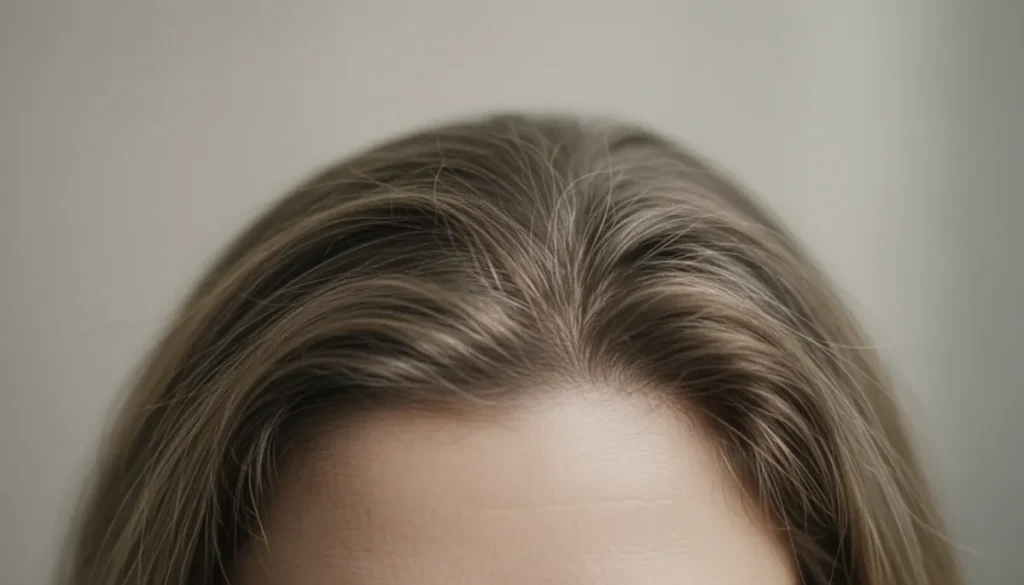
The initial manifestations of hair loss often appear as subtle changes that can be easily overlooked. Below are the most frequent early symptoms:
- Increased daily shedding—more than 100 hairs on a pillow or in the shower.
- Visible thinning at the hairline, especially around the temples.
- Reduced hair volume on the crown or the top of the head.
- Fine, short hairs that seem “broken” or appear as if they never grew fully.
These signs may be transient, but persistent observation is key. A simple method to monitor shedding is the “hair count test”: run your fingers through your hair after washing and count the strands that come away. If the number consistently exceeds normal limits, it may indicate the onset of hair loss.
It’s also helpful to compare photographs taken several weeks apart. Even a slight change in density can become evident when the images are placed side by side. Early detection empowers you to explore preventive measures before extensive follicular damage occurs.
Common Triggers and Underlying Conditions
Hair loss rarely occurs in isolation; several internal and external factors can accelerate the process. Understanding these triggers helps you address the root cause rather than merely treating the symptom.
| Trigger | How It Contributes to Hair Loss |
|---|---|
| Hormonal changes (e.g., thyroid, androgenetic alopecia) | Disrupt the hair growth cycle, shortening the anagen (growth) phase. |
| Stress and anxiety | Can induce telogen effluvium, pushing follicles into a resting phase. |
| Nutrition deficiencies (iron, vitamin D, zinc) | Limit essential nutrients needed for robust hair follicle function. |
| Medications (e.g., anticoagulants, retinoids) | Side effects may include increased shedding or follicular miniaturization. |
| Hair styling practices (tight braids, traction alopecia) | Mechanical stress can damage follicles and lead to localized loss. |
Conditions such as alopecia areata present as sudden, patchy hair loss, while androgenetic alopecia (often called male or female pattern baldness) follows a predictable pattern. Recognizing the specific condition guides appropriate treatment choices, whether topical, oral, or procedural.
How to Differentiate Normal Shedding from Early Hair Loss
Distinguishing normal hair turnover from the early signs of hair loss is essential for timely intervention. While it’s normal to lose 50‑100 hairs per day, certain patterns suggest a deeper issue.
Key Differences
- Quantity: Losing more than 100 hairs daily, especially after a single wash, is a red flag.
- Location: Concentrated thinning on the crown or temples is characteristic of pattern baldness, whereas uniform shedding across the scalp is typical.
- Hair texture: Miniaturized hairs become finer and shorter, often described as “pearl‑like” in texture.
Another practical tool is the “pull test.” Gently tug a small section of hair; if more than 10 % of strands come out, it indicates an abnormal shedding rate. Consulting a dermatologist or a trichologist can provide a definitive diagnosis through scalp examination and, if needed, a trichoscopic analysis.
Effective Early Interventions and Treatments
When the early symptoms of hair loss are identified, several evidence‑based interventions can help halt or reverse the process.
Topical Solutions
- Minoxidil 2‑5 %: Increases blood flow to follicles and prolongs the growth phase.
- Corticosteroid creams: Useful for inflammatory alopecia, such as alopecia areata.
- Natural extracts (e.g., saw palmetto, caffeine): May support scalp health and reduce DHT levels.
Oral Therapies
| Medication | Primary Benefit | Typical Use |
|---|---|---|
| Finasteride | Reduces DHT production | Male pattern baldness |
| Spironolactone | Blocks androgen receptors | Female pattern hair thinning |
| Iron supplements | Corrects deficiency‑related shedding | Iron‑deficiency anemia |
Procedural options, such as low‑level laser therapy (LLLT) and platelet‑rich plasma (PRP) injections, have shown promise in stimulating dormant follicles. For those considering a permanent solution, hair transplantation performed by experienced specialists can restore natural density in areas of advanced loss.
When to Seek Professional Evaluation
While self‑monitoring is valuable, certain scenarios warrant immediate professional attention:
- Rapid loss of more than 50 % of hair within a few weeks.
- Patchy bald spots accompanied by itching or pain.
- Sudden shedding after a stressful event, surgery, or medication change.
- Family history of early-onset alopecia, indicating a genetic predisposition.
A qualified clinician can perform diagnostic tests—such as blood work, hormone panels, and scalp biopsies—to pinpoint the cause. Early therapeutic planning, potentially involving a combination of topical, oral, and procedural treatments, often yields the best outcomes.
Why Choose Gold City Medical Center
At Gold City Medical Center, we combine cutting‑edge medical expertise with a personalized, integrative approach to hair health. Our team of certified dermatologists, trichologists, and hair‑transplant surgeons collaborates to design treatment plans tailored to each individual’s condition and goals. From thorough diagnostic assessments to state‑of‑the‑art procedures like PRP and FUE transplantation, we ensure that every patient receives comprehensive care in a comfortable, modern environment.
Choosing us means benefiting from a trusted institution that values both scientific rigor and aesthetic outcomes, helping you regain confidence and maintain lasting hair vitality.
Ready to address the early symptoms of hair loss before they progress? Contact Gold City Medical Center today to schedule a comprehensive scalp evaluation and discover a personalized treatment plan.
Take the first step toward healthier hair—book your appointment now.
FAQ
What are the early symptoms of hair loss?
Early symptoms include increased daily shedding, thinning at the hairline or crown, reduced hair volume, and fine short hairs that look broken.
How can I tell if my shedding is normal or a sign of hair loss?
Losing up to 100 hairs a day is normal; more than that, especially after a single wash, may signal early hair loss.
Which factors can trigger early hair loss?
Hormonal changes, stress, nutritional deficiencies, certain medications, and harsh styling practices are common triggers.
What treatments are effective for early‑stage hair loss?
Topical minoxidil, oral finasteride or spironolactone, nutrient supplements, PRP, low‑level laser therapy, and lifestyle changes can help.
When should I see a dermatologist for hair loss?
Seek professional help if you lose more than 50 % of hair quickly, develop patchy bald spots, experience itching or pain, or have a strong family history.
How does the hair count test work?
After washing, run your fingers through your hair and count the strands that fall out; consistently over 100 indicates possible early loss.
Can lifestyle changes prevent hair loss?
Yes, managing stress, eating a nutrient‑rich diet, avoiding tight hairstyles, and maintaining scalp health can reduce early hair loss risk.





